

How to Perform a Homemade Enema
The water enema is a natural method, practiced for millennia, particularly in Chinese and Hippocratic medicine. It is recommended in naturopathy and hygienism for its benefits for the body's balance. It is a simple way to clean the lower part of the colon of mucus, dead cells, and accumulations of waste.
Colon enemas are commonly used to improve intestinal well-being in case of:
- constipation
- incomplete elimination
- gas, bloating
- imbalances of the intestinal flora
- sensation of digestive heaviness
Doing an enema at home is very easy. You just need a little time and suitable, clean, and sanitized equipment.
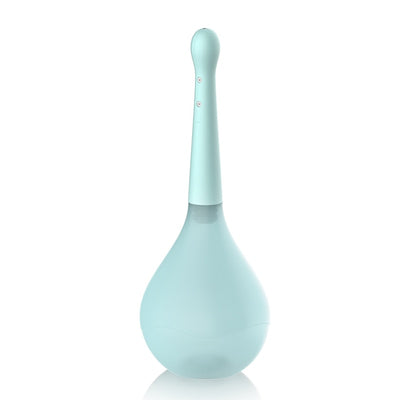
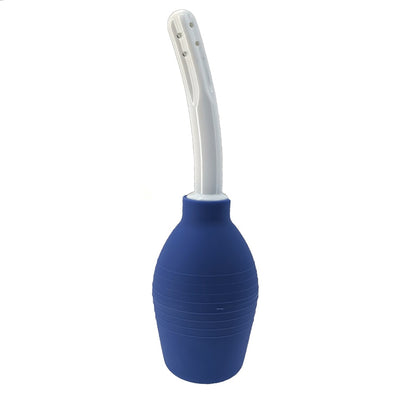
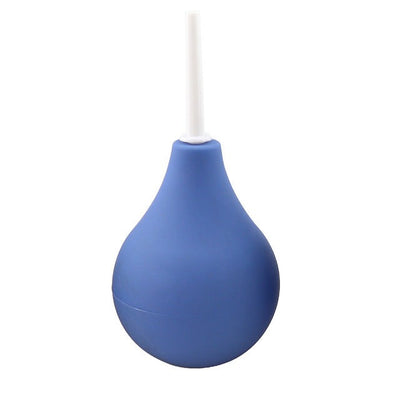
The classic enema uses only water to clean the last section of the intestines. It helps detach waste from the intestinal walls and evacuate it naturally. It is performed using an enema bulb or an enema bag/bucket, depending on the goal.

The two types of at-home enemas
The rectal enema
This evacuant enema involves introducing a small amount of water into the rectum with an enema bulb. The injected water fills the rectal ampulla (the part of the rectum located just before the anus, where fecal matter accumulates), causing it to dilate. This distension triggers a reflex signal in the nervous system, indicating to the body that it is time to defecate.
In other words, this translates into an urge to go to the toilet. This signal allows the internal anal sphincter to release the passage for fecal matter — which is very useful in case of constipation to clear the intestines naturally. The rectal douche is also commonly used in pelvic floor rehabilitation to train the sphincter in contraction and relaxation movements.
The rectal enema specifically targets the cleaning of the rectum for the natural release of stool. The goal is not a complete cleaning of the large intestine, but the rapid elimination of stool. This method is characterized by its simplicity, moderate cost, and speed of execution.

The colon enema
The colon enema is traditionally practiced in case of constipation or bloating, as part of a detox cure, before a fast, or simply as part of a healthy lifestyle.
The method consists of introducing water, preferably spring or filtered water, into the large intestine through the rectum. It is essential that this water is at a temperature close to that of the body.
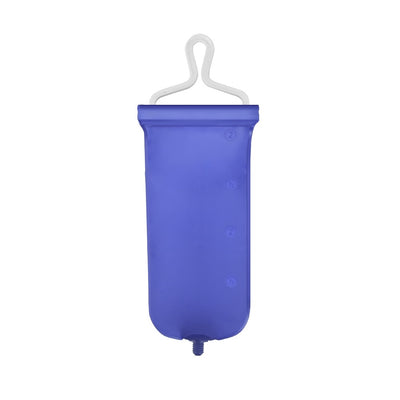
You use a flexible enema bag or a rigid enema bucket, containing on average 1 to 2 liters of water. This capacity, larger than that of the bulb, allows for deep colon cleansing. The liquid travels through the main portion and the folds of the intestine, which facilitates the elimination of accumulated waste. The goal is to keep the water for as long as possible in order to soften the matter stuck to the walls, then evacuate it in the toilet.
This method requires a little more time and preparation, but remains economical and very easy to set up at home.
How to do a home enema
Using a rectal enema bulb
1 — Fill the bulb with lukewarm water. Screw on the nozzle and lubricate it with vegetable oil or a lubricant gel.
2 — Sitting on the toilet, lean slightly forward.
3 — Insert the lubricated tip into the anus and squeeze the bulb slowly, with constant pressure. The water penetrates the rectum and softens the stool.
4 — Once the bulb is empty, remove the nozzle. The introduced water triggers the reflex urge for expulsion: let the liquid flow out freely.

Colon enema with bag or bucket
1 — Connect the hose to the bucket and screw the nozzle onto the hose; ensure the valve is in the closed position.
2 — Fill the bucket with lukewarm water (about 37°C, or body temperature) and hang it at a height.
3 — Open the valve and let a little water run to remove air from the hose, then close the valve.
4 — Lubricate the nozzle with vegetable oil, petroleum jelly, or a lubricant gel.
5 — Lie down in your bathtub, on your side or on your back, and pull your knees toward your chest. If you do not have a bathtub, place a towel on the floor, not far from the toilet.
6 — Insert the lubricated tip into the anus and open the valve. The water enters the rectum, then softens and detaches waste from the intestinal walls.
7 — Let the water flow into the colon for as long as it remains comfortable, then close the valve and remove the nozzle.
8 — You can lie still while breathing calmly, or perform gentle massages on your lower abdomen. Alternating positions, on your sides or on your back, facilitates the flow of water into the colon.
9 — When the urge to evacuate becomes strong, stand up slowly and go to the toilet without delay.

What to do during the enema? 🧘
Relax. It is normal to be nervous during a first enema, but nervousness contracts the muscles of the rectum. Listen to soothing music, practice deep breathing, or immerse yourself in a hot bath first to relax your muscles and mind.
Breathe deeply. While you insert the tip, inhale while counting to 5, then exhale slowly counting to 5 once the tip is in place. Continue these breaths as the liquid enters: they help to relax the perineum.
What to do after the enema? 🚽
Stay near the toilet for the minutes that follow: you may need to go back several times. Afterwards, it depends on the individual. You might want to rest, or conversely feel relief and a boost of vitality after clearing your intestines.
How long does an enema take?
Rectal enema: less than 5 minutes with an enema bulb.
Classic enema: between 5 and 30 minutes with a bag or bucket, depending on your ability to hold the water before evacuating.
How often to perform an enema?
You can do a monthly enema as a routine, or when you feel the need (constipation, bloating, sensation of congestion). Some people like to do one during seasonal changes to relieve the body. It is up to you: listen to your body, but do not practice enemas too frequently, at the risk of irritating the anus and disrupting the intestinal flora.
How much water for an enema?
Use the purest water possible (spring, mineral, or filtered water).
The amount depends on the type of enema and your ability to hold the water without feeling discomfort. For a small rectal douche, the contents of the bulb will suffice (between 100 and 300 ml depending on the models).
For a colon enema, count between 1 and 2 liters depending on the bag models. Start with a small amount of water and then increase if you feel comfortable, without ever forcing it.
Maintenance of your enema bulb or bag
After each use, separate the elements (nozzle and reservoir) and wash them with soapy water or an antiseptic solution. Rinse and let dry. Store in a cool, dry place, away from light.
Find our collection of pharmacy-quality enema kits.

The benefits of the enema
Among the effects attributed to it by naturopaths and practitioners of hygienism, the enema is said to contribute to:
- reducing fatigue
- improving sleep quality
- promoting nervous system health
- improving skin condition
- supporting the function of emunctories
- promoting nutrient assimilation
- accompanying weight loss
- supporting the immune system

In the naturopathic approach, cleaning the intestines helps relieve all emunctories (colon, liver, kidneys, skin, lungs). The skin, for example, is an emunctory organ that eliminates toxins through perspiration: when the intestines are overloaded, it is said to handle a larger share of this elimination, hence redness, irritation, and pimples. It is on this reasoning that the idea that the enema helps to regain healthy skin is based.
Despite the body's self-purification mechanisms, the quality of our diet and our modern lifestyles are not always ideal. This is why the intestinal enema is presented as a supplement to a healthy lifestyle, not as a substitute. In practice, it is generally advised on a monthly or quarterly basis.
Cleaning the intestinal walls is also associated with better assimilation of nutrients and weight loss — this is, in fact, one of the most frequent motivations of our customers, even if the observed effect is primarily due to transit and the lifestyle that accompanies it.
Enemas are also used in medical settings to clean the intestines before a procedure or examination (colonoscopy, X-rays, colon surgery, endoscopic exams). A clean intestine makes it easier to spot polyps.
Home enema and constipation
If you suffer from constipation, an enema can relieve your discomfort. Occasional constipation is common, but some people suffer from chronic constipation, which affects their daily quality of life.
Chronic constipation has various causes:
- lack of fiber in the diet
- lack of physical activity promoting intestinal peristalsis
- clogging of the intestines, which no longer ensure fluid movement of the food bolus
- intestinal laziness
- fatigue, exhaustion
Note that the elderly are significantly more prone to it than the young, due to their lower mobility, food portions lower in fiber, and the side effects of certain medications.
Using a bulb or an enema bag helps relieve chronic constipation, as part of a broader lifestyle reform. As a supplement to the enema, try to eat more fiber and move more. Constipation that persists always warrants medical advice.
What about laxative enemas?
These laxative-based enemas, such as sodium phosphate or bisacodyl, are intended to accelerate transit and empty the intestine. Some over-the-counter laxatives are administered orally, others rectally.
They can be used temporarily, but should be avoided in the long term due to their side effects:
- diarrhea
- abdominal pain
- intestinal disorders
- dehydration and nutrient loss
- addiction
Moreover, laxatives will not solve the cause of your chronic constipation. Prefer the natural solution of the water enema, which is less expensive and better tolerated over time.

Should you do a coffee enema?
Although coffee enemas have gained popularity as a way to rid the body of impurities, we do not recommend this method. Since coffee should already be limited in the daily diet due to its acidity, it is even more so to be avoided as an enema. Since the intestines are a very effective assimilation surface, the absorption of caffeine by this route can prove exhausting for the body.
Other "natural" enemas based on various ingredients (lemon juice, pepper, tea, honey, castor oil, essential oils, clay) are also to be avoided: they can disrupt the balance of the intestinal flora and cause irritation, or even rectal burns. For intestinal cleaning, use only water, as pure as possible, or a saline solution if advised by your doctor.
What about a barium enema?
Barium enemas are performed by a doctor or radiologist as part of imaging exams. The practitioner inserts a liquid solution (barium sulfate mixed with water) into the rectum. Once the barium is deposited inside the colon, they perform a series of X-rays: the product appears in bright contrast, which allows for better visualization of the inside of the intestines. This has nothing to do with an at-home enema.
What is the difference between an enema and colon hydrotherapy?
Colon hydrotherapy, or colonic irrigation, is generally performed in a clinic by a healthcare professional or a naturopath. It uses specialized equipment to irrigate and clean the colon. This type of enema allows for a deeper cleaning and uses a much larger volume of water than a classic at-home enema. However, it is also much more expensive. Some people appreciate its effectiveness, while others prefer the privacy and tranquility of the at-home enema.
Discover our at-home hydrotherapy device, to perform an enema effortlessly.

Is an enema painful?
No, the enema should not cause pain. If it is your first time, you may feel slight discomfort, often due to your body getting used to the sensation. You may feel "heavy" in the abdomen: this is the logical result of the influx of fluid into the colon.
You may also feel slight muscle contractions or spasms: this is a sign that the enema is taking effect, by stimulating the muscles of the digestive tract to push out retained stool.
If you have hemorrhoids, fissures, or other anal wounds, wait until they are healed before administering an enema, at the risk of aggravating the irritation by inserting the probe.
Intestinal enema: dangers and contraindications
For the majority of people, the practice of enemas does not cause significant side effects. More rarely, it can cause nausea or dehydration. In this case, space out the sessions and remember to hydrate well before and after.
The use of inappropriate or dirty tools can lead to serious complications. Uncleaned equipment can be covered in bacteria and cause infections. Always use clean and sanitized equipment. Inappropriate equipment can also injure the anus, rectum, or lower part of the colon.
Some people experience abdominal cramps for a short period after their enema. If you have vertigo or dizziness, lie down until you feel better.
Intense pain may be a sign of an underlying problem. If you start to feel pain, stop the enema and call your doctor.
As a general rule, avoid performing an enema if you are pregnant, if you are suffering from a flare-up of hemorrhoids, an anal fissure, colon or rectal cancer, a rectal, anal, or sigmoid tumor, inflammatory bowel disease (ulcerative colitis, Crohn's disease), intestinal obstruction, or following recent intestinal surgery.
Key takeaways
Although it may be uncomfortable at first, the practice of enemas is an ancient natural hygiene method that is well-tolerated when performed under the right conditions.
Enema bulbs and bags are tools intended to relieve constipation, clear the colon, or prepare for a medical examination.
Perform an intestinal cleanse with water on an occasional basis when you feel the need. Do not perform enemas too often, so as not to disrupt the balance of your intestinal flora. Listen to your body and always seek advice from your doctor.
A water enema is a hygiene and wellness practice. It does not replace medical advice or prescribed treatment.