

Sitz bath and urinary tract infection: relieving cystitis naturally
When dealing with cystitis, the burning sensations and frequent urge to urinate make every moment uncomfortable. A sitz bath is a natural comfort measure that can help alleviate cystitis by soothing the pelvic area locally. Here is how to practice it safely, what additions to avoid, and when to consult a doctor.
Does a sitz bath relieve a urinary tract infection?
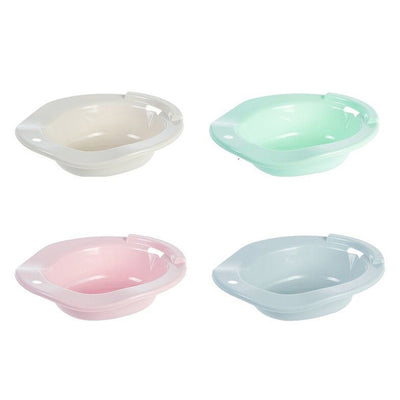
A urinary tract infection can cause pain throughout the perineal area, not just in the bladder. A sitz bath provides local relief: it does not treat the bacterial cause, but can make the most difficult hours more bearable. Sitz bath basins make this process easier without having to use the entire bathtub.

The effects of local heat
Lukewarm water, between 37 and 38°C (98.6–100.4°F), relaxes the pelvic muscles and promotes blood circulation in the perineal area. Many people experiencing the typical burning sensations of cystitis describe a reduction in pain within the first few minutes. Heat does not change the presence of bacteria in the bladder; it primarily contributes to comfort while symptoms persist.
Conversely, a cold sitz bath can help reduce the sensation of swelling and calm local discomfort. The sitz bath basin allows you to choose warm or cold water depending on the comfort you are seeking. Its standard format of 39 × 36 × 12 cm is compatible with 99% of standard toilet bowls, including for pregnant women and people with reduced mobility.
Complementary comfort for cystitis
A sitz bath remains a complementary comfort measure to medical follow-up, never a replacement. Many people dealing with acute cystitis combine it with standard recommendations to better get through the period of discomfort. This practice can be suitable for both women and men when burning, itching, or perineal tension occurs in connection with irritation of the urinary tract.
The frequency of sessions depends on symptoms and the advice of a healthcare professional. In the event of significant pain, fever, blood in the urine, or persistent symptoms, medical advice is necessary: cystitis can progress, and a urinary tract infection requires appropriate care.
How to perform a sitz bath correctly
The quality of the bath depends as much on the equipment as on the protocol. A clean container, water at the right temperature, and an appropriate duration make this process comfortable.

Preparing clean, lukewarm water
For a woman dealing with cystitis, the sitz bath starts with cleaning the container thoroughly. Remove soap residue and impurities before each use, then pour in 2 to 4 liters of lukewarm water: the intimate area and the perineum should be able to be submerged once seated.
- Temperature: keep the water between 37 and 38°C for a soothing sensation without heat-related irritation.
- Volume: 2 to 4 liters are sufficient to comfortably cover the perineal area, which is 5 to 10 cm of water in the basin.
- Duration: stay seated in the water for 10 to 15 minutes, without exceeding 20 minutes to avoid drying out the skin.
- Pre-bath hygiene: perform gentle intimate hygiene before sitting down, so as not to contaminate the water within the first few seconds.
Water that is too hot can increase the discomfort of mucous membranes weakened by an infection. Test the temperature with your wrist before sitting down. Preparation takes less than five minutes and can be repeated as needed, within the limits of medical recommendations.
Sitting on the toilet without overflow
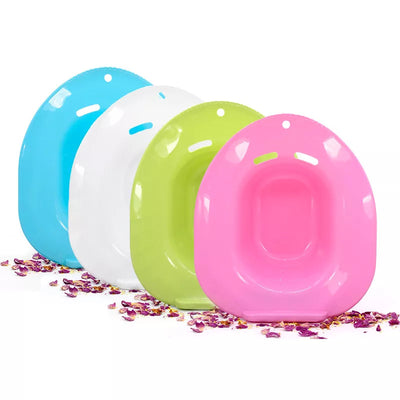
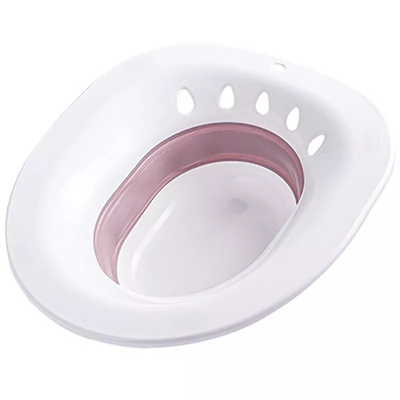
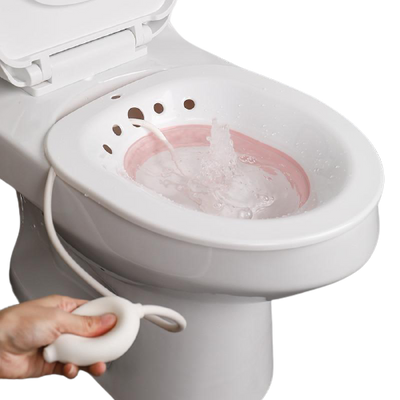
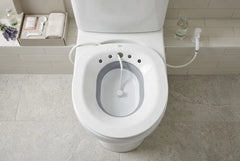
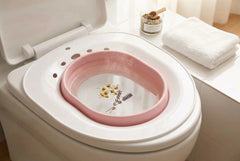
The basin is placed directly on the toilet bowl. Its shape allows it to remain stable without needing to be secured. Unlike some basic plastic bowls offered as pharmacy sitz baths, models designed for toilets feature vents or overflow channels: excess water is directed into the toilet bowl, which protects the floor and clothing.
Non-porous medical-grade plastic makes cleaning easy after each use and limits the accumulation of residue. Foldable models can be stored in a travel bag to maintain this comfort ritual while on the go. Some, equipped with a small pump, also allow for targeted rinsing, which can be practical for people with reduced mobility. Finally, the wall-hanging hole provided on most models facilitates discreet storage.
Sit quietly on the basin placed on the toilet and leave the area submerged for the duration of the bath. Keep your legs uncrossed so as not to destabilize the container. The position remains natural and requires little effort, even in cases of intense pelvic pain associated with an infection.
Drying and cleaning after the bath
At the end of the bath, gently dry the perineum with a clean, dry towel without rubbing. Gentle patting limits mechanical irritation of skin sensitized by cystitis. Keeping the pelvic area warm afterwards can prolong the feeling of comfort after a warm bath, especially in cool weather.
Clean the basin immediately after each use, rinse it with clear water, and dry it before putting it away. This quick step maintains good hygiene conditions for the next use and contributes to the longevity of the equipment.
In the event of significant pain, fever, blood in the urine, or persistent symptoms, seek advice from a healthcare professional quickly. A sitz bath provides temporary comfort but does not replace medical advice when a urinary tract infection is possible.
Gentle measures against urinary tract infections
The sitz bath can be integrated into a comprehensive approach to avoid recurring urinary tract infections and get through an episode with more comfort.

Additives to use with caution
When a person is looking for a gentle way to supplement their comfort during a urinary tract infection, they might think of plant infusions in the water of a lukewarm sitz bath. Chamomile, thyme, and sage are often cited in phytotherapeutic tradition for their soothing dimension, without replacing appropriate treatment when symptoms appear.
- Chamomile: this mild infusion is traditionally appreciated by irritated mucous membranes; stop using it if a skin reaction occurs.
- Thyme: this aromatic plant is mentioned for its traditional antiseptic uses; it must remain light and well-diluted in the bath water.
- Sage: ancient practices attribute a toning effect to it; its use requires moderation, especially during pregnancy.
- Essential oils: oils must never be poured pure into the water, as they irritate fragile genital mucous membranes. Adding them requires a dispersant and professional advice, and is not suitable for everyone.
Vinegar is sometimes added to a sitz bath to alter the local pH and limit bacterial adhesion. A commonly described preparation: 4 tablespoons of vinegar in 3 liters of lukewarm water, followed by a 15-minute soak. It can also irritate sensitive mucous membranes.
A sitz bath without additives is often enough to seek a soothing sensation. Lukewarm water alone, at the right temperature, remains the safest base. As soon as irritation or an unusual reaction occurs, stop using the additive in question and consult a healthcare professional if symptoms persist.
Intimate hygiene without excess
Good intimate hygiene does not rely on repeated washing. A gentle external wash with water, once or twice a day, is enough to maintain the natural balance without weakening the protective flora. Rinsing remains external: the vulva and perineum, never inside the vagina, which regulates itself. Harsh soaps, disinfectants, and scented products can alter local defenses and promote recurring cystitis by eliminating certain beneficial bacteria.
External cleaning with water, done without rubbing, respects the skin and mucous membranes more than repeated wiping with toilet paper. The latter can cause micro-lesions and create an entry point for bacteria. Soft, washable textiles can also replace paper to limit irritation.
Habits that limit irritation
Wiping from front to back after each bathroom visit limits the transfer of intestinal bacteria to the urethra. Also, avoid holding it in: going to the toilet as soon as the urge to urinate is felt limits the stagnation of urine in the bladder.
A wet swimsuit worn for a long time and prolonged exposure to cold can accentuate the discomfort of pelvic mucous membranes. These comfort measures do not replace a consultation or the necessary advice to treat a urinary tract infection.
When to consult for cystitis
The symptoms of a urinary tract infection can evolve quickly. Some cases require urgent medical advice, while mild discomfort sometimes allows one to wait a few hours with comfort measures. This distinction helps not to trivialize a situation that would require antibiotic treatment, without becoming alarmed at the slightest discomfort.
Associated comfort measures
Many people want to know how to relieve a urinary tract infection in just ten minutes. No single action makes the pain disappear that quickly, but a sitz bath combined with a hot water bottle on the lower abdomen can alleviate discomfort while waiting for a consultation or test results. These external measures replace neither medication nor the advice of a healthcare professional.
- Hydration: drinking 2 to 3 liters of water per day promotes the elimination of bacteria and contributes to urinary comfort during the episode.
- Abdominal heat: a hot water bottle or heating pad placed on the lower abdomen can soothe pelvic pain. Avoid direct burning contact with the skin.
- Drinks to avoid: alcohol, coffee, and very sugary or citrus-based drinks can irritate the bladder and accentuate burning during urination.
Go to the toilet as soon as the frequent urge to urinate appears, without holding back. When urine stays in the bladder for a long time, bacteria can find a favorable environment there; regular urination contributes to their evacuation through the urinary tract.
Signs that mandate medical advice
Certain symptoms suggest complicated cystitis and go beyond the scope of local irritation. Fever, chills, intense back or lumbar pain, as well as the absence of improvement after 48 to 72 hours, justify medical advice, even if comfort measures provide partial relief.
- Fever and chills: they can accompany kidney involvement, such as pyelonephritis, which requires urgent medical attention.
- Lumbar or back pain: pain in the back or the kidney area, associated with the typical symptoms of cystitis, requires a consultation during the day.
- At-risk profiles: a quick consultation is especially recommended during pregnancy, in men, children, and people over 75 years of age.
Antibiotic treatment, when prescribed by a doctor, remains necessary to treat the underlying bacterial infection. Natural methods can accompany this treatment, but they do not replace it. Consult if symptoms persist or worsen.
| Situation | Recommended consultation time |
| Mild symptoms, no fever, adult female not pregnant | Consult within 48 to 72 hours if no improvement |
| Pregnancy, man, child, over 75 | Consult within the day |
| Fever, chills, lumbar pain | Urgent consultation without waiting |
| Worsening symptoms after 48 hours | Consult without further delay |
Why an infection may require treatment
A urinary tract infection is often linked to intestinal bacteria, notably Escherichia coli, which travel up the urethra to the bladder. This mechanism explains why a sitz bath or hot water bottle does not act on the origin of the infection: the bacteria are located inside the urinary tract, out of reach of the bath water.
Antibiotic medications prescribed by a doctor remain the way to treat the responsible bacteria and prevent infections that could travel up to the kidneys. Combining them with comfort measures can improve daily life during the episode, without changing the need to follow the prescription to its completion.
Prevention also relies on simple habits: sufficient hydration, regular urination, protection against cold, and gentle, non-excessive hygiene. These reflexes can help maintain urinary comfort and limit recurrences. In case of doubt, a healthcare professional is best placed to guide the course of action.
Frequently asked questions
How to calm cystitis quickly at home?
A lukewarm sitz bath, between 37 and 38°C, can provide a feeling of comfort during a cystitis episode. A hot water bottle placed on the lower abdomen is also used to help soothe pain, burning, and pelvic discomfort.
Drinking plenty of fluids, between 2 and 3 liters of water per day, promotes regular urination and helps flush out bacteria present in the bladder through urine. These actions do not replace medical advice: consult if symptoms last longer than 48 hours.
What should you not do when you have a urinary tract infection?
Avoid holding in your urine. Stagnation of urine in the bladder can provide bacteria with a favorable environment and accentuate the discomfort associated with a urinary tract infection.
While symptoms persist, also limit irritating drinks such as coffee, alcohol, and sugary sodas. Intimate hygiene that is too aggressive, with disinfectants, scented soaps, or repeated washing, can weaken local flora and aggravate irritation.
How do you do a sitz bath for a urinary tract infection?
Clean the basin carefully, then pour in 2 to 4 liters of lukewarm water at approximately 37-38°C. Perform a gentle external wash before sitting down so as to submerge the perineal area for 10 to 15 minutes.
Then dry gently with a clean towel, without rubbing. A basin suitable for toilets, equipped with an anti-overflow system, facilitates installation and allows this comfort gesture to be practiced daily without mobilizing the entire bathtub.
In case of severe pain, fever, blood in the urine, or persistent symptoms, seek advice from a healthcare professional promptly.