

Derivative bath: how many times a day should it be practiced?
Knowing how many times a day to practice the derivative bath is often the first question for those discovering this method. This article clarifies the target duration, when to wear the gel pack, and how to organize your routine to enjoy the benefits of the derivative bath daily, whether you are just starting or looking to intensify your practice.
How often should you take a derivative bath?
The principle of the derivative bath is based on the regular application of gentle cold to the perineal area to support the body's thermal regulation and promote the natural elimination of metabolic waste. Consistency remains the essential benchmark: a daily practice is ideal, while 3 to 4 sessions per week is a reasonable maintenance rhythm for those with a busy schedule. All authors who have described the modern derivative bath insist on the same point: it is consistency that counts, not intensity.

Starting a gradual practice
The duration of a session with a gel pack should not be forced from the start: listening to your sensations guides each step. To approach the duration of the derivative bath with a gel pack comfortably, it is advised to begin with 20 to 30 minutes in the evening, then gradually increase the wear time according to what your body indicates. Moving to long sessions too quickly can be discouraging; proceeding at your own pace promotes lasting adherence.
- Beginners: start with 20 to 30 minutes in the evening, during a quiet moment without time constraints.
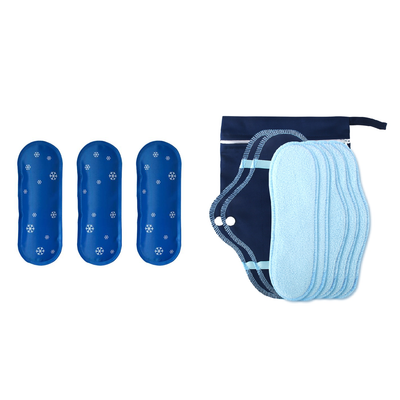
- Regular practitioners: aim for several hours a day by rotating three packs while the other two cool in the freezer.
- Maintenance goal: 3 to 4 sessions per week are sufficient to maintain a light and pressure-free routine.
With three packs used in rotation, many practitioners achieve several hours of daily wear without interruption. Each gel pack maintains a feeling of freshness for up to 2 hours, a duration that varies depending on body temperature, current activity, and the environment. As soon as the coolness fades, simply replace it with a pack from the freezer to continue the session. The day pack allows you to adopt the daily derivative bath frequency adapted to each profile, especially thanks to the rotation of three packs.
Adapting duration to comfort
Some people notice slight temporary fatigue or headaches when starting: if side effects of the derivative bath, such as this fatigue or a feeling of exhaustion, occur, it is recommended to temporarily reduce the duration or frequency, then resume more gradually. These initial reactions are an invitation to adjust, not to give up. The body usually adapts within a few days.
There is no imposed universal duration: you are the sole judge of what suits you. The pack can be worn as much as desired throughout the day, provided the sensation remains pleasant. As soon as any discomfort appears, such as excessive cold or tension, the session should be stopped. The gel pack is an accessory for comfort and well-being, not a medical treatment. The online guide details each step of the frequency of using the derivative bath.
Suitable moments for a gel pack
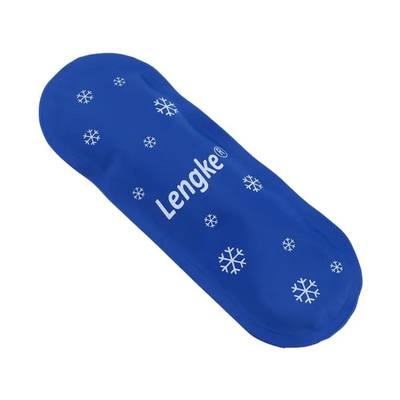
Organizing your sessions around meals and daily activities allows you to fully enjoy the benefits of the baths without disrupting digestion or daily life. The gel pack, thanks to its compact 17.5 × 6.5 cm size, slides discreetly into your underwear and supports most everyday situations.

Choosing the right time
Mornings on an empty stomach are often the most appreciated time: the session benefits from a rested body and a nervous system less taxed by the stress of the day. Some practitioners also enjoy the afternoon to support digestion. Hourly precautions matter: practicing right after a heavy meal can cause digestive discomfort, which is avoidable by following a few simple rules.
- Morning on an empty stomach: ideal time; finish the session at least 30 minutes before the first meal.
- After a meal: wait at least 2 hours before placing the pack so as not to disrupt digestion.
- Afternoon: suitable for a long session in a seated position, at work, or in the car.
- Evening before bedtime: promotes muscle and nervous relaxation, useful for preparing for sleep.
The stress of the day can make the evening particularly suitable: the coolness on the perineum accompanies a gradual relaxation of the body and facilitates falling asleep. An evening session of 20 to 30 minutes, as mentioned for beginners, is a consistent starting point. Once this rhythm is adopted, it becomes natural to extend the duration or add a session during the day depending on your schedule.
The gel pack allows you to remain fully mobile: walking, running errands, taking public transport, or working while seated requires no special setup. The two elastic bands on the cover keep the pack in place while walking. The compact format of the day pack means it goes unnoticed under regular clothing without altering your posture or gait.
Preparing and wearing the pack
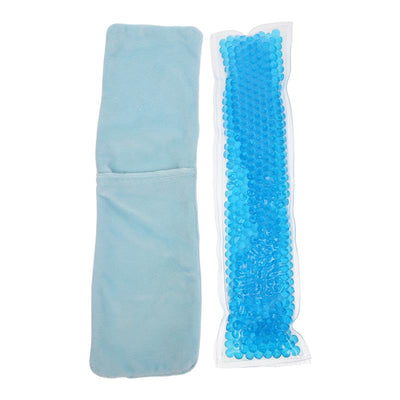
Before the first use, the pack must remain in the freezer for 1 to 2 hours. The provided fleece cover is essential: it insulates the skin from direct contact with the cold and prevents any risk of cold burns. Some people opt for a derivative bath with a frozen water bottle well-wrapped in a soft cloth, a possible alternative for nighttime sessions in a lying position when long-lasting freshness is sought.
After each use, wash the pack with soap, rinse it, and dry it before returning it to the freezer in a box or freezer bag to isolate it from food. The protective cover is machine washable. This simple maintenance ensures the hygiene of the accessory and preserves the quality of the non-toxic food-grade gel contained in the plastic and nylon envelope.
Knowing essential precautions
Some situations require special attention before starting or continuing the practice. In case of doubt, a healthcare professional remains the best point of contact.
- Pregnancy: practice with a gel pack is not recommended during pregnancy.
- Heart or circulatory conditions: medical advice is necessary before starting.
- Urinary tract infection, local loss of sensitivity, or heavy periods: practice is not recommended until the situation has resolved.
After a surgical procedure, your doctor's approval is essential before resuming. These precautions do not call into question the general value of the method; they simply define the framework in which it is practiced with peace of mind. Everything is based on consistency and respect for the body, not on the intensity of the sessions.
Extending the derivative bath day and night
For those who wish to make the derivative bath a background support, continuity naturally arises. The Day & Night pack combines a discreet day pack and a large, reversible hot/cold night pack designed for prolonged use in a lying position.

Organizing pack rotation
The derivative bath can help support daily comfort, and rotating the packs is the practical key: while one pack is being worn, the other two are cooling in the freezer, ensuring continuous freshness without downtime.
- One pack worn: each pack maintains freshness for up to 2 hours depending on body temperature and activity.
- Two packs in the freezer: they are ready to take over as soon as the first one warms up.
- Fluid replacement: take out a cold pack, remove the lukewarm one, wash it, and put it back in the freezer.
- Daily goal: several cumulative hours of practice per day become accessible with this system.
The 22-page illustrated PDF guide, offered with the pack and sent by email after ordering, details the rotation organization and adjustments based on profiles. This guide, valued at €4.90, devotes an entire chapter to nighttime practice and associated precautions.
Comfortable nighttime practice
Testimonials from derivative bath practitioners regularly mention the night as an appreciated time for practice: the body at rest and reduced stress seem to promote pleasant tolerance to the cold. Some people slip two packs into their underwear liner to extend the session until morning; others prefer falling asleep with one pack and removing it during a micro-awakening.
- Large night pack: designed for the lying position, it maintains freshness longer than a day pack.
- Double night pack: inserting two packs into the liner allows for extending the duration until morning if comfort is maintained.
- Suitable liner: thongs are not suitable; regular underwear or a liner properly holds the packs.
- Morning maintenance: wash the used packs, dry them, and put them back in the freezer before the day begins.
The reversible hot/cold night pack is used here only in cold mode for the derivative practice. Its larger format than the day pack guarantees lasting contact with the perineal area without requiring frequent nighttime repositioning.
To directly access the pack combining a day and night pack, the day and night derivative bath pack is available with the included illustrated PDF guide. In daily life, this combination allows for achieving several cumulative hours of practice without major organizational constraints.
What to expect from the practice
The gel pack is a matter of comfort and well-being, not medical treatment. The benefits of the derivative bath vary from one person to another: the method supports a global healthy lifestyle, it does not replace it.
Consistency outweighs intensity: moderate and diligent practice over several weeks brings more than intensive and discontinuous use. If feelings of exhaustion or discomfort persist, reducing the duration or frequency and consulting a healthcare professional remains the appropriate course of action. The key is to give this habit time to settle into your routine.
Frequently Asked Questions
What is the best time of day to take a derivative bath?
Mornings on an empty stomach are often cited as the most suitable time: the body is rested and digestion does not interfere with the session. It is advised to finish the session at least 30 minutes before the first meal. The evening, before bedtime, is also an appreciated time for its muscle and nervous relaxation effect, which prepares the body for sleep. The afternoon is also suitable, provided you wait at least 2 hours after a heavy meal.
Are there any dangers associated with derivative baths with a gel pack?
The practice is safe for most people, provided that a few precautions are followed. The gel pack must never be placed directly on the skin: the provided protective cover is essential to avoid cold burns. Some situations require prior medical advice, including heart or circulatory disorders and recent surgery; pregnancy is a contraindication to observe for its entire duration. In case of doubt, a healthcare professional remains the appropriate contact.
Is it good to practice the derivative bath every day?
Daily practice is considered ideal for establishing a regular routine and experiencing the benefits gradually. A rhythm of 3 to 4 sessions per week is a consistent alternative for simple maintenance. The essential factor is consistency: moderate and diligent practice over time is always preferable to long, spaced-out sessions. The body adapts better to a progressive and regular cold than to intense and occasional applications.