

Sitz bath after childbirth: soothing and healing the perineum
After childbirth, the perineum goes through a recovery period that requires attention and gentleness. The sitz bath for perineal healing is a comfort measure commonly recommended by midwives to soothe the sensitive area, maintain good local hygiene, and experience the first weeks of the postpartum period with greater serenity. The choice of the basin, the water temperature, and the duration of the treatment deserve a few simple precautions to remain comfortable and appropriate.
The sitz bath after childbirth
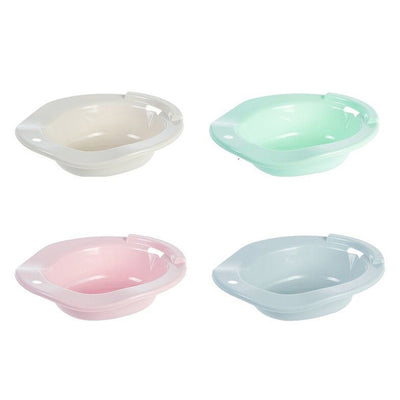
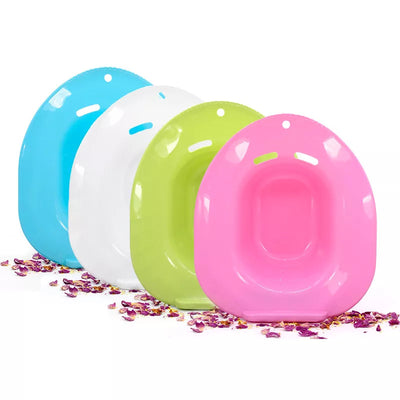
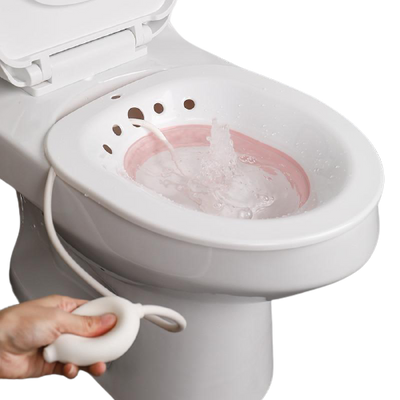
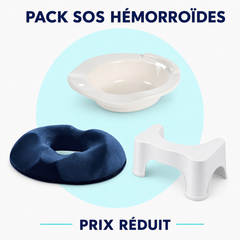
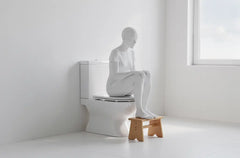
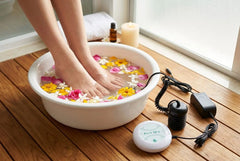
The postpartum sitz bath consists of immersing only the hips and the perineum in a few centimeters of water. A bathtub is not essential: the sitz bath basin that sits on the toilet allows this treatment to be carried out directly at the toilet, without cumbersome movement.

Why the perineum remains sensitive
During labor, the perineum stretches significantly to allow the baby to pass. Incorporating a postpartum sitz bath into a care routine helps maintain local cleanliness and limit the friction associated with wiping.
- Spontaneous tear: the perineal tissue tears during pushing, with a wound that is more or less extensive depending on the degree.
- Episiotomy: this incision widens the passage; the stitches require regular and gentle cleaning.
- Hemorrhoids: common after birth, they can increase discomfort and pain in the perineal area.
In the presence of lochia, minor urinary leakage, or persistent discomfort when wiping, a local bath with clear water can contribute to intimate comfort without adding products to already sensitive skin. Salt or other ingredients are not necessary without specific recommendations. This gesture remains a wellness treatment: it does not replace the midwife's examination or the instructions given at the maternity ward.
A postpartum comfort measure
The sitz bath is a comfort measure commonly practiced after childbirth. For young mothers whose mobility is reduced, the sitz bath for pregnant women, designed with wide edges and appropriate depth, facilitates setup without excessive effort.
Daily, placing the sitz bath basin dedicated to perineal comfort directly on the toilet bowl avoids using the bathtub and limits movement. The duration and frequency must remain in accordance with the advice received after childbirth.
Perineal healing and recovery time
Recovery time depends on the nature and extent of the lesions. Good local hygiene, delicate drying, and compliance with maternity ward advice promote comfort during healing, without replacing the necessary medical support after birth.
Tears and stitches
After childbirth, a tear or an episiotomy may be closed with stitches. Absorbable sutures disappear gradually, while the wound may take up to six weeks to heal, or even eight weeks in some cases.
- First-degree tear: superficial lesion, with healing generally occurring spontaneously in a few days to a week.
- Second-degree tear or episiotomy: a suture is necessary, with recovery potentially extending up to six weeks.
- Absorbable stitches: they disappear on their own, without any manual removal.
- Sitz bath: a comfort treatment that supports healing, without replacing or guaranteeing it on its own.
Lukewarm water soothes soreness and relaxes the perineal area; cool water reduces the feeling of swelling. After each bath, dry the area by patting with a clean, dry towel or soft paper: rubbing could weaken the wound or irritate it.
The sitz bath offers gentle cleaning and local relief. Rest, hygiene practices, follow-up by the midwife, and adherence to maternity ward instructions together contribute to a more serene recovery after childbirth.
Signs that require medical advice
Certain signals require special attention during the postpartum period. If discomfort intensifies instead of gradually decreasing, contact a healthcare professional promptly rather than increasing the number of baths.
- Increasing pain: pain that increases several days after childbirth instead of subsiding merits a consultation.
- Bad odor or unusual discharge: this change must be reported immediately to the midwife or doctor.
- Fever: any fever in the postpartum period justifies urgent medical advice, regardless of the presumed cause.
- Wound opening: if the scar appears to be reopening or if the edges are separating, consult before resuming baths.
The sitz bath does not replace medical care and should not delay a necessary consultation. In case of doubt about the healing process or the ability to take a bath, the midwife is the first point of contact.
Proper postpartum intimate hygiene relies on simple actions: gentle local baths, pat-drying, cotton underwear, and regular changing of sanitary protection. This routine helps preserve the comfort of the perineal area during the recovery that follows birth, especially in the presence of a suture or tear.
Bath duration and water temperature
The duration and temperature of the sitz bath vary depending on the time after birth and the discomfort felt. After childbirth, the choice of temperature and frequency remains to be defined with the healthcare professional assisting the recovery.
Lukewarm water to soothe pain
In the first days after childbirth, a lukewarm bath often lasts 10 to 15 minutes. This duration provides gentle warmth around the seat and can help soothe local pain without exposing weakened tissues to excessive heat. The usual frequency is between one and three times a day, depending on discomfort and the recommendations received at the maternity ward.
Lukewarm water is generally preferred after the first 24 hours to promote relaxation. A bath between 37 and 38 °C is often associated with an immediate soothing sensation in postpartum bath guidance. Very hot water, however, is not recommended, especially in the presence of hemorrhoids, as it can increase local discomfort.
| Parameter | Recommended value | Note |
| Bath duration | 10 to 15 minutes | Adapt according to comfort and midwife's advice |
| Frequency | 1 to 3 times per day | Varies based on discomfort and recovery phase |
| Lukewarm water temperature | 37 to 38 °C | Immediate soothing, gentle circulation |
| Cold water temperature | Cool, not icy (10 to 20 °C) | Mild numbing effect, reduces swelling |
Cold or heat depending on discomfort
During the first 24 to 48 hours after birth, cold compresses or an ice pack applied for about 15 minutes every two to three hours can help reduce perineal discomfort. Cool, but not icy, water provides a mild numbing sensation that soothes tingling and the feeling of swelling.
Many young mothers alternate between cold at the beginning and then a lukewarm bath, while paying attention to their sensations. Epsom salt is sometimes added to the sitz bath water: it is traditionally used to promote a feeling of relaxation. However, nothing is indispensable, and clear water alone remains the most cautious choice for a perineum undergoing healing.
Hygiene and gentle perineal care
For effective perineal care, prioritize gentle actions and avoid irritating products. The cleanliness of the basin, water quality, any additives, and drying directly influence comfort after the bath. After childbirth, a short routine without irritating products often better suits a fragile area.

Intimate shower and local bath
For an intimate sitz bath after birth, clear water is most often sufficient. It gently cleanses the perineal area without adding potentially irritating substances to sensitive mucous membranes. The perineal intimate shower is practiced under a gentle stream or by immersion in a basin: it replaces the friction of paper with contact with water, which is gentler for tissues in the healing process.
Some midwives suggest adding a mild plant-based product to the water, such as chamomile or calendula, for their soothing properties on sensitive skin. Ask the midwife following you for advice before adding anything to the water. A full bath is generally delayed for four to six weeks after an uncomplicated vaginal delivery: the local bath therefore remains a practical option during this period.
Products to avoid after birth
Certain substances common in cupboards should be avoided on a weakened perineum. A sitz bath product sold in pharmacies may contain additives or powerful antiseptics; their use after birth must be discussed with a midwife, as they can irritate stitches or disrupt the balance of the local flora. Scented soap, bubble bath, essential oils not validated by a professional, and highly foaming products are also not recommended on sensitive tissues.
After each sitz bath, dry gently by patting. Cotton underwear and regular changing of sanitary napkins help limit moisture and preserve intimate comfort until complete healing. In case of unusual pain, discharge, or difficulty concerning a suture, seek professional medical advice promptly.
Choosing a sitz bath basin
The quality and design of a basin directly influence the comfort of the treatment. After childbirth, a young mother whose mobility remains reduced may look for equipment that is stable, easy to install, and simple to maintain. The essential criteria are practical: dimensions, material, presence of a sprayer, and ease of storage.
Installation on the toilet
A sitz bath basin sits directly on the toilet bowl, without permanent installation or renovation work. Common sizes, around 39 × 36 × 12 cm or 41 × 38.5 × 15.5 cm, are compatible with 99% of standard bowls.
In the practice of the derivative bath, cool water at the level of the perineum is sought by some people for its sensation of freshness and comfort. A sufficiently deep and stable basin facilitates this intimate hygiene measure, without presenting this use as a medical treatment.
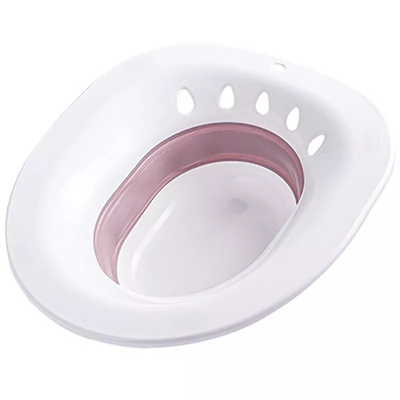
Non-porous plastic basins withstand standard disinfectants and are easy to clean between uses. Integrated channels or overflow holes direct excess water into the bowl: the floor thus remains protected, avoiding an additional burden when postpartum fatigue is present.
- Universal compatibility: standard dimensions adapted to 99% of European toilets, without plumbing modifications.
- Anti-overflow: integrated channels or holes that automatically drain excess water into the flush.
- Resistant material: non-porous plastic that is easy to disinfect after each use.
Some models include a water sprayer, a primer pump, and a hose for targeted rinsing of the perineal area. Two mounting positions allow the flow to be directed according to hygiene needs. This pack may be suitable for women whose movements remain limited in the first few days following birth. If in doubt, a healthcare professional can clarify the appropriate precautions.
Comfort and practical uses
A basin with wide edges and increased depth facilitates installation for young mothers, pregnant women, and people with reduced mobility.
The level of the perineum must remain compatible with the position adopted and the capacity of the basin; an unusual temperature or duration deserves professional medical advice, especially after birth.
- Rigid models: quality hard plastic for stable placement and prolonged daily use.
- Collapsible models: fit into a suitcase or drawer, useful at the maternity ward as well as at home.
- Transparent basins: allow visual monitoring of the temperature and water level without extra handling.
Once adopted, the basin can be used beyond the postpartum period: daily intimate hygiene, lukewarm or cool bath depending on discomfort, or steam bath depending on the model. Adding salt is not necessary for every use and must remain compatible with the recommendations received; these practices fall under comfort and well-being, in a sober and economical hygiene routine that is gentle on the body and the planet.
Frequently asked questions
Is it recommended to take a sitz bath after childbirth?
Yes. Many midwives recommend the sitz bath after childbirth as a comfort treatment for the perineal area. Clear water gently cleanses this sensitive region, while the absence of wiping limits friction and can soothe pain. This gesture complements the care prescribed by the maternity ward, without replacing it, from the very first days following birth.
How long does it take for a perineal tear to heal after childbirth?
Healing time varies according to the severity of the lesion. A first-degree tear generally heals spontaneously in a few days to a week. A deeper lesion or an episiotomy closed with stitches may take up to six weeks; in many cases, complete healing occurs between six and eight weeks after childbirth. Follow-up by a midwife remains necessary during this period.
What water should be used for a sitz bath after childbirth?
Lukewarm water, between 37 and 38°C, is generally preferred after the first 24 hours. It helps to soothe pain without exposing the tissues to excessive heat. Cool, but not ice-cold, water may also be considered to slightly reduce sensitivity and swelling, particularly during the first 24 to 48 hours.
Very hot water is not recommended, especially in the presence of hemorrhoids or recent perineal sutures. Clear water is sufficient: scented or foaming products should be avoided. In case of significant pain or if in doubt after childbirth, seek advice from a healthcare professional.