

How to use an Enema Bulb?
The enema bulb is a simple and effective device for performing an enema at home. Whether it is to relieve constipation, improve bowel movements, or ensure intimate hygiene, its use must follow certain precise rules. This article explains how to use an anal bulb and details the operation, steps, precautions, and various uses, including vaginal.
What is an enema bulb?
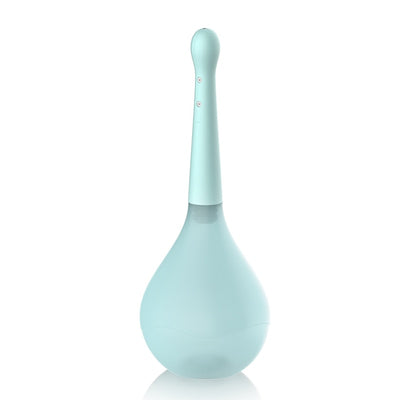
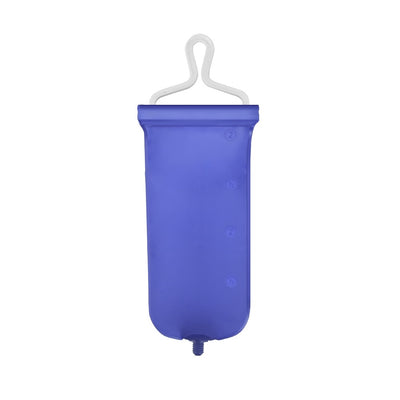
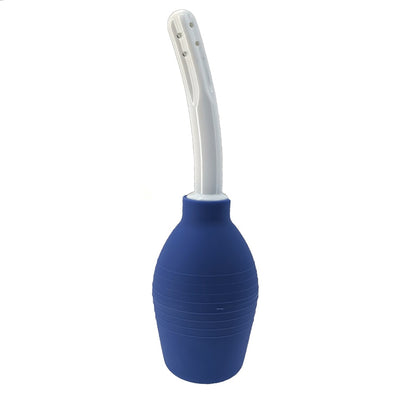
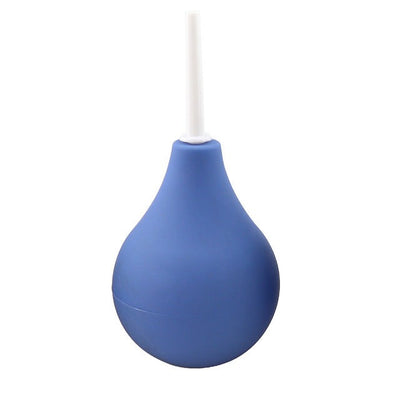
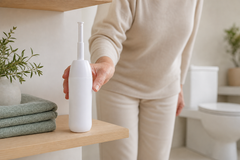
A rectal enema bulb, or enema bulb in English, is an accessory consisting of a flexible reservoir (often made of rubber or silicone) and a tip called a cannula. It allows for the introduction of liquid into the rectum via the anus to perform a rectal enema.
There are several types of bulbs: the classic enema bulb (rectal use), the vaginal bulb (female intimate hygiene), and the ear syringe (for the ears). Each model is designed for a specific use and should never be used for other purposes.

Why use an enema bulb?
Using a bulb can meet several needs: relieving constipation, facilitating the evacuation of fecal matter, preparing for a medical examination, or improving intestinal hygiene.
An intestinal enema stimulates the evacuation reflex and helps to release stools quickly, particularly in cases of constipation — always in moderation.
When should you perform an enema?
An anal enema is indicated in very specific situations: occasional constipation, preparation for a medical examination, or occasional cleansing of the rectum.
However, there is a risk if used too frequently: it can disrupt the natural functioning of the intestine and bowel transit.
Which liquid should be used?
The liquid used should be lukewarm water, at a temperature close to that of the body (about 37°C), to avoid any irritation or discomfort. Use spring or filtered water.
An inappropriate temperature, whether too hot or too cold, can cause cramps or unpleasant reactions in the rectum and colon.
How to use an enema bulb: step-by-step
1. Prepare the bulb
Before any use, clean the bulb thoroughly. Then fill the reservoir with lukewarm water by squeezing and then releasing the submerged bulb.

2. Get into position
The correct position is to lie on your side, legs drawn up toward your chest. This posture facilitates access to the rectum and the introduction of the liquid.
3. Insert the cannula
The cannula must be lubricated and then gently inserted into the anus, without ever forcing it.
4. Inject the liquid
The pressure applied to the bulb must remain gentle. Inject slowly: this is what makes the enema smooth and comfortable.

5. Retain, then evacuate
After the injection, wait a few minutes before going to the toilet, allowing the water time to soften the matter and trigger the evacuation reflex.
Anal enema: best practices
A successful anal enema relies on slow injection, impeccable hygiene, and moderate use. Always use lukewarm water and avoid any excessive pressure.
Following these precautions minimizes irritation and ensures good comfort throughout the procedure.
Using a vaginal bulb
The vaginal bulb allows for occasional external rinsing, for reasons of hygiene or comfort.
However, frequent or deep use disrupts the balance of the vaginal flora, which is self-regulating. Therefore, reserve this use for occasional situations, and only on external areas.

Other uses: ears and care
There are ear syringes for cleaning the ears, particularly in case of earwax buildup in the ear canal.
For obvious reasons of hygiene, never mix uses between an enema bulb and an ear syringe. Moreover, their tips are specific and are not suitable for other uses.
Important precautions
Certain precautions are necessary: do not use an enema bulb in the case of digestive pathology (active hemorrhoids, anal fissure, inflammatory bowel disease, obstruction), during pregnancy, or in children without medical advice. And never force it during insertion.
Excessive use carries a risk of rectal irritation and dependence on enemas.
Cleaning and maintenance
Cleaning after each use is essential.
Wash the bulb with hot soapy water, rinse thoroughly, and then let it air dry with the cannula separated from the reservoir to prevent any contamination.
How to choose an enema bulb?
Before purchasing, several criteria matter: the flexibility of the material (silicone or rubber), the capacity of the reservoir, the quality of the tip, and ease of cleaning.
Our pharmacy-grade models meet strict quality and safety standards.

Home intestinal enema: is it safe?
A home intestinal enema is generally well tolerated if it is performed correctly and practiced occasionally.
In the case of persistent constipation, or at the slightest doubt, consult a healthcare professional to rule out other causes.
Tips for more comfort
To improve comfort, choose a flexible tip, inject gently, and stay relaxed throughout the procedure. Slow breathing helps significantly in relaxing the perineum.
Lukewarm water and a good position do the rest: this is what makes an enema both effective and pleasant.
Conclusion
The enema bulb is a practical tool for performing a rectal enema or an intimate rinse at home.
Good technique, compliance with hygiene rules, and appropriate precautions make it possible to relieve constipation and regain better digestive comfort on a daily basis.
Water enemas are a hygiene practice. They do not replace medical advice or prescribed treatment.