

The Benefits of the Derivative Bath
What is a derivative bath?
Origins of the derivative bath
The derivative bath is an ancestral natural medicine practice found in many civilizations, notably in traditional Chinese, Eastern, and European medicine. These intimate ablutions, once practiced casually by our ancestors when using the bidet, continue to be used within the framework of two major monotheistic religions and remain a common practice in Africa, the Middle East, and Asia.
A practice revived by naturopathy
The technique was revisited in 19th-century Europe by German naturopath Louis Kuhne, with his "friction sitz baths." It was later popularized in the 20th century by hygienist Raymond Dextreit in his Harmonist Method.
In the 1980s, the sitz bath was promoted by singer Rika Zaraï in her book My Natural Medicine. Finally, starting in the 2000s, the practice experienced a new surge in a much simpler form: the cold gel pack worn in underwear, which replaces soaking in cold water. It is now the most widespread version.
In the hygienist vision of all these authors, derivative baths are not considered a panacea, but rather a valuable ally in the quest for well-being. They are part of a holistic approach to health, including a balanced diet and consideration of physiological needs.
Sitz bath or derivative bath?
These terms are synonymous. Just like the sitz bath, the derivative bath consists of cooling the perineal area (the area between the genitals and the anus). The term "sitz bath" is generally used to refer to the method of soaking the buttocks in a basin of water. The term "derivative bath," on the other hand, refers to the use of a cold gel pack inserted into the underwear. The purpose is the same.


Why take a derivative bath?
In the past, the lack of underwear, the wearing of loose clothing, and a rural life filled with physical labor mostly spent outdoors naturally maintained the freshness of the crotch. This lifestyle promoted the rubbing of the sides of the groin, slightly moist with sweat while walking, thus stimulating the mobility of the fascia.
These fascia, fibrous membranes that wrap our muscles and organs, play a role in the drainage of metabolic waste according to this approach. Hygienist authors suggest that good ventilation of the crotch allows for a slight lowering of body temperature through the evaporation of sweat, which they believe contributes to limiting inflammation and oxidation, and thus the aging process.
Why cool the perineum?
In the hygienist tradition, cooling the perineum is presented as a way to stimulate the mobility of the fascia and intestines, facilitate the elimination of stool, and aid the movement of fats resulting from digestion. The application of cold to this very localized area is described as producing an influx of blood that gets fluids back in motion, particularly lymph. It is for this reason that the practice is traditionally associated with detox, activation of blood and lymphatic circulation, and intestinal transit, and is sought after in the context of weight loss and toxin elimination.
How to do a derivative bath?

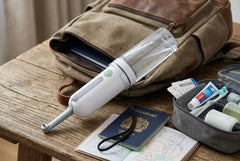
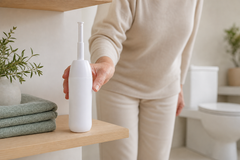
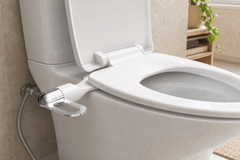
There are several methods for practicing the derivative bath. One can do it the old-fashioned way using a bathtub or a classic bidet. However, the sitz bath basin remains the most suitable solution.
How do you do it? Simply soak your intimate parts in water. Depending on the method used, you can also perform ablutions and groin frictions with a washcloth. You can also add plant infusions depending on the goal sought.
However, in a bathtub or on a traditional bidet, the method is not very economical, as it requires leaving the water running for the entire duration of the bath (from 5 to 30 minutes). Sitz bath basins use much less water. Simply fill the basin once with cold water (you can also add ice cubes) and place it on the toilet. Besides being economical, you will be comfortably seated. Some models are equipped with a pump to facilitate soaking.

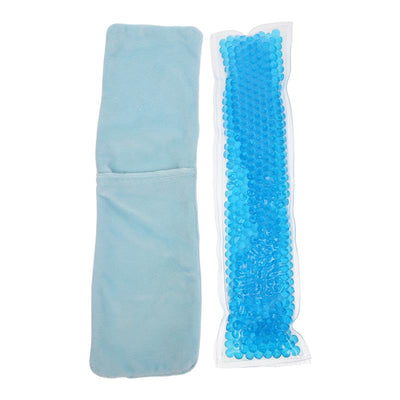
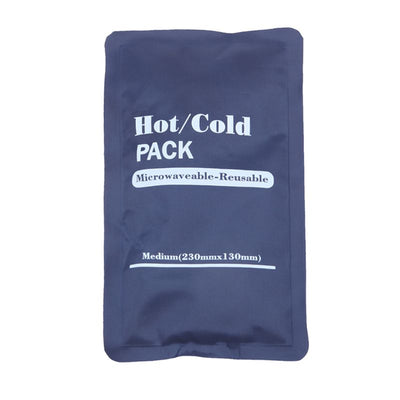
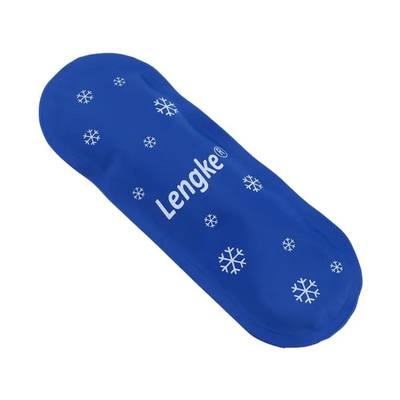
The fastest and most practical option is to use special gel packs for derivative baths. Place them in the freezer in an airtight container before slipping them into your underwear. To avoid direct contact with the cold, wrap the pack in its protective cover. Thanks to this method, you can go about your business while practicing the derivative bath.

The advantages of the gel pack
🤸♀️ Stay mobile: thanks to the gel pack, you can walk, do your shopping, go to work, use public transport, or drive while practicing a cold sitz bath.
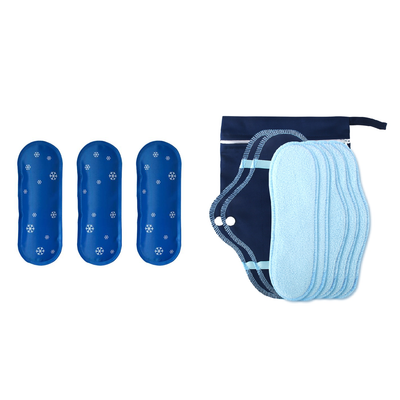
⏳ Long duration: the pack provides a feeling of freshness for up to 2 hours*. With the 3 packs in the kit in rotation, the freshness is never interrupted throughout the day.
📏 Adapted size: thinner than other packs, its small size (17.5 x 6.5 cm) allows it to be slipped discreetly into underwear without being bothersome.
🚻 Unisex: these packs are appreciated by both men and women.
Using the gel pack for a derivative bath
1. Place the pack in the freezer, in a container or freezer bag to isolate it from food.
2. Insert the pack into your underwear, wrapped in its protective cover.
The cover holds the pack in place with its two elastic bands and prevents it from falling when you walk. It also isolates the skin from direct contact with the cold, avoiding any risk of burns. (You can also use a cloth or a paper towel.)
3. Wear the pack for as long as you like and replace it when the sensation of cold disappears.
At night, you can insert two packs into the panty liner: the session will last until morning.
4. Wash the pack with soap, rinse, and dry it before putting it back in the freezer.
To make the most of the practice, cover yourself properly during the session and stop as soon as you feel cold or experience discomfort.
When should you take a derivative bath?
The ideal is to practice derivative baths daily, all year round. It can also be followed as a three-week cure, especially during seasonal changes.
Some like to do it in the morning upon waking, which provides a feeling of energy for the rest of the day. Others practice it in the evening before sleeping, which aids in falling asleep. You can do it on an empty stomach, finishing at least 30 minutes before a meal so as not to disrupt digestion. Avoid performing a derivative bath close to a heavy meal: wait at least 2 hours after leaving the table.
How long per day?
Start with 20 to 30 minutes in the evening, then increase at your own pace as long as the sensation remains comfortable. With the 3 packs in the kit in rotation, many practitioners reach several hours per day, and some wear the pack the entire night.
The duration remains variable depending on the individual. Young, fit, and energetic people will be able to handle it for long hours, while others, older or tired, will feel a sensation of cold after a few minutes. The key is to listen to your body and increase gradually, according to your desires.
The effects of the derivative bath
What naturopaths highlight
🧘♀️ Body balance: in the hygienist approach, the modern lifestyle, stress, an unbalanced diet, and the general acidification of the organism are presented as the cause of an increase in internal temperature, itself associated with a dysfunction of digestive and eliminatory functions. The derivative bath is described as a way to rebalance this internal temperature.
✔️ Inflammatory state: the thermal regulation of the body is traditionally associated with a reduction in general inflammation, in combination with a healthy lifestyle.
✔️ Intestinal transit: practitioners report more comfortable digestion, easier evacuation of stool, and less constipation and bloating.
✔️ Immune system: regular exposure to cold is presented in naturopathy as training for the body's adaptive system.
✔️ Recovery: many users mention more restorative sleep.
✔️ Blood and lymphatic circulation: local cold is traditionally associated with better oxygenation of cells and increased mobility of lymph toward the emunctories.
✔️ Detox effect: this is one of the most cited reasons for the practice, in the broad sense of a lifestyle that supports natural elimination functions.
✔️ Weight loss: this is the primary motivation for our clients. Regular cold is associated with the activation of brown fat, that "good fat" that the body burns to produce heat, unlike white fat that it stores.
✔️ Cellular aging: hygienist authors link the evacuation of metabolic waste to better skin and hair quality.
👨⚕️ Hemorrhoids and heavy legs: cold is the traditional reflex for these moments of circulatory discomfort, just as for premenstrual syndromes and postpartum pain, where it is commonly recommended by midwives.
The derivative bath is part of an overall healthy lifestyle: its value depends on regularity, in addition to a healthy diet and regular physical activity.


Frequently asked questions about the derivative bath
How long does it take to feel the effects?
The feeling of freshness is immediate. For the rest, consistency is key: most practitioners mention a few weeks before the habit sets in and the first sensations appear.
Is the derivative bath suitable for men?
Absolutely. The kit is unisex, the pack is placed in the same way, and its size fits all body types.
Do derivative baths help you lose weight?
This is the number one reason our clients start. Regular cold is associated with the activation of brown fat, and the practice is naturally part of a weight-loss approach. Like any habit of this type, it yields results when associated with a healthy lifestyle: it is not a miracle pill.
Derivative bath to calm a fever?
This is a well-known traditional use: the application of cold to the perineal area has long been used to help lower temperature, in both adults and children. For a toddler, use a small baby bathtub. Note: in case of high fever, and particularly in an infant, use an appropriate antipyretic and seek medical advice without delay.
Derivative bath after an operation?
Use after an operation is not recommended, so as not to disturb the body during convalescence.
Derivative bath during periods?
During heavy periods, prefer the hot gel pack, applied to the lower abdomen. For some women, the use of cold in this context can accentuate menstrual cramps.

Derivative bath and pregnancy?
The derivative bath is not recommended throughout pregnancy.
Derivative bath after childbirth?
This is one of its most common uses. Cold on the perineum is commonly recommended by midwives after birth. With the pack, you do it standing up, while taking care of your baby, instead of staying lying down on an ice pack.
Derivative bath and menopause?
Many testimonials report better comfort regarding hot flashes thanks to the local coolness.
A natural holistic practice
As part of a healthy lifestyle (physical exercise, no tobacco, no alcohol, nutrient-rich diet), the derivative bath is presented by hygienist authors as a support for general well-being and the prevention of so-called civilization diseases.
Contraindications
Derivative baths are not recommended in the following situations:
- During pregnancy.
- During heavy periods.
- After a surgical procedure.
- In case of heart or circulatory disorders.
- In case of local loss of sensitivity or a urinary tract infection.
Usage precautions
Never apply the pack directly to the skin: the protective cover is there for that purpose, otherwise there is a risk of cold burn. Under no circumstances should you feel generalized cold or shivering during this practice, but rather a sensation of warmth with strictly local freshness. If a feeling of fatigue occurs, reduce the duration or frequency without forcing it.
The first few days
As with any new habit, the body adapts gradually. The first few days, some practitioners notice fatigue at the end of the day followed by waking up feeling fit the next morning, or the skin reacting a little. These sensations generally fade on their own once the rhythm is established. Simply reduce the duration of the sessions while your body gets used to it.

In summary, the derivative bath is a simple, inexpensive, and low-constraint natural health tool. It will be adopted by people wishing to establish a healthy lifestyle and provides a sensation of well-being, energy, and vitality.
Discover the Derivative Bath Kit
*The duration of coolness varies depending on the ambient temperature, body temperature, and activity level. The derivative bath is a wellness practice: it is not a substitute for medical advice or treatment. In case of health problems, always seek the advice of a professional.