

Colonic hydrotherapy: benefits and effects on your health
Colon hydrotherapy has been supporting digestive health for centuries. Here is what the practice concretely provides, how a session is conducted, what precautions are necessary, and what protocol to follow.
What exactly is colon hydrotherapy?
Colon hydrotherapy consists of circulating filtered, lukewarm water through the large intestine using a rectal tube. The goal is to support the evacuation of waste and promote intestinal hygiene. Unlike a simple enema, the parameters are precisely regulated: flow rate, pressure, and temperature remain controlled throughout the entire session.

A deep intestinal enema with ancient origins
The technique has been described since the time of Hippocrates and is found in several ancient civilizations: Egyptian, Greek, Roman, and Chinese. This intestinal enema aims for a deeper action than standard use, with colon irrigation that can reach the cecum, over about 1.50 meters.
- Depth of action: filtered water can irrigate the entire colon, well beyond a standard enema limited to the lower intestine and rectum.
- Controlled parameters: this regulation distinguishes the technique from an ordinary enema and allows for a progression adjusted to the person's comfort.
- Water enrichment: depending on needs, the water can be combined with trace elements, probiotics, chlorophyll, or magnesium.
Some practitioners describe a temporary feeling of lightness linked to the evacuation of intestinal contents. However, no study demonstrates a direct effect on fat mass.
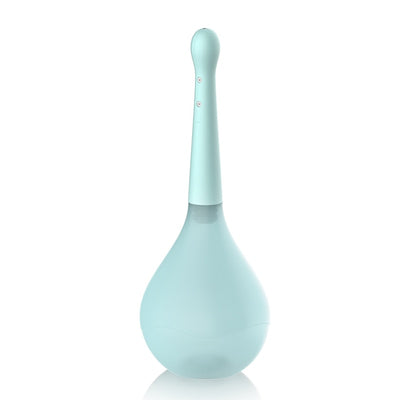
At home, some devices follow this principle with a simplified startup and adjustable pressure, without heavy installation. They allow for a targeted intestinal enema with lukewarm water, useful especially in cases of constipation. It is a concrete alternative to repeated sessions in an institute: discover our colon hydrotherapy device.
Conduct of a session in an institute
A colon irrigation session generally lasts between 45 minutes and an hour. It alternates between several filling and evacuation phases in a closed circuit, which limits odors. The person is positioned on their side or back, knees raised, while abdominal massages may accompany the work on the digestive system.
The rhythm remains progressive: the flow starts gently and is then adjusted according to sensations. As soon as the need to have a bowel movement arises, the evacuation is carried out without rushing.
Reimbursement and cost in France
In France, colon hydrotherapy is not covered by health insurance: the practice remains outside of conventional medicine and is not included in any nomenclature for coverage. The price observed in an institute is most often between €60 and €120 per session.
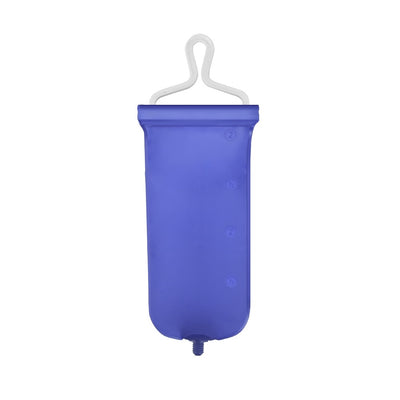
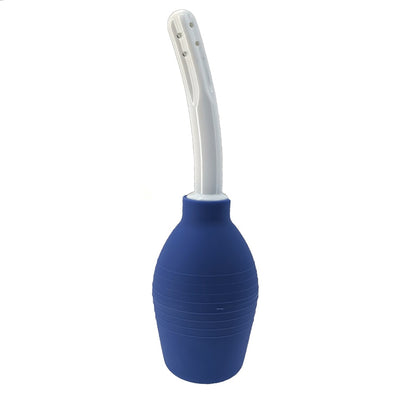
This cost leads some people to consider a home solution, which is easier to integrate over the long term. The enema kit works with lukewarm water, between 36 and 39°C, distributed by gravity thanks to a suspended container and a thin cannula. This equipment supports digestive comfort and facilitates an enema of the lower intestine in case of constipation.
Benefits sought by practitioners
Colon irrigation consists of assisting with a colon cleanse through a controlled intake of water. The stated goal is to evacuate stool, mucus, and toxins that may stagnate in the colon. This gentle method is of interest primarily for its potential effects on intestinal transit, digestion, and certain chronic discomforts.
Effects felt before and after the session
The before/after comparison often comes up in feedback from sessions: before, many describe a feeling of a heavy stomach, bloating, and persistent discomfort. After the session, a feeling of lightness is frequently reported.
For some people, the effects persist in the following days, with smoother digestion and better-regulated transit. Colon hydrotherapy is presented in this context as occasional support for intestinal comfort.
What users report
Numerous testimonials mention better quality sleep, less fatigue, and an overall sense of calm after a few sessions. These observations remain subjective, but they align with the idea that a less congested intestine contributes to well-being. A study published in 2021 also suggests an improvement in mild gastrointestinal symptoms in people with irritable bowel syndrome.
Other feedback mentions a gradual decrease in gas, bloating, and certain chronic digestive disorders. However, these observations are not enough to confirm all the benefits sometimes claimed.
Long-term data remain limited, and contraindications must always be verified with a healthcare professional, especially in cases of established digestive problems. Intestinal cleansing should be considered as occasional aid, not as a universal answer.
Is colon hydrotherapy safe?
Performed with sterile equipment, in a professional environment, and with rigorous screening for contraindications, the technique is generally well tolerated. Conversely, improper practice exposes the digestive system to real risks.

Contraindications and at-risk profiles
Certain situations clearly contraindicate colon irrigation, particularly when the intestine or rectum is weakened. A prior medical check-up allows for the exclusion of a large portion of preventable complications.
- Inflammatory diseases: Crohn's disease, ulcerative colitis, diverticulitis, and rectal tumors are absolute contraindications.
- Special situations: pregnancy, use of anticoagulants or corticosteroids, recent surgery of the anus or rectum, history of radiation therapy.
- Associated pathologies: unstable cardiovascular disorders, kidney failure, and flare-ups of hemorrhoids require prior medical advice.
A period of at least one month after surgery is usually recommended before any session.
The main known risks are intestinal perforation, which remains rare, infections in case of insufficient sterility, and electrolyte loss. Repeated use without supervision can also disrupt digestive function and promote a dependency on evacuation. Caution applies as much to the indication as to the frequency.
Impact on the microbiota
The intestinal microbiota participates closely in immune balance: a large portion of immune cells is located in the intestine.
Practitioners often believe that colon hydrotherapy does not destroy the intestinal flora, but that it could support rebalancing after the elimination of irritating residues. This idea should be approached with moderation: effects vary according to the individual, the frequency of sessions, and the sensitivity of the intestinal microbiota.
For home practice, the equipment must meet specific criteria: a cannula equipped with an anti-reflux valve, and water maintained between 36 and 39°C to avoid irritating the mucosa. This choice of equipment limits irritation and reduces the risks associated with improvised setups.
Protocol and colon maintenance
A colon cleanse is more than just a session. Preparation, the rhythm chosen, and the days that follow are just as important for the comfort of the digestive system and the balance of the microbiota.
Preparation and follow-up diet
In the two to three days preceding, the diet is generally lightened. This phase prepares the colon and limits discomfort during the session. If raw vegetables already promote bloating, it is better to reduce them temporarily.
Before the session, it is advisable to avoid animal proteins, dairy products, and gluten, and to prioritize whole grains and cooked vegetables. The water should be prepared lukewarm, around 37°C: the reservoir is filled, air is purged from the system, and the cannula is lubricated with a suitable gel. The water then enters at a tolerable rate, with calm breathing and gentle massages of the stomach.
After the session, the diet should be resumed simply and progressively: soups, compotes, cooked vegetables, and whole grains, to allow the intestine to recover gently. Supplementation with magnesium and trace elements can be considered to compensate for losses.
Recommended frequency
For starting out, 2 to 3 closely spaced sessions can be suggested to restart transit. Afterwards, 1 to 2 sessions per year are generally sufficient for maintenance, often at the change of seasons. The commonly accepted limit remains a maximum of one session per month, whether it is hydrotherapy or an enema, to preserve the natural functioning of the colon.
Beyond that, a colon cleanse that is too frequent can unbalance the mucosa, the microbiota, and, more broadly, digestive health.
| Context | Suitable equipment | Recommended frequency |
| Starting / restarting transit | Enema kit or hydrotherapy device | 2 to 3 closely spaced sessions |
| Maintenance | Enema kit | 1 to 2 sessions per year |
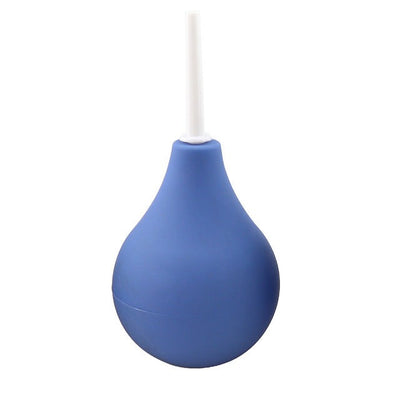
| Occasional constipation | Bulb syringe or enema kit | Occasional, 1 session/month max |
| Medical indication (colonoscopy, surgery, neurological disorders) | Prescribed equipment | By prescription and medical supervision only |
Outside of sessions, daily life remains the determining factor: a diet low in ultra-processed foods and regular physical activity support long-term digestive health.
At home, an enema with a suitable device is a concrete alternative for cleansing your colon, provided the recommended frequencies are respected and one remains attentive to the tolerance of the intestine.
Frequently Asked Questions
What are the benefits of colon hydrotherapy?
Colon hydrotherapy is part of an intestinal hygiene approach. It aims to evacuate residues, mucus, and certain toxins present in the intestine, with an effect often sought on intestinal transit, constipation, and bloating.
People who use it describe a feeling of lightness and better digestive comfort. Large-scale clinical studies, however, remain limited to definitively confirm all of these benefits.
How do you feel after a colon irrigation?
The most frequent sensation is a lighter and less tense stomach, often accompanied by overall well-being.
Conversely, slight fatigue may appear for a few hours while the body recovers its balance.
Why do a colon enema and how often?
A colon enema can be considered to relieve occasional constipation or to support an intestinal hygiene approach. Medical uses, such as preparation for a colonoscopy, require a prescription.
The frequency mentioned is often 2 to 3 closely spaced sessions at the beginning, then one to two sessions per year for maintenance. It is advisable not to exceed one session per month, to respect the intestinal mucosa and the balance of the microbiota.
This article is provided for informational purposes and does not replace medical advice. In case of digestive pathology, consult a healthcare professional before any practice.