

Buy a cold therapy pack: compare models and kits
Choosing and purchasing a perineal cooling pack means comparing sizes, materials, and included accessories. The goal is to find a model suited to your routine, for use during the day, at night, or both. Everything comes down to comfort, flexibility, and how easily it fits into your habits.
Choosing a perineal cooling pack
Choosing your cold pack starts with the intended use. The dimensions, flexibility after freezing, and quality of the gel directly influence the comfort of each session.
A pack adapted to your body type and schedule makes the practice easier.

Compact format or night pack
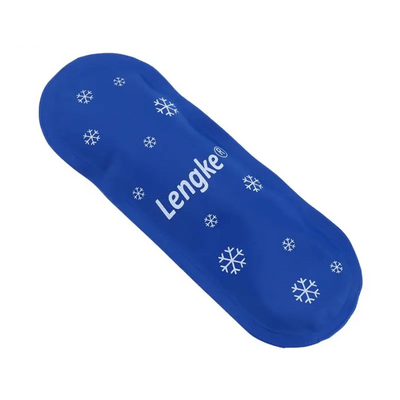
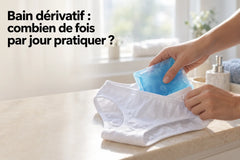
The compact format measures 17.5 × 6.5 cm. Thin and lightweight, it slips discreetly into your underwear and accompanies daily activities without being visibly noticeable.
Each pack provides up to 2 hours of cold. Several models can thus be used in rotation to maintain an application on the perineum. Those who have already practiced perineal cooling during the day particularly appreciate this discretion.
- Small format perineal cooling pack: dimensions 17.5 × 6.5 cm, designed for daytime use and wearing under clothing.
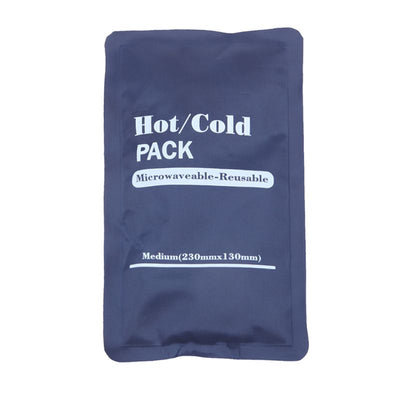
- Large format gel pack: dimensions 23 × 13 cm, thicker, adapted for nighttime use in a reclining position.
- Hot/Cold reversibility: the large format can be heated in the microwave for 30 seconds, then left to rest for 1 minute, for local heat application.
The large format perineal cooling pack is designed for the night. Its surface covers more of the perineal area, diffuses cold for several hours without interruption, and limits the need for repositioning during sleep.
To discover this option, a reversible night cooling pack is available with an included PDF guide. It integrates naturally into the nightly rest of those who wish to adopt this practice.
| Criteria | Compact format (day) | Large format (night) |
| Dimensions | 17.5 × 6.5 cm | 23 × 13 cm |
| Primary use | Daytime, mobility | Night, reclining position |
| Cold duration | Up to 2 hours per pack | Several hours without interruption |
| Hot/Cold reversible | No | Yes (microwave 30 s) |
| Discreet wear | Yes, under clothing | No, reclining use |
Gel, flexibility, and textile protection
The gel contained in the pack directly influences comfort. A non-toxic food-grade gel, combined with a medical-grade plastic and nylon shell, provides a reassuring solution in case of accidental leakage.
Flexibility after freezing is just as important. A pack that is too rigid conforms poorly to the crotch area and may force you to remain in a lying position, even during daytime use.
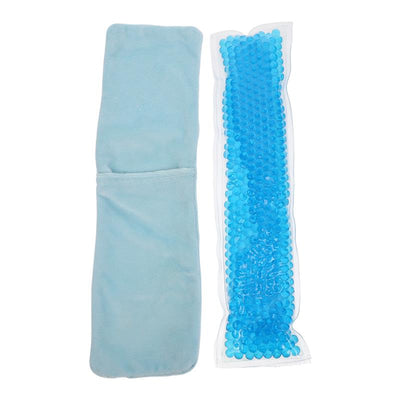
A fabric covering must be placed between the pack and the skin during each session. It prevents direct contact with intense cold and helps limit skin irritation.
Some people look for a perineal cooling gel pack at a pharmacy. You will mostly find general-purpose cold packs there, in a classic rectangular format, which are rarely designed for the perineum and sold without textile protection. A pack designed for this specific use, delivered with its own towel, creates a set that can be used from the very first day without needing to find anything else.
The benefits of perineal cooling
The practice is based on the idea that regular application of cold to the perineum stimulates local circulation and promotes better thermal regulation of the body. This reasoning is what leads to choosing a flexible, well-protected pack adapted to the desired duration.
People concerned with heavy legs, menstrual discomfort, or post-childbirth recovery are among those most interested. The sensations of comfort associated with perineal cooling relate to well-being and do not constitute therapeutic claims; they do not replace the advice of a healthcare professional.
To choose your pack, the format must therefore match your daily life. The small model accompanies mobility, while the large format gel pack is more suitable for a nocturnal session in a reclining position.
Comparing perineal gel pack kits
Two options allow for perineal cooling practice without additional purchases: the set of three compact packs, designed for the day, and the complete kit with washable textile protectors. The choice depends mainly on your practice rhythm and the equipment already available at home.

Set of three compact packs
A set of three packs facilitates the practice of perineal cooling without waiting for a used pack to return to the right temperature. The organization is based on a simple rotation: one pack is used while the other two remain in the freezer. Three 2-hour packs mean up to 6 hours of freshness per day without ever running out.
- Rotation without interruption: with three compact packs in the freezer, a fresh pack remains available when another has finished its cold cycle.
- Medical origin: these packs are manufactured by a specialist in medical gel packs, historically designed for transporting pharmaceutical products like insulin under cold conditions.
- Simple maintenance: after each use, soap, rinse, and dry the pack before placing it back in the freezer.
To practice perineal cooling as soon as they arrive, the cooling gel packs are offered in a set of three. Compact, they slip easily into your underwear. This format is suitable for those who already have adapted towels or protective cloths.
Complete kit and washable accessories
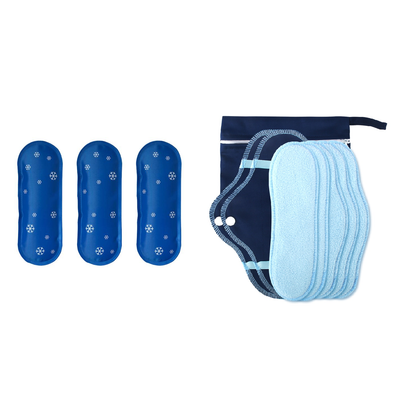
To start without having to gather accessories separately, the complete kit constitutes a structured solution: it brings together everything needed for autonomous daily practice. The kit includes three cooling gel packs, washable towels, and a case: the complete kit to purchase a perineal cooling pack is available directly in the shop.
- Protective towels: two washable towels measuring 23.5 × 17 cm, machine washable at 30°C, to insulate the pack from the skin during each session.
- Microfiber bands: five versatile bands, which can also be used as washable menstrual pads.
- Carrying case: dedicated storage to take the kit with you when traveling and to protect the packs from impacts and odors.
The kit is designed to last for several years. The packs are cleaned with soapy water, the textiles are machine washable, and no element is single-use. This organization is part of a sustainable, economical, and zero-waste daily approach.
The non-toxic food-grade gel, the medical-grade nylon shell, the cotton, and the microfibers were selected for repeated intimate use. The kit is unisex and adapts to all body types, women and men alike. Once adopted, it requires no additional purchases: every element is reusable and included from the start.
Which set matches your rhythm
The choice between the set of three packs and the complete kit depends on the equipment you already have and the intensity of the practice you envision. If suitable linens are already present at home, the set alone may be enough to benefit from efficient rotation. Conversely, the kit gathers useful accessories and avoids the need to find them separately.
Nocturnal practice calls for a different format: larger, more covering, and reversible for hot use as well. This usage can complement the compact packs during the day, depending on the desired organization. Everything comes down to the planned daily duration and the space allotted to this ritual in your everyday life.
Using a cold pack safely
Integrating a gel pack into your routine relies on a few simple steps. Preparation in the freezer, textile protection, and a gradual duration promote comfortable use from the very first sessions. These precautions also help preserve the pack over time.

Preparing the perineal cooling gel pack
Place the pack in the freezer: the refrigerator is not enough to reach the freshness required for perineal cooling. A few hours of freezing are sufficient depending on the models. The pack must never be applied directly to the skin, even briefly, because the perineal cooling gel reaches a very low temperature and can cause cold burns on unprotected skin. This is, in fact, the only real precaution to keep in mind: the warnings read online about a supposed danger of perineal cooling almost always refer to direct contact with the skin.
- Freezer mandatory: the refrigerator is insufficient. The pack must be cold enough to diffuse freshness to the perineum.
- Systematic textile protection: wrap the pack in its protective towel before any contact with the skin, then secure it with ribbons or elastic bands.
- Drying before returning to cold: after cleaning with soapy water, dry the pack completely to limit frost formation and preserve its lifespan.
In practice, the pack is placed in the underwear, wrapped in its protective towel. Its compact format allows you to stay mobile: walking, shopping, driving, or using public transport without it being visible from the outside. Check the condition of the shell regularly and replace the pack at the slightest sign of wear or leakage.
Daily duration of perineal cooling
The duration of a session typically varies from 30 minutes to 2 hours, depending on personal sensitivity and the model used. It is the gel pack that has made this practice accessible without water or a basin, and therefore compatible with an ordinary day. It relies on a gentle progression: start with 20 to 30 minutes in the evening, then increase gradually according to the comfort felt.
On a daily basis, a rotation system with three compact packs allows you to chain sessions without interruption, up to 6 hours spread throughout the day. The large night format diffuses cold for several consecutive hours, without the need to get up. These two uses can complement each other for daytime and nighttime practice, provided the duration is reduced as soon as a sensation becomes uncomfortable.
Precautions before starting
Most people can adopt this ritual with the appropriate precautions: textile protection, progression of duration, and regular maintenance of the pack. Some situations, however, require professional advice. If you have any doubts about your personal situation, consult a healthcare professional before starting.
Particular attention is required in the case of pregnancy, recent post-operative period, cold allergy or hypersensitivity, Raynaud's syndrome, use of anticoagulants, or confirmed circulatory problems. Slight fatigue or a skin reaction may appear at the beginning of the practice; in that case, reduce the wear duration and seek advice if the phenomenon persists.
- Pregnancy: the practice is not recommended throughout pregnancy. It is, however, highly appreciated after childbirth, as cold on the perineum is commonly recommended by midwives.
- Raynaud's syndrome or cold allergy: cold hypersensitivity contraindicates the use of the pack without prior medical advice.
- Anticoagulants and circulatory problems: the application of localized cold can interact with certain treatments or pathologies. A doctor must be consulted.
- Recent post-operative period: wait for your doctor's approval before considering this practice.
These precautions provide a framework for use without making it complex. For people in good health, a progressive approach, with adapted protection, allows this ritual to be integrated into a natural lifestyle.
Frequently asked questions
Where can I find a gel pack for perineal cooling?
In pharmacies, you mostly find general-purpose cold packs, in a rectangular format, which are rarely adapted to the perineum and are sold without textile protection. Specialized online shops offer models designed for this use: day and night formats, sets of three packs, and kits with washable textile accessories. Buying online allows you to compare formats and compositions before ordering. Delivery is provided in mainland France and many European countries.
How long does a perineal cooling session with a gel pack last?
The duration depends on each person's sensitivity and the format used. To start, a session of 20 to 30 minutes in the evening is recommended, and can then be increased gradually up to 30 minutes to 2 hours per session. With a set of three compact packs in rotation, it is possible to accumulate up to 6 hours of practice spread throughout the day. The large night format diffuses cold for several consecutive hours, without interruption.
Is protection required between the pack and the skin?
Yes, always. A refrigerated gel pack must never be placed directly on the skin: even briefly, this contact can cause a burn related to the cold. A cotton or microfiber towel, placed around the pack and secured with ribbons or elastic bands, is sufficient to insulate the area. The kits include these machine-washable textile protectors for simple daily maintenance.