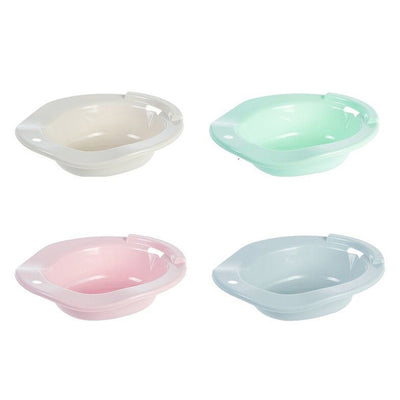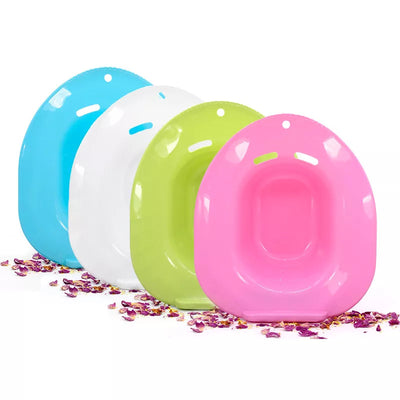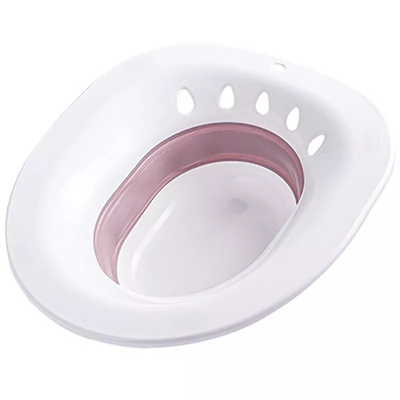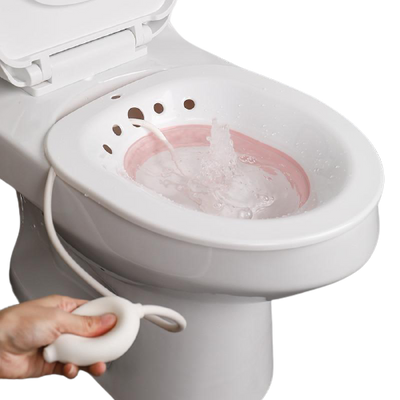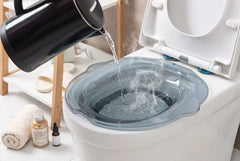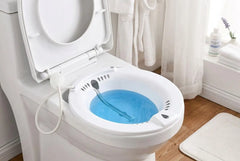


Sitz bath for hemorrhoids during pregnancy: a guide for expectant mothers
A sitz bath is one of the simplest ways to soothe pain and relieve hemorrhoids during pregnancy and after childbirth. This article details the essential parameters: temperature, duration, and frequency.
Sitz baths for hemorrhoids during pregnancy
Hemorrhoids during pregnancy affect a large proportion of pregnant women, especially in late gestation. The pressure exerted by the uterus on the pelvis hinders venous return. This phenomenon, combined with the constipation often experienced by pregnant women, promotes the swelling of veins.

Why are hemorrhoids common during pregnancy?
- Uterine pressure: the weight of the uterus presses on the pelvic veins, leading to congestion.
- Slower transit: hormones disrupt digestion and often lead to persistent constipation.
- Vascular changes: vessels dilate naturally, which makes hemorrhoids more common.
- Repeated straining: pushing on the toilet increases venous pressure.
The sitz bath provides localized relief: lukewarm water relaxes the area and supports circulation. It is an external treatment, simple to perform at home, which requires neither a prescription nor chemicals. However, ask your midwife or doctor for advice before integrating it into your routine, as with any care during pregnancy.
Temperature, duration, and frequency
Temperature plays a key role. During pregnancy, lukewarm water, around 37-38 °C (98.6-100.4 °F), is the standard. Always check the heat before sitting down to avoid any dizziness or discomfort.
Notably cold water is the traditional reflex for a painful flare-up, but during pregnancy, it is better to talk to your midwife before adopting it.
A baking soda sitz bath combines the gentleness of lukewarm water with the soothing properties of this powder: half a spoonful is enough to calm itching without irritating the skin.
| Bath type | Temperature | Duration | Frequency | When |
| Lukewarm bath (standard) | 37-38 °C | 10-15 minutes | 2 to 3 times/day | After bowel movements, at night before bed |
| Cool bath | 15-20 °C | 5-10 minutes | On midwife's advice | Painful flare-up or marked swelling |
| Alternating warm / cool | 37-38 °C then 20 °C | 8 min warm + 5 min cool | 1 to 2 times/day | On midwife's advice |
Baking soda sitz bath during pregnancy
Baking soda is traditionally added to lukewarm water for its alkaline pH, which restores the balance of the anal region and soothes itching. A small diluted amount is sufficient.
Perform this treatment several times a day, especially after using the toilet or before going to bed. Avoid doing it right after a meal.
Natural additives
Pure water is often sufficient, but a few additives can enhance the action of the sitz bath. During pregnancy, favor the gentlest ingredients: sea salt, baking soda, or witch hazel. Pregnant women should avoid harsh soaps, as the area is particularly vulnerable. See also our article on the sitz bath for hemorrhoids.

Chamomile and witch hazel
The chamomile sitz bath is a well-known traditional solution. This plant is renowned for its soothing properties. Prepare a concentrated infusion, let it cool to lukewarm, then pour it into your basin to calm itching.
- Soothing effect: chamomile is traditionally used to relax the area and calm discomfort.
- Redness and swelling: its flavonoids are associated with a calming effect on the anal area.
- Gentleness: its external use is well-tolerated, without irritation.
Witch hazel complements the action of chamomile well thanks to its astringent and veinotonic properties. Add a few spoonfuls of aqueous extract to your basin. When in doubt, ask your midwife for advice.
Essential oils: caution is required
Caution is advised with these plant concentrates during gestation. A sitz bath with essential oils requires medical advice before any use: most of these extracts cross the skin barrier.
- Essences to avoid: peppermint, oregano, eucalyptus, cedar.
- Caution in the 1st trimester: even oils generally well-tolerated, such as lavender or Roman chamomile, require a doctor's approval.
- Mandatory dilution: if authorized, never more than one drop, always diluted in a vegetable oil.
During the first trimester, the baby's organs are forming. This is why we recommend a simple lukewarm water bath with added chamomile, which is much safer.
After your sitz bath, a little pure aloe vera gel can be applied to the anal area. Always seek advice from a healthcare professional: every pregnancy is different.
Relieving hemorrhoids after childbirth
Hemorrhoids that occur after childbirth are often more pronounced than during pregnancy. Pushing efforts and constipation accentuate these venous problems. The sitz bath remains the most used action to relieve anal pain.

The sitz bath after childbirth
The sitz bath suitable for pregnancy and postpartum is very useful from the very first days. The perineum has been under great strain, and baking soda soothes itching while supporting healing.
- Frequency: 2 to 3 lukewarm sitz baths per day, up to 4 in the first few days, especially after each bowel movement.
- Temperature: favor gentle lukewarmness, around 37-38 °C.
- Duration: 10 to 15 minutes are enough to relax the tissues of the anal region and the perineum.
- Baking soda: half a spoonful provides appreciable relief for itching.
These daily treatments provide real relief during the first few weeks. Over time, symptoms become much more manageable.
Donut cushion and postpartum routine
The sitz bath can be complemented by a donut cushion. This ergonomic cushion reduces pressure on the anus during periods of prolonged sitting — precious when you spend your days breastfeeding.
Combined with your daily sitz baths, this accessory significantly improves comfort over the weeks.
Preventing recurrence
To limit new flare-ups, the essential thing is to avoid constipation.
- Dietary fiber: fresh fruit and green vegetables to soften stools.
- Hydration: at least two liters of water per day.
- Physiological stool: raising the knees on the toilet limits pelvic pressure.
Avoid laxatives without medical advice. Prefer a portable bidet, which ensures gentle cleaning without friction after each stool. A short daily walk also helps restart transit.
Frequently asked questions
Is the sitz bath suitable during pregnancy?
The sitz bath in lukewarm water is a very common external treatment during pregnancy, often advised by midwives to soothe hemorrhoidal discomfort. It is neither a medication nor a product to be absorbed.
As with any treatment during pregnancy, talk to your midwife or doctor before starting, especially in case of a history of bleeding or cervical fragility.
What position should one adopt when pregnant?
Sit gently in the basin by leaning your pelvis slightly forward, with your feet flat on the floor or on a small stable stool. Support your belly with a cushion or towel to avoid any tension in the lower back.
Slow, deep breathing helps relax the perineal muscles. Get out of the water carefully to prevent any dizziness.
How long after childbirth can you resume sitz baths?
It is generally possible to resume from the first days following childbirth, once initial bleeding is diminishing. Start with short sessions of about ten minutes.
You can repeat this treatment two to three times per day. In case of episiotomy, ask your midwife for advice before starting. Stop and consult if you observe spreading redness or fever.
The sitz bath is a comfort treatment. It does not replace medical advice or treatment. During pregnancy and after childbirth, follow the instructions of your midwife or doctor.