

Dakin foot soak: a practical guide to this antiseptic solution
Dakin foot baths often come up in searches for minor foot issues: whitlows, ingrown toenails, irritated skin. Here is what this solution actually is, how the bath is performed, and most importantly, in what context—since it is a medication, not a comfort treatment.
The Dakin foot bath: what are we talking about?
The stabilized Dakin solution is a local antiseptic solution, reserved for external use. It contains sodium hypochlorite, which is active against many microorganisms. It is a medication available in pharmacies: its use, dilution, and duration are therefore subject to the advice of your pharmacist or doctor.

What you need to know before using an antiseptic on your feet
Cooper stabilized Dakin is a standard local antiseptic, sold over the counter. It is used to disinfect a superficial wound.
- Local application only: never swallow it, use it near the eyes, or under an occlusive dressing.
- Extemporaneous preparation: the solution must be prepared just before use, and the bottle closed immediately.
- Never mix: do not combine multiple antiseptics, or an antiseptic with essential oils. Combinations can neutralize the effect or irritate the skin.
- Single use: discard the contents of the basin after each bath.
Dosage, dilution, and duration: ask your pharmacist for advice. They depend on the nature of the problem and the condition of your skin, and cannot be generalized in an article.
Hot or cold foot bath: what to choose?
Independently of the antiseptic, water temperature changes the effect felt. Choose the one that brings you the most comfort.
Lukewarm water helps relax tissues and soften thickened skin, for example around an ingrown toenail. Cool water provides a tonic effect and soothes the feeling of swelling at the end of the day.
| Type of bath | Temperature | Desired effect | Common situations |
| Lukewarm bath | 37-40 °C | Relaxation, skin softening | Ingrown toenail, thickened skin, stiffness |
| Cold bath | 15-20 °C | Tone, feeling of lightness | Tired feet, prolonged standing |
| Alternating bath | Hot then cold | Circulatory stimulation | Heavy legs at the end of the day |
After the treatment, gently pat the foot dry with a clean towel. Let the skin air dry completely, especially between the toes, before putting on a sock: this is the step that matters most to avoid recurrences.
What about other antiseptics?
Other antiseptics are sometimes mentioned for feet, such as iodine solutions. Here again, these are medications: their choice, dilution, and contraindications—pregnancy for iodine products, for example—must be decided with a healthcare professional.
An important point: chlorinated antiseptics are not antifungals. They have no place in prolonged soaking on cracked skin, and they do not replace treatment for foot fungus, which requires a prescribed antifungal.
When to consult
An antiseptic foot bath should be considered for a short duration. If redness, pain, or swelling persists beyond two to three days, or if they worsen, consult without delay: a whitlow may require antibiotic treatment, and a fungus needs an appropriate antifungal.
Diabetic patients must be particularly vigilant: any foot wound justifies prompt medical advice.
The basin: what really changes comfort
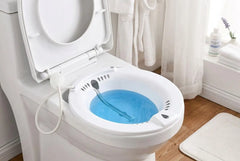
Regardless of the product used, the container makes the difference in use. An appropriate basin allows you to completely submerge the foot, maintain the temperature longer, and clean it easily between uses.
Our range of foot bath basins covers the main formats:
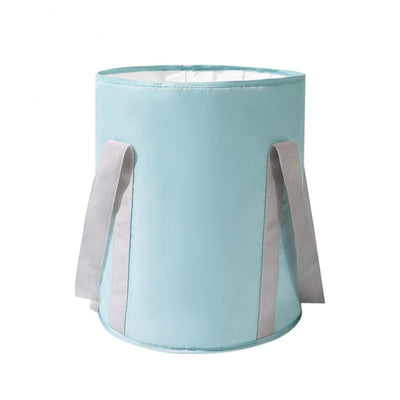
- Collapsible basin: lightweight, retains heat well, and stores easily. Ideal for occasional use.
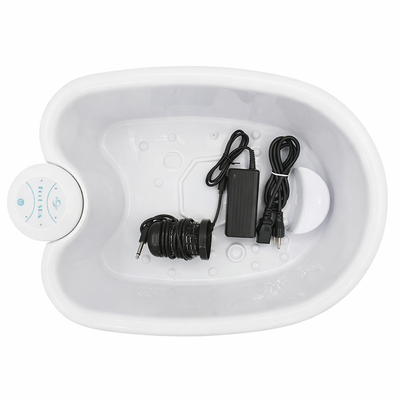
- Basin with textured bottom: its nubs provide a pleasant plantar massage during soaking.
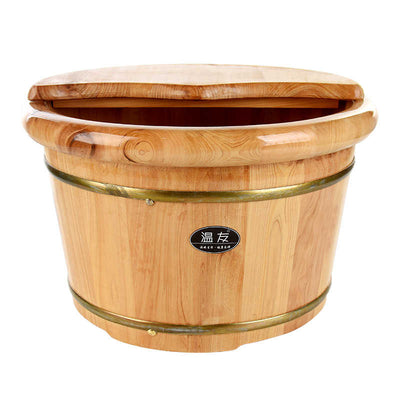
- Wooden basin: more stable and aesthetic, must be dried carefully after each use.
After each bath, clean the basin with hot soapy water and dry it completely. Never let moisture stagnate: it is the primary cause of recurrence.
For everyday comfort use, outside of a medical context, homemade foot baths with salt or baking soda remain the simplest solution.
Frequently Asked Questions
How to use Dakin for a toe or a whitlow?
Dakin is a medication: the dilution, frequency, and duration of soaking must be specified by your pharmacist or doctor, depending on the condition of the skin and the nature of the problem.
What is common sense, however: use a clean basin reserved for this purpose, discard the contents after each bath, and dry the foot thoroughly afterwards. If pain or swelling worsens, consult without delay.
Should you rinse after a Dakin foot bath?
The product instructions specify this point. In case of a burning sensation or irritation, rinsing with clear water is recommended, and it is better to discontinue use.
Avoid leaving the product in contact under an occlusive dressing, and be vigilant on damaged or fragile skin.
Does Dakin act on nail fungus?
No. A chlorinated antiseptic is not an antifungal: it does not treat onychomycosis. It can sanitize the skin around the nail, but it does not replace appropriate treatment.
Nail fungus requires a nail lacquer or antifungal treatment, prescribed after diagnosis. For daily supportive care, check out our article on foot baths in case of fungus.
This article is for informational purposes. Dakin is a medication: refer to its instructions and ask your pharmacist or doctor for advice. This article does not replace medical advice.