

Natural intimate care: a complete guide to healthy intimate hygiene
For natural intimate hygiene, adopt simple habits that are respectful of your body. The goal is to clean thoroughly while preserving the delicate balance of the vaginal flora. Discover the best practices and organic products for daily intimate cleansing with water.
How to perform natural intimate hygiene for women
The first step to good intimate hygiene is understanding the needs of the vulvar area. A simple external wash with lukewarm water, once or twice a day, is sufficient to gently remove impurities and preserve your intimate comfort, without irritating the sensitive skin.
Essential daily habits
Follow a few simple principles. Always wash from front to back, using clean hands and no washcloth. Then, dry by gently patting with a cotton towel to protect your intimate flora.
- Cleaning direction: always from front to back, to avoid infections.
- Ideal temperature: lukewarm water, which is soothing and does not dry out the mucosa.
- Appropriate frequency: one or two washes per day are enough to maintain the balance of good bacteria.
- Gentle drying: pat dry with a clean towel to avoid irritation.
The pH of the genital area is naturally between 3.5 and 4.5, creating a protective barrier. Conventional soaps can disrupt this balance; it is therefore preferable to use a mild intimate cleansing wash, or simply water.
Keep in mind: the inside of the vagina does not need to be washed. It is self-cleaning, and repeated internal rinsing disrupts the flora instead of protecting it. Intimate hygiene is external, performed on the vulva.
Also, remember to urinate after each sexual encounter: this simple action reduces the risk of urinary tract infections.
Intimate hygiene during pregnancy and after childbirth
Intimate hygiene during pregnancy requires special attention, as hormonal changes can alter pH levels and increase secretions. Opt for very gentle cleaning.
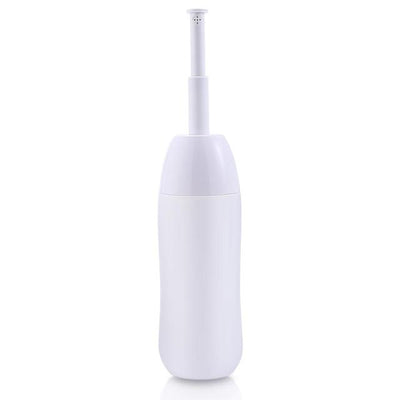
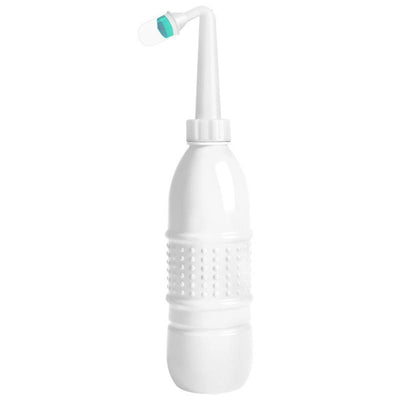
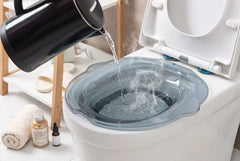
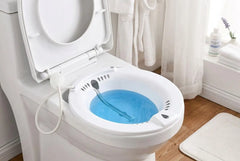
After childbirth, a stream of lukewarm water using a portable bidet or a handheld bidet sprayer soothes the perineum. This is a common recommendation by midwives: water cleans without rubbing and avoids the irritation caused by toilet paper, which supports healing.

Natural products suitable for intimate care
Certain plants with soothing properties, such as calendula and chamomile, complement your intimate hygiene routine well. Aloe vera, known for its moisturizing action, is also one of those natural ingredients well-tolerated by the mucous membranes.
Opt for a certified organic intimate cleansing wash, formulated with few ingredients to limit allergy risks. Ensure it has a physiological pH to respect the vaginal flora in the long term.
Fragrance-free organic and natural products offer the safest use. Choose certified products to combine quality, respect for your body, and effectiveness.
Male and pediatric intimate hygiene
Male intimate hygiene benefits from a natural daily approach. A simple external cleaning with lukewarm water is often sufficient. For greater ease, you can opt for an intimate bidet sprayer, which makes this step much simpler.

Circumcised and uncircumcised men
Intimate hygiene for uncircumcised men requires special attention. It is important to gently retract the foreskin, then clean thoroughly with water or a mild cleanser.
- Gentle retraction of the foreskin: retract without forcing to clean the glans properly.
- Mild soap only: prioritize a specific intimate hygiene gel or simply lukewarm water, avoiding any harsh products.
- Complete drying: pat gently so as not to irritate the sensitive skin and to avoid residual moisture.
For circumcised men, cleaning focuses on the penis and scrotum, with special attention to skin folds, using clean hands. It is best to avoid washcloths, which retain microbes.
Children and adolescents
Intimate hygiene for children requires great gentleness. Natural intimate hygiene consists of washing the outside with lukewarm water. It is crucial never to force the retraction of the foreskin before the age of three.
- Lukewarm water only for babies: this is usually sufficient, without irritating delicate mucous membranes.
- Gentle and patient actions: regular washing and thorough drying prevent irritation.
- Progressive education: learning the right habits early establishes lasting intimate hygiene.
During adolescence, hormonal changes alter the pH and require more vigilant hygiene. Favor cotton underwear and a fragrance-free intimate cleansing gel.
Intimate hygiene during periods
Taking care of your intimate hygiene during menstruation involves revising certain habits. It is recommended to clean the area with lukewarm water to remove residues and limit bacterial risks.
Intimate care during menstruation
An adapted moisturizing treatment reduces irritation caused by repeated contact with sanitary products. Lukewarm water provides an immediately soothing sensation. It is advisable to clean multiple times a day to protect the vaginal flora, which is more vulnerable during this period.
- Increased frequency: two to three cleanings per day to remove blood and prevent infections.
- Lukewarm water preferred: around 37°C, ideally accompanied by organic products.
- Regular change of sanitary products: every 4 to 6 hours.
An organic intimate gel with soothing properties quickly relieves sensitive areas. Avoid scented products, which often increase discomfort.
Reusable sanitary products
Reusable products transform the management of your intimate hygiene. An organic cotton pad can be used many times, which significantly reduces waste. Menstrual panties offer reliable absorption.
- Washable pads: eco-friendly, chemical-free, and very respectful of the body.
- Menstrual panties: comfort, long-lasting protection, and machine washable.
- Menstrual cups: economical and ecological, they can be sterilized in boiling water and last for several years.
These alternatives preserve the balance of the vaginal flora. Adopting these sustainable solutions is beneficial for the planet and for your comfort.
Water-based cleaning: bidets and sprayers
Cleaning with water is a notable improvement for your intimate hygiene routine. Installing a toilet bidet sprayer allows you to benefit from an adjustable water jet at a low cost. This method reduces the use of toilet paper and limits irritation.
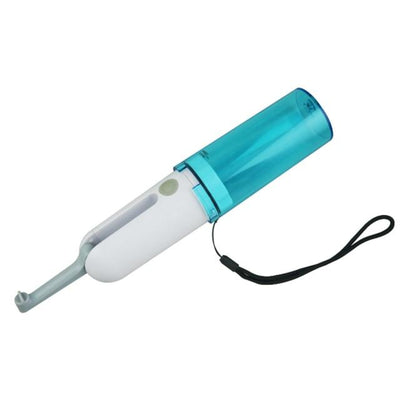
The portable bidet is an ingenious solution for travel or for people who cannot install fixed equipment. Combining it with a mild intimate cleansing wash ideally completes the routine.
| Equipment | Installation | Cost | Water consumption | Advantages |
| Toilet bidet sprayer | 10 minutes, no plumbing | €15-100 | 0.5-1 L | Adjustable jet, economical, simple mounting |
| Portable bidet | No installation | €20-45 | 1-2 L | Ideal for travel and rentals, flexible |
| Japanese toilet seat | Easy installation | €60-480 | 0.3-0.5 L | Adjustable temperature, integrated drying |
| Classic bidet | Complete plumbing required | €700-2300 | 2-3 L | Comfortable but bulky |

Frequently Asked Questions
How can I perform natural intimate hygiene without chemical products?
For natural intimate hygiene, prioritize daily use of lukewarm water, for external washing only. If you desire a more thorough cleaning, opt for a specifically formulated organic intimate cleansing wash. This gentle routine preserves your intimate flora.
Which natural ingredients should I choose for an intimate gel?
Look for natural ingredients like aloe vera, with its soothing properties, or chamomile. These compounds, along with shea butter, moisturize sensitive skin without causing irritation. An organic intimate gel with a physiological pH respects the vaginal flora.
Does frequent cleaning with water unbalance the vaginal flora?
External washing with lukewarm water does not alter the balance of the vaginal flora, unlike some conventional soaps that are too harsh. It is the repeated internal rinsing that should be avoided: the vagina is self-cleaning.
For respectful intimate hygiene, water alone or a mild intimate gel with an adapted pH is sufficient to preserve your natural barriers.
This article is provided for informational purposes and does not replace medical advice.