

Why Toilet Paper is a Disaster
Toilet paper is one of those everyday products we all use without thinking. Yet, its use has a real impact on the environment as well as our comfort. Beyond its ecological footprint, the composition of toilet paper often contains unwanted chemicals, notably PFAS ("forever chemicals") and bisphenol A.
The impact of toilet paper on the environment and deforestation
Toilet paper production requires a lot of water and natural resources. Making a single roll consumes about 140 liters of water, and it is estimated that some 15 million trees are cut down annually in Europe for this purpose, contributing to deforestation and habitat loss for wildlife. Furthermore, the pulping and drying of paper generate significant CO₂ emissions. The impact of toilet paper on ecosystems is therefore considerable.

Reducing your expenses: real savings
Annual toilet paper consumption represents a considerable cost for a household. Expect to pay about €90 per person per year: a French family of 4 can therefore save nearly €360 per year by replacing paper with alternatives like a portable bidet or a bidet sprayer, while also significantly reducing their carbon footprint.
Toilet paper, chemicals, and irritation
Toilet paper often contains residues of chemicals: chlorine bleaching agents, PFAS (persistent substances), or bisphenol A found in certain recycled papers. These elements can irritate mucous membranes. Moreover, the friction of rough paper causes micro-irritations that weaken the skin.
Toilet paper can thus cause irritation and skin reactions, particularly if it contains bleaching agents, fragrances, or dyes that are harsh on sensitive mucous membranes. For reactive skin, an irritating toilet paper is enough to trigger lasting discomfort—this is one of the primary reasons our customers switch to cleaning with water.
Alternatives to toilet paper
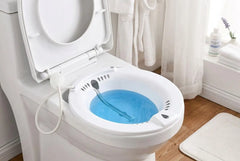
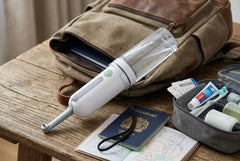
A true ecological alternative to toilet paper exists: it is natural, much cheaper, and better for both your skin and the environment. Thanks to portable bidets or Japanese toilets, you can clean yourself effectively with water, anywhere, without chemical residues.
- In just two months of daily use, you will have paid off the cost of purchasing a portable bidet and will continue to save money for years to come. This alternative offers cleaning with water, without irritating chemicals, at home or on the go.
- A Japanese toilet kit is very easy to install in your home in just a few minutes, with no drilling or electrical connection required. The entire cost is covered by the toilet paper savings made in less than a year.
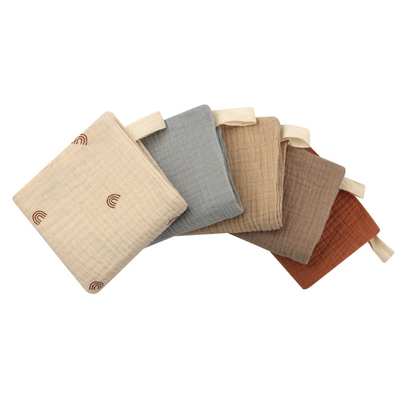
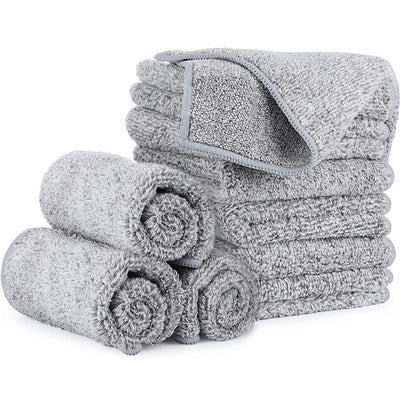
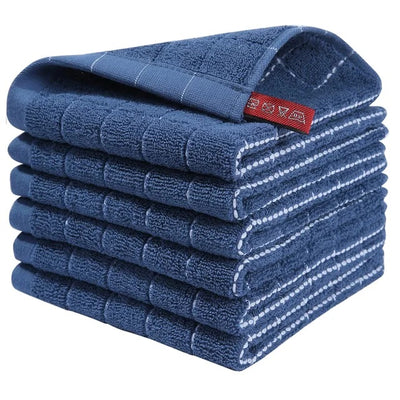
- Washable toilet paper complements water cleaning for gentle, reusable drying as part of a zero-waste lifestyle.
To go further, "derivative bathing" (bain dérivatif) is a natural complementary practice: it consists of cooling the perineum with cold water or a gel pack. It is traditionally associated with blood and lymph circulation, detox routines, and comfort in case of hemorrhoidal discomfort. Discover the benefits of the derivative bath.
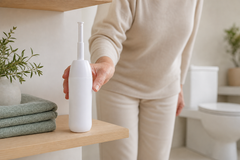
Water-based hygiene solutions are widely presented as the best alternatives to toilet paper. Wet wipes, often offered as a substitute, should be avoided: they frequently contain irritating substances and pose a real problem for plumbing. The true alternatives to toilet paper remain the portable bidet, the bidet sprayer, and washable toilet paper.
So, the next time you use toilet paper, take a moment to consider its impact on the environment, your skin, and your budget. You will find all the necessary equipment on our shop to replace toilet paper, suitable for all budgets and uses.
Faced with the limitations of toilet paper, more and more people are looking for a truly hygienic and practical alternative. This is precisely what explains the growing interest in the portable bidet. Discover the 5 good reasons to buy a portable bidet.
Frequently Asked Questions
Is toilet paper bad for your health?
Beyond the skin discomfort it can cause, the primary concern is its environmental footprint. Solutions exist: portable bidets and Japanese toilets. Recycled toilet paper, made from recovered fibers, also helps reduce one's ecological footprint while remaining comfortable for daily use.
Which toilet paper is the least toxic?
Points to watch for include the presence of chlorine, synthetic fragrances, whiteners based on volatile organic compounds (VOCs), or chemically treated fibers. Papers certified "FSC" or "PEFC" come from sustainably managed forests and, when 100% recycled, contain few or no virgin fibers. Bamboo toilet paper is an interesting alternative: bamboo grows quickly, requires few fertilizers, and, when unbleached, releases no chlorine residues.
Can toilet paper cause infections?
It can sometimes become a source of microbes if certain conditions are met. Paper that is too rough or worn can irritate the delicate skin of the perineum, creating small micro-fissures that facilitate the entry of bacteria like Escherichia coli or yeasts of the Candida genus. Furthermore, if paper is stored in a damp place, it can harbor germs. Finally, excessive use of scented paper or paper containing chemicals can disrupt the skin flora.
What will replace toilet paper?
Several alternatives are gaining popularity and could become the norm: electronic bidets and hygienic sprayers. Electronic bidets, already common in Japan, spray warm water and offer features such as warm-air drying. Hygienic sprayers, small water jets attached near the toilet, are a simple and inexpensive option that is easy to install on most toilets.
Concretely, a family that adopts one of these solutions reduces its paper consumption by 70 to 90%, which is about €90 in savings per person per year.