

Bidet vs. Toilet Paper: Which Is Cleaner?
If you have spent your entire life in the West, you have probably gotten into the habit of using exclusively toilet paper in the restroom.
But if you have visited Japan or certain European countries like Spain or Italy, you have inevitably come across a good old bidet.
And perhaps you do not even know what a portable bidet is — but come on, make a little effort: those accessories that clean you with water thanks to a directed jet. See our article dedicated to the history of the bidet.
Know this: bidets are not only more hygienic than toilet paper, but also much more eco-friendly. You may have heard of them, while considering them a quirk from elsewhere? Yet, once you have used a portable bidet, you won't look back. After the toilet paper shortage of 2020, many took the plunge and never regretted it.
Bidets, in all their forms, are eco-friendly, sustainable, and less expensive over time. Despite their growing popularity, they still carry a reputation that many do not want to shed, due to a long-standing attachment to toilet paper. The dilemma is simple.
Which of the two cleans better?
The directed water jet washes, while dry paper merely smears. It's as simple as that: fecal matter is naturally water-soluble, meaning it dissolves easily in water.
If you inadvertently stepped barefoot in dog poop, would you use dry paper to wipe it off, or would you rinse it with running water? The answer is obvious.
Does toilet paper cause irritation?
Not only does toilet paper clean poorly, but the act of wiping itself can damage the skin. Since the dry roll is abrasive, wiping hard or too often irritates the delicate skin of the anus, or even causes small lesions, leading to pain and bleeding.
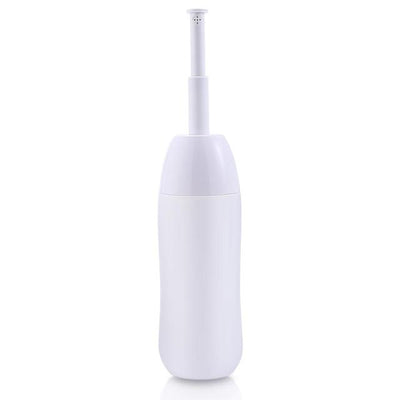
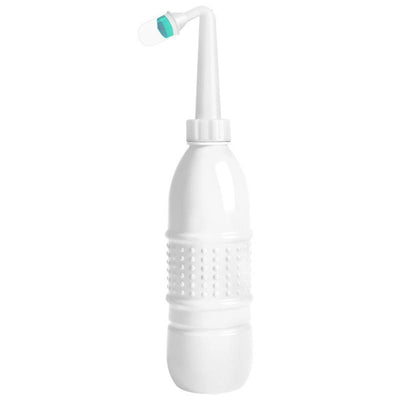
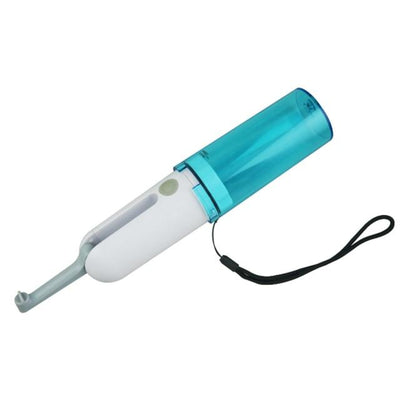
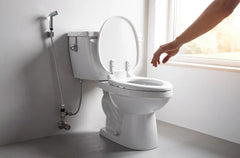
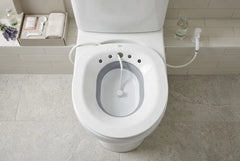
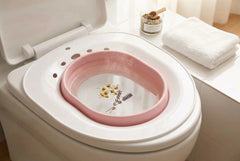
The best solution remains using a portable bidet as soon as possible. These accessories work by projecting a moderate jet of water, which eliminates residue. All you have to do is absorb the excess water with a small sheet of paper — or, better yet, a washable towel.
The portable bidet is particularly appreciated by people prone to intimate discomfort. It is traditionally recommended in cases of anal itching, hemorrhoids, or fissures. Anal pruritus actually affects a significant portion of the population: if you are concerned, the first step is to identify the cause with your doctor. In any case, the general recommendation is to avoid anything that can irritate the area — toilet paper first and foremost.
Which device actually saves water?
Some claim that bidets waste more water and are not eco-friendly. That is forgetting that the paper industry consumes considerable quantities of water to manufacture the rolls. By comparison, the amount used by a portable bidet is negligible.
A portable bidet uses about 300 ml of water per cleaning, when a standard toilet uses 9 liters per flush. And manufacturing a single roll of toilet paper requires about 140 liters of fresh water, not counting the energy and wood. Paper also poses real problems downstream: it clogs pipes and burdens water treatment plants.
Which option is the most environmentally friendly?
Bidets use water, but the advantage is clear: you use far fewer resources than with paper alone. Knowing that the average European uses one to two rolls per week, and that one tree produces about 200 rolls, the math is quickly done.
Adding a bidet to your home helps save both water and trees, which considerably reduces the ecological footprint — in addition to being economical: about €90 per person per year, or nearly €360 for a family of four.
Discover our collection of portable bidets and switch to water.