

Derivative bath definition: understanding derivative baths and their benefits
This article provides a detailed explanation of what a perineal bath (bain dérivatif) is and how this natural method works. You will discover its definition, its history, as well as the effects attributed to it by those who practice it. It is a simple wellness practice to perform at home, without the need for expensive equipment.
What exactly is a perineal bath
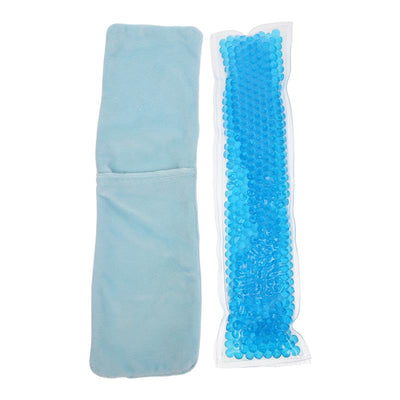
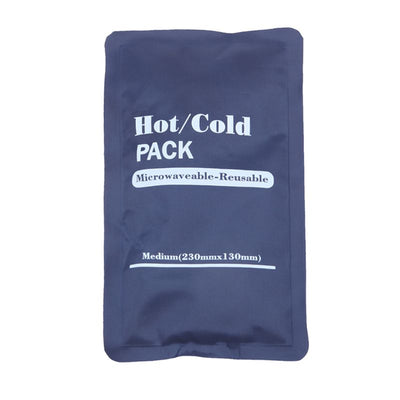
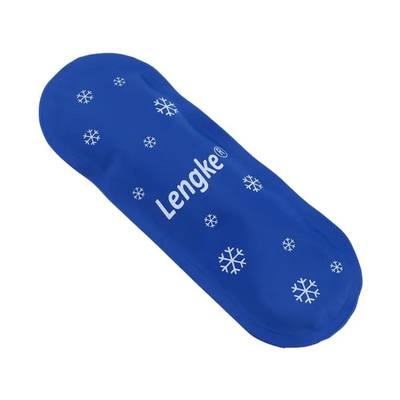
The perineal bath technique involves applying cold to the perineal area. To do this, a damp washcloth, a gel pack, or a simple basin of cool water is sufficient. This gentle approach requires no sophisticated equipment.

Definition and origin of the practice
The term "derivative" refers to the idea, central to the hygienist approach, that cold helps move toxins toward the intestine to facilitate their elimination. The exclusive use of very cold water clearly distinguishes this practice from a simple wash. So, why do a perineal bath? Primarily to stimulate the metabolism and support natural elimination functions.
The origin of this technique dates back to the 19th century with Louis Kuhne, who popularized the friction sitz bath. Later, the practice was modernized: gel packs worn in underwear replaced soaking in cold water, making the method compatible with a workday.
Difference between a sitz bath and a perineal bath
Understanding the difference between a sitz bath and a perineal bath is essential for tailoring your routine. A standard sitz bath often uses heat to soothe a sensitive area. The derivative method, however, uses only cold.
- Water temperature: a sitz bath is practiced in lukewarm or cold water, whereas a perineal bath requires targeted coolness.
- Duration: a sitz bath lasts 10 to 15 minutes; a perineal bath session with a gel pack can last for several hours.
- Mobility: the basin keeps you stationary; the pack goes everywhere with you.
- Desired effect: lukewarm water provides local relief, while cool water is associated with the overall elimination system.
Note that the postpartum period often calls for lukewarm water to protect the perineal area. This postpartum sitz bath is easily prepared using a suitable basin.
How to perform a perineal bath at home
This practice is very simple. Fill a container with cool water, then sit comfortably to immerse the perineal area for 10 to 15 minutes. It is traditionally recommended to massage gently in the direction of the groin.
After the session, dry yourself gently with a clean towel before getting dressed. For a much simpler daily practice, the gel pack is an excellent alternative to the basin: it slips into your underwear and leaves you free to move about.
Mechanisms and benefits of perineal baths
Understanding how perineal baths work helps you better benefit from the practice. Targeted application of cold to the perineum is described as triggering reactions that spread throughout the body, with a desired effect on blood circulation and the natural elimination of toxins.

How perineal cold acts on the body
Cooling the perineal area first causes vasoconstriction, then a compensatory vasodilation that increases local circulation and lymphatic drainage. It is this temperature gradient that is at the heart of the detox process associated with the perineal bath.
- Local comfort: cold is the traditional reflex in case of heat or discomfort in the area.
- Brown fat: regular exposure to cold is associated with the activation of this "good fat" that the body burns to generate heat.
- Soothing: local coolness is appreciated for relaxing the perineal area.
In the hygienist approach, the body reacts to thermal variations through subtle and continuous fluid movements, carried by the fascia, the membranes that envelop the tissues.
Detox, metabolism, and effects on weight
Wondering why do perineal baths regularly? Weight loss is what motivates most of our customers: regular cold exposure is associated with the activation of brown fat, unlike the white fat that the body stores. Next comes the detox approach, in the broad sense of a lifestyle that supports elimination functions, and cellulite, a recurring reason for practitioners.
Like any habit of this type, the practice proves its worth over the long term and when combined with a healthy lifestyle: walk daily and chew your food thoroughly.
Effects on digestive comfort, sleep, and balance
Beyond metabolism, practitioners readily report better general comfort. Cold applied to the perineum is described as soothing, and evening practice is often associated with falling asleep more easily.
- Facilitated transit: this is one of the most frequent pieces of feedback, with less constipation and bloating.
- Inflammatory discomfort: cold is the traditional reflex for hemorrhoidal discomfort, heavy legs, or menstrual pain.
- Daily balance: many women mention better comfort during their cycle and through menopause.
These feelings develop with regular and diligent practice: most practitioners mention a few weeks before the habit is established.
Efficacy, precautions, and tips
It is fundamental to be well aware of the precautions related to this technique to practice it safely.
What practitioners report
Reviews on perineal baths are mostly positive among regular practitioners, who report better transit, greater calm, and relief from circulatory discomfort. Consistency is the determining factor.
- User feedback: more comfortable digestion quite quickly, and progressive improvement in the silhouette after several months of practice.
- Progressive improvement: the benefits of the perineal bath set in over time, provided you are consistent.
- Individual variability: results also depend on your diet and sufficient physical activity, such as walking.
Adapt the duration of each session to your constitution. A balanced diet rich in healthy fats naturally complements the process.
Contraindications and precautions
Although it is a gentle method, the perineal bath is not suitable for all situations:
- Pregnancy: the practice is not recommended during pregnancy.
- Heavy periods: instead, prefer a warm pack applied to the lower abdomen.
- Heart or circulatory disorders, loss of local sensitivity, urinary tract infection: seek your doctor's advice.
- After surgery or in case of high fever: wait for the approval of a healthcare professional.
- Never directly on the skin: the protective towel is essential, otherwise there is a risk of cold burns.
Also avoid any sessions during digestion: wait at least two hours after a heavy meal. Stop immediately if you feel dizzy or have intense chills, and cover yourself well after each session.
Tips for optimizing each session
It is imperative to keep the rest of your body warm. It is this thermal contrast localized at the perineum and groin that makes the practice worthwhile and prevents chills.
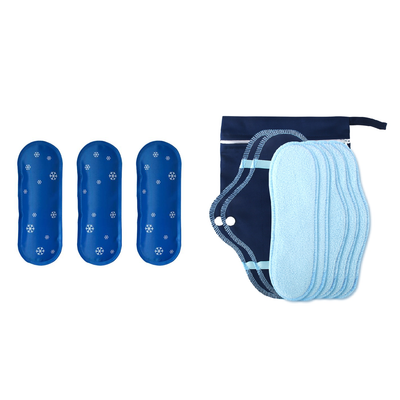
If you use a gel pack, replace it as soon as it starts to warm up. Start with 20 to 30 minutes in the evening, then lengthen at your own pace: with the 3 packs in the kit rotating, many reach several hours a day.
Frequently asked questions
What exactly is a perineal bath?
A perineal bath is a simple technique that consists of applying localized cold to the perineal area, without full body immersion. One uses cold water with a washcloth, or a refrigerated gel pack worn in the underwear.
By bringing this coolness to the perineum and groin, the method is traditionally associated with the elimination of toxins and the stimulation of the lymphatic system.
What are the main benefits of perineal baths?
Weight loss is what motivates most practitioners, as regular cold is associated with the activation of brown fat. Next comes the detox process, digestive comfort, and a general feeling of lightness.
Feedback also mentions more restful sleep and sought-after relief for hemorrhoidal discomfort, heavy legs, or menstrual pain. These feelings appear gradually, with consistency.
Are there any contraindications?
The practice is not recommended during pregnancy, during heavy periods, after surgery, in case of heart or circulatory disorders, loss of local sensitivity, or urinary tract infection.
Never apply the pack directly to the skin: always use the protective towel. Also, avoid sessions right after a meal. When in doubt, seek your doctor's advice.
The perineal bath is a wellness practice. It does not replace medical advice or treatment.