

Yoni Steam: a relaxing and health-beneficial practice
What is a yoni steam, this intimate steam bath?
An intimate steam bath, or yoni steam in English, is an ancient practice that consists of sitting over a basin of hot aromatic water in order to enjoy the steam rising from it. It is particularly popular with women as a ritual for relaxation and intimate care.
Yoni is a Sanskrit word that literally means "womb," "source," or "female genital organ." It refers to the vagina and uterus, but also to the feminine principle of creation and regeneration in Hindu and Tantric traditions. It is found in religious symbols representing the goddess Shakti, considered the source of life. Practicing a yoni steam therefore means participating in this tradition.
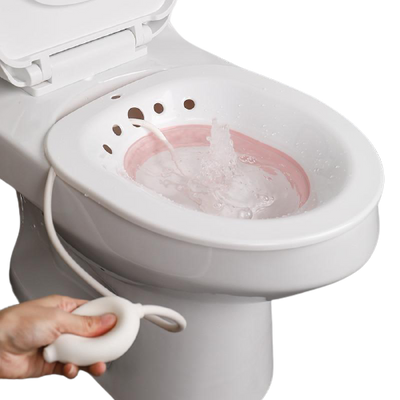
The yoni steam bath can be done at home, in a spa, or at a wellness center. To do a yoni steam at home, you simply need to fill a suitable basin with hot water and place it on the floor, or on your toilet for maximum comfort. Add a few drops of essential oils or aromatic herbs, and sometimes sea salt or baking soda. Once the water is infused, sit over it, covering your legs with a towel to retain the heat and steam.

If you do not want to practice on the floor, simply place the basin on the toilet seat. This has several advantages:
- Comfort: you remain seated throughout the entire session, which is much more pleasant than squatting.
- Stability: the seated position allows you to relax completely.
- Ergonomics: it does not strain the knees, hips, or back.
- Simplicity: the session is set up in two minutes, without any special installation.
How long does a yoni steam session last?
A yoni steam bath session generally lasts 20 to 30 minutes. Be careful never to soak in the water to avoid any risk of burns: the water temperature should remain between 45 and 55 °C, and you must maintain at least 15 cm between your skin and the surface.
If you feel the slightest discomfort, listen to your body and stop the session. The goal is to feel good. After the session, rest for a few minutes.
Yoni steam: the sought-after benefits
The yoni steam is traditionally practiced for several reasons. First, it allows you to gently cleanse the vulvar area — the inside of the vagina self-regulates and never needs to be cleaned. The heat from the steam is also the oldest reflex for soothing menstrual pain and cramps. It is also reputed to be good for the skin and circulation. Finally, a yoni steam bath is a relaxing practice that helps release tension and offers a true moment of relaxation.
Soothing menstrual pain and cramps
The herbs traditionally used in the steam bath, such as chamomile and peppermint, combined with heat, are reputed to help relieve cramps and bloating. This is actually the primary motivation for women who adopt the practice: many report a clear decrease in the intensity of their menstrual pain after a few regular sessions.
Stimulating pelvic circulation
The heat promotes blood flow in the pelvic region. This is the very principle of all hot applications in hydrotherapy, and what yoni steam practitioners are looking for.
Freshness and comfort in daily life
The plants traditionally used — lavender, calendula — are considered soothing. They are used for their softening effect on the skin of the vulva and against feelings of discomfort.
Yoni steam and fertility
The intimate steam bath is considered by several traditions to support fertility, for various reasons:
- Stimulation of blood circulation: hot steam increases blood flow to the pelvic region, which, according to traditional approaches, supports the health of the ovaries and uterus.
- Tissue toning: steam is said to soften and tone mucous membranes, according to practitioners of the method.
- Comfort and lubrication: heat is traditionally associated with better hydration of the tissues.
- Soothing: the medicinal herbs used in steam baths are known for their softening properties.
- Relief from cycle symptoms: this is the effect most reported by practitioners, and often the starting point for beginning the practice.
However, the yoni steam bath is not suitable for all women: speak to your doctor or midwife before starting, especially if you are planning a pregnancy or are undergoing fertility treatments. There are contraindications, detailed below.
Taking care of your intimate area daily
A few simple principles are enough:
- Gentle hygiene: clean the vulva with clear water or a soap with a physiological pH. Avoid scented products, which irritate mucous membranes. The inside of the vagina does not need washing.
- Balanced diet: it supports general health, and therefore intimate health.
- Regular physical activity: exercise improves circulation and pelvic comfort.
- Gynecological check-ups: consult regularly, and at the slightest unusual symptom.
- Simple products: favor gentle care based on natural ingredients and avoid harsh formulas.
- Care rituals: the intimate steam bath and the sitz bath naturally find their place in a wellness routine.
Yoni steam recipes: which plants to choose?
Many plants are suitable for a yoni steam. Here are the most commonly used blends:
- Simple herbs: chamomile, peppermint, sage, thyme, calendula. Boil a handful of herbs in a liter of water, transfer to the basin, sit over it, and stay for 20 to 30 minutes.
- Ayurvedic herbs: shatavari, ashoka, and lodhra, traditionally used to tone tissues. Same preparation.
- Essential oils: a few drops of lavender, Roman chamomile, or rosemary, always diluted beforehand in a dispersant. Perform a skin test before the first use.
- Chinese herbs: Chinese angelica (dong quai), motherwort, and raspberry leaf, used for a long time in traditional Chinese medicine.
- Complete blend: lavender, rosemary, yarrow, and calendula, for a balanced, both soothing and toning steam bath.
Some plants are not suitable for everyone: seek the advice of a healthcare professional before you start, and make sure you are not allergic to them. Always favor plants from organic farming to limit exposure to pesticides.
Contraindications and precautions for yoni steam
While an enjoyable practice for many women, the intimate steam bath still involves precautions that must be scrupulously followed.
- Active infection: in the case of bacterial vaginosis or a yeast infection, steam can worsen symptoms. Consult before any session.
- Burns and irritation: heat can irritate an already sensitive area. Always check the temperature and keep at least 15 cm between your skin and the water surface.
- Allergies: always test the infusion on your forearm before the first session.
- Pregnancy: yoni steam should be avoided throughout pregnancy. Heat applied to this area is not recommended.
- Frequency: never daily. A maximum of once or twice a week to preserve the natural balance of the flora.
Situations to absolutely avoid
- During periods and throughout pregnancy
- In case of an intrauterine device (IUD), history of herpes, or clotting disorders
- During an active vaginal infection
- After recent surgery (caesarean section, unhealed episiotomy)
Essential safety rules
- Maintain a water temperature below 55 °C
- Do not exceed 20 to 30 minutes per session
- Keep a minimum distance of 15 cm from the water surface
- Clean the basin thoroughly after each use
- Seek the advice of a healthcare professional if in doubt
Yoni steam, a practice to approach mindfully
We have seen what the yoni steam, this intimate steam bath, provides and the precautions that surround it — especially during periods and pregnancy.
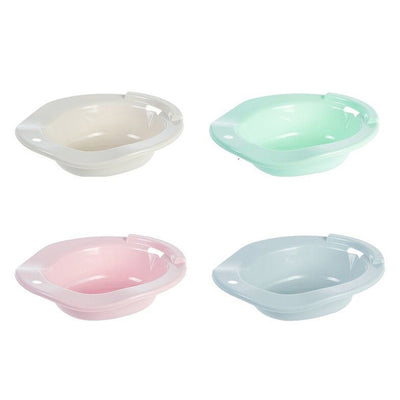
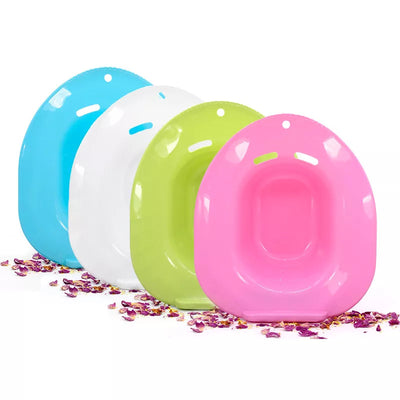
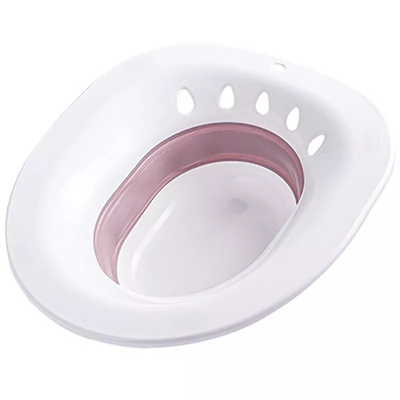
It is an ancient practice, simple to implement, that can be done at home in complete tranquility and on a very accessible budget. We offer a range of basins for sitz baths perfectly adapted to the yoni steam bath, from the most economical models to the most complete ones. The sitz bath basin is placed directly on the toilet seat: this is the simplest format to get started.
However, remember to talk to your doctor before starting, as there are contraindications. By respecting them, the yoni steam remains a pleasant and trouble-free wellness ritual.
If you wish to deepen your understanding of the meaning of yoni and its traditional uses, we invite you to explore Tantric and Ayurvedic traditions.
The intimate steam bath is a wellness practice. It does not replace medical advice or a prescribed treatment: in case of gynecological symptoms, consult a healthcare professional.