

Sitz bath for vaginal yeast infection: an effective remedy or not?
A sitz bath is often used when intimate itching, vulvar irritation, or a burning sensation in the private parts appears. This practice can help soothe the genital area on a daily basis, gently, but it does not replace treatment or professional advice in the event of a vaginal infection.
Recognizing a vaginal yeast infection and its symptoms
A vaginal yeast infection corresponds to fungal proliferation, most often linked to candida albicans, which is already present in the vaginal flora.
When this balance is disrupted, the vulva and the entrance to the vagina become more sensitive. A sitz bath can then offer a moment of comfort: in practice, it is a local treatment intended to soothe, not to eliminate an infection on its own.

What are the signs of a vaginal yeast infection?
The most common signs are quite recognizable. Many women first describe itching around the vulva, then a burning sensation at the entrance to the vagina, sometimes accentuated when urinating or during intercourse.
- Intimate itching around the vulva and vagina.
- Local burning in the genital area, with daily discomfort.
- Redness or swelling of the vulva.
- Thick white discharge, often associated with a vaginal yeast infection.
The goal is to recognize the signs without waiting, and then to discuss the correct treatment with a professional if the discomfort persists.
Vaginal irritation or yeast infection, how to tell the difference?
Irritation linked to friction, recent hair removal, or an ill-tolerated product often affects the private parts in a more diffuse way. It can be unpleasant, but it is less often accompanied by thick discharge, which helps to distinguish it from a fungal infection.
A vaginal yeast infection is more suggestive of marked itching, a red vulva, and more distinct discomfort at the entrance to the vagina.
Other situations also exist, such as vaginal dryness or an imbalance of the flora. If in doubt, especially in case of unusual symptoms, it is better to consult.
When to see a doctor for a vaginal infection or yeast infection?
If the symptoms persist beyond 5 days despite comfort care, a consultation becomes useful. The same logic applies if episodes recur several times a month: this can signal a wider imbalance of the vaginal flora.
Deeper pain, fever, or a rapid worsening of itching also require medical attention.
For pregnant women, new mothers, and people already undergoing treatment, caution is required. Before using a local treatment on the vulva or genital area, it is best to seek advice from a healthcare professional.
The sitz bath to relieve a yeast infection
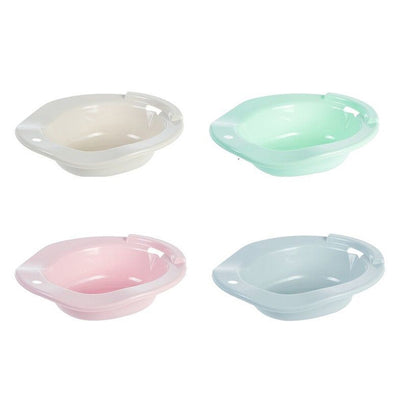
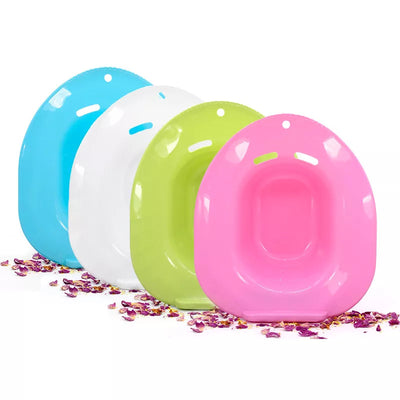
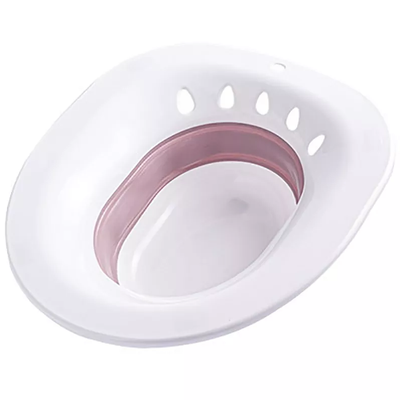
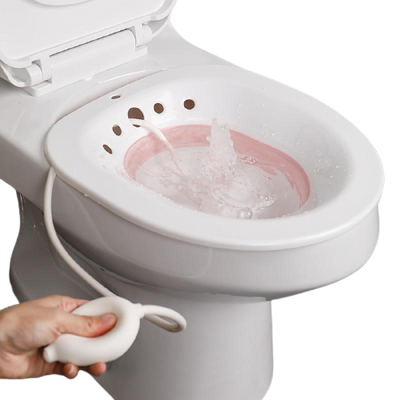
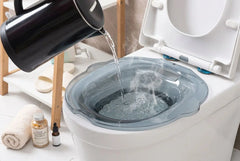
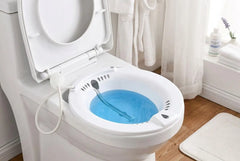
The sitz bath is a gentle hygiene practice often appreciated when a vaginal yeast infection causes discomfort, heat, or irritation. It does not replace treatment but can complement the intimate routine with more comfort. A suitable basin, placed on the toilet bowl, makes it easy to use without permanent installation.
Warm or cool water depending on the discomfort
The choice of temperature depends mainly on what is most bothersome. Warm water, between 37 and 38°C (98.6–100.4°F), is sought to soothe burning and provide a feeling of relaxation. Conversely, cool water, between 10 and 20°C (50–68°F), is often chosen when the vulva feels swollen or very hot.
In both cases, the rinsing remains external: the vulva and the perineum, never inside the vagina, which regulates itself.
A steam bath is sometimes used as a variant. It is associated with a feeling of more diffuse relaxation, but requires more precautions regarding the heat.
| Type of bath | Temperature | Effect sought | Symptoms targeted |
| Warm bath | 37 to 38 °C | Soothes, relaxes, cleanses gently | Burning, irritation, daily hygiene |
| Cool bath | 10 to 20 °C | Soothes the sensation of swelling and local heat | Vulvar swelling, local heat |
| Steam bath | Gentle steam, from a distance | Feeling of lightness | Tension, diffuse discomfort |
How to use the sitz bath basin
Before starting, always check the water temperature. Water that is too hot can increase irritation of the vulvar area. A simple basin to place on the toilet bowl helps to prepare this step calmly, with the right water level: 5 to 10 cm is enough.
This water cleansing is often better tolerated than toilet paper when a yeast infection makes the skin and mucous membranes more sensitive: less mechanical contact, more gentleness.
For practical use, the sitz bath basin with built-in drain limits the risk of overflow and fits 99% of standard toilets. Once the bath is over, dry the vulva gently with a clean towel, by patting it dry. If the discomfort persists or the yeast infection returns often, medical advice remains preferable.
Recipes for baking soda sitz baths against yeast infections
Among the natural solutions often chosen for intimate hygiene, the baking soda sitz bath comes up regularly during a yeast infection. This comfort measure is mainly sought to soothe the vulva and manage discomfort, without replacing a treatment.

Step-by-step baking soda recipe
- Prepare the basin: clean the basin thoroughly before use, then pour in 2 to 4 liters of warm water at 37–38°C.
- Add the baking soda: incorporate 1 tablespoon of food-grade baking soda per liter of water, then mix until completely dissolved. Undissolved deposits can become abrasive on the mucous membrane.
- Take the sitz bath: sit in the basin for 10 to 15 minutes, without exceeding 20 minutes, then gently dry the intimate area without rubbing.
In practice, this type of action is used as occasional support, in addition to professional advice if the discomfort persists. On already damaged mucous membranes, clear water alone is preferable.
Apple cider vinegar or aloe vera, other natural remedies
Other natural remedies are sometimes mentioned alongside baking soda. Apple cider vinegar, always highly diluted, can be added to the sitz bath water. Aloe vera is better applied directly to the outer skin for its sensation of freshness and softness. Daily, these home remedies remain comfort measures and not a treatment for candida.
If the irritation, discharge, or discomfort lasts, it is better to ask for the advice of a healthcare professional.
Tea tree sitz bath and other remedies to know
For a sitz bath, caution is required: the vulva and the entire genital area react quickly to substances that are too concentrated, with a risk of additional irritation.

Tea tree and lavender: use them with caution
A tea tree sitz bath is sometimes considered to soothe discomfort. One rule overrides all others: an essential oil is never poured directly into the water. Because it is insoluble, it remains on the surface and concentrates on the mucous membrane, right where you were trying to find relief.
- Mandatory dispersant: first mix the drops into a spoonful of honey, milk, vegetable oil, or coarse salt, then pour this preparation into the water.
- Tea tree: 2 to 3 drops maximum, previously dispersed, for an immersion of 10 to 15 minutes, at most once a day.
- Fine lavender: a few drops dispersed in the same way, for a more soothing sensation.
- Prior test: apply the already diluted mixture to a small area of skin and observe for twenty-four hours before the first session.
- Pregnancy and breastfeeding: essential oils are contraindicated for this use. Seek the advice of a healthcare professional.
Tea tree and lavender can accompany a comfort routine, but they do not replace a suitable treatment in case of a yeast infection.
Gestures to avoid in case of a yeast infection
Apple cider vinegar sitz baths often come up in home practices. They require the same restraint: 1 tablespoon in a large volume of water, no more, to limit the risk of irritation to the mucous membrane.
- Internal vaginal douches: to be avoided, as they disrupt the natural balance of the vaginal environment.
- Pure essential oils: on the genital area, they can irritate quickly.
- Garlic applied to the vulva: this old wives' tale circulates a lot, but it calms nothing and increases irritation.
- Harsh washing products: scented care products are not the most suitable; mild soap or plain water are better for daily use.
- Tight or synthetic clothing: they maintain heat and humidity around the mucous membranes, a context that is not very comfortable in case of a yeast infection.
Clean water, a clean container, and few additives. In addition to treatment, this type of sitz bath can be considered as a comfort measure, never as an internal treatment.
Sitz bath: a support, not a treatment
A sitz bath can soothe itching, burning, and the feeling of tension in the intimate parts. However, it does not constitute a treatment for the yeast infection and does not eliminate the candida responsible for the fungal proliferation.
Treatment and home remedies: what to distinguish
Natural remedies, such as baking soda or a sitz bath, can provide temporary relief, but they do not replace a treatment directed against candida albicans.
Local antifungals, prescribed or recommended by a professional, are used to target the yeast infection. Oral treatment can also be offered if the situation justifies it.
- Local treatment: depending on the situation, recommended by a pharmacist or prescribed by a doctor.
- Oral treatment: sometimes considered if local care is not enough.
- Sitz bath: comfort measure to be carried out in parallel, without replacing the treatment.
- Home remedies: to be handled with caution, as aggressive applications can irritate and unbalance the vaginal flora.
Preventing vaginal yeast infection without irritating private parts
Cleansing with water, with mild soap if necessary, helps respect the vaginal flora. Overly aggressive actions or unsuitable products can, on the contrary, weaken this balance. A plain water sitz bath allows you to maintain a clean feeling without rubbing.
- Choose cotton: it lets the intimate area breathe better.
- Avoid very tight clothing: they maintain heat and humidity.
- Maintain gentle hygiene: water and mild soap, without any internal action.
- Stay cautious with baking soda: even among natural remedies, not everything is good to apply regularly to mucous membranes.
In daily life, it is above all these simple adjustments that help limit recurrences. If the yeast infection returns often, professional health advice remains indicated to guide the treatment and check what is disrupting the vaginal flora.
Frequently Asked Questions
Can a sitz bath relieve the itching of a vaginal yeast infection?
A warm sitz bath, between 37 and 38°C for 10 to 15 minutes, can relieve the itching of a vaginal yeast infection and soothe the external area, particularly around the vulva. Rinsing remains external: one never washes the inside of the vagina, which regulates itself. In case of persistent discomfort, discharge, or uneasiness, it is preferable to seek advice from a healthcare professional.
How to take a soothing sitz bath at home?
Fill a clean basin with 5 to 10 cm of warm water, at 37–38°C. Some people occasionally add a tablespoon of food-grade baking soda per liter, well dissolved. Sit for 10 to 15 minutes, without exceeding 20 minutes, then dry the area gently by patting, without rubbing.
Which products should absolutely be avoided when you have a yeast infection?
Avoid scented products, harsh cleansers, vaginal douches, and any internal action likely to unbalance the vaginal flora. Essential oils are never poured pure into water: they require a dispersant. And garlic, often cited as an old wives' tale, has no place on the vulva.