

Hemorrhoid sitz bath: hot or cold water for relief?
You may be wondering whether it is better to use hot or cold water to soothe your hemorrhoids? We explain how a sitz bath at the right temperature provides significant relief. The choice depends mainly on the nature of your hemorrhoidal crisis.
Hot or cold water to soothe hemorrhoids during a crisis
During an acute hemorrhoid flare-up, characterized by pain, cold water is generally recommended. It induces vasoconstriction, thereby reducing blood flow to the hemorrhoidal veins. This reaction helps provide quick relief and contributes to a rapid reduction in edema and any potential bleeding.
Why cold is preferred during an acute crisis
Cold water acts as a natural anesthetic that quickly relieves pain and itching. It also soothes the burning sensation characteristic of a hemorrhoidal crisis. Taking a sitz bath cold for a few minutes effectively helps reduce swelling.
Cold also has a hemostatic effect by constricting dilated blood vessels. It therefore helps stop bleeding and other associated symptoms. This treatment is particularly effective in cases of hemorrhoidal crisis accompanied by bleeding.
External hemorrhoids: the cold bath as a first-line treatment
External hemorrhoids, which are often inflamed and very painful, react favorably to a sitz bath with cold water. This temperature helps limit vascular congestion in the area. It soothes inflammation and the symptoms associated with hemorrhoids.
Conversely, hot water causes vasodilation, which dilates the vessels and increases swelling. Its use is therefore not recommended during an active crisis. You will not be able to soothe hemorrhoids effectively with this method.
When lukewarm water becomes the right option
Internal hemorrhoids, generally less painful on the surface, respond very well to lukewarm water. This temperature soothes the discomfort felt without risking the aggravation of inflammation. If your tolerance is limited, do not hesitate to alternate between cold and lukewarm water according to how you feel.
The use of lukewarm water gently stimulates local blood circulation without exacerbating the pain. This thermal compromise is ideal during the recovery phase. It helps maintain good intimate comfort after the hemorrhoid flare-up.
Duration and frequency of the hemorrhoid sitz bath
The ideal duration and frequency of a sitz bath depend on the intensity of the crisis and your associated symptoms. Following these recommendations considerably improves the effectiveness of the treatment and helps better protect the anal region against potential complications.

How many minutes per session depending on the temperature
Regarding the duration of the sitz bath for hemorrhoids, the recommended time varies according to the water temperature. Using cold water, plan for 5 to 10 minutes maximum. With lukewarm or hot water, aim for 10 to 15 minutes for optimal relaxation and to reduce inflammation.
- Cold bath (10-20°C): About ten minutes is more than enough to reduce swelling without numbing the area.
- Lukewarm bath (35-37°C): This type of sitz bath relaxes the muscles and effectively stimulates venous circulation.
- Hot-cold alternation: Plan for 5 minutes of cool water, then 10 minutes of lukewarm water after a short break.
- Absolute maximum duration: Never exceed 20 minutes to avoid skin maceration, which could further irritate irritated tissues.
Exceeding 20 minutes risks unbalancing your skin's natural pH and creating prolonged moisture. This prolonged immersion is likely to aggravate discomfort rather than soothe it and promote healing.
| Bath type | Temperature | Recommended duration | Frequency during crisis |
| Cold water | 15-20°C | 5-10 minutes | 2-4 times a day |
| Lukewarm water | 35-37°C | 10-15 minutes | 1-2 times a day |
| Hot water | 38°C | 10-15 minutes | Recovery phase |
| Alternation | Cold then lukewarm | 15 minutes total | 1-2 times a day |
How many times a day to take a sitz bath
During a severe crisis, it is common to wonder: how many times a day is a sitz bath for hemorrhoids recommended? Perform 2 to 4 daily sessions, ideally after bowel movements, to quickly soothe pain and reduce inflammation.
During the healing phase, one daily session is generally sufficient, before gradually reducing to 2 or 3 times per week. This approach also helps to prevent constipation without excessively tiring sensitive areas, while protecting irritated tissues and preserving the benefits obtained.
For more comfort, organize your care in the morning, afternoon, and evening, preferably outside of meal times. This regular distribution ensures a constant anti-inflammatory effect throughout the day and promotes healthy and gradual healing.
Practical preparation and hygiene protocol
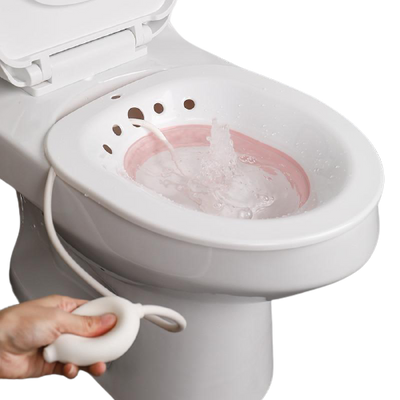
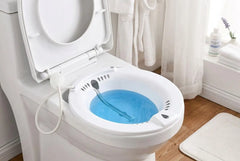
For an effective sitz bath, adopt a precise and rigorous routine regarding hygiene. Start by filling your basin with the necessary amount of water at the right temperature. You can then add and gently dissolve a little baking soda.

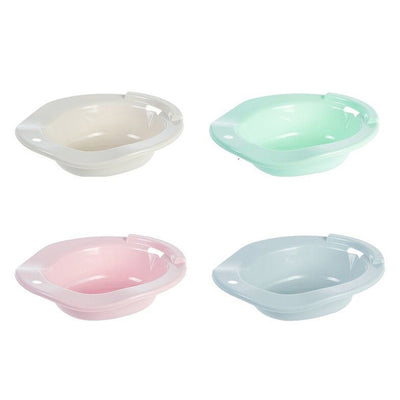
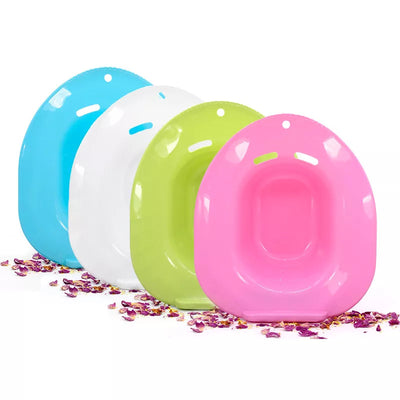
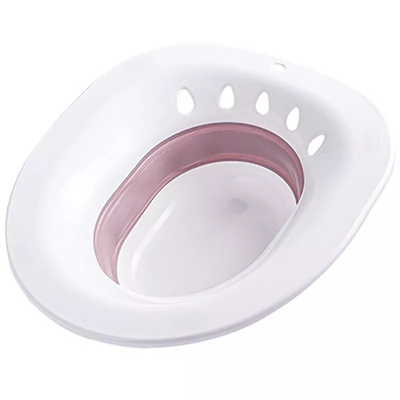
- Adapted equipment: Preferably use our sitz bath basins made of medical-grade plastic, designed to fit easily onto your toilet seat.
- Verified temperature: Check the water with a thermometer to avoid any burns or unwanted thermal shock.

- Beneficial additives: Epsom salts or a chamomile infusion can enrich your sitz bath during the recovery period (see our article on recipes and ingredients for a sitz bath)
- Post-bath hygiene: Always dry the anal region delicately by patting with a soft, clean towel.
Finally, wear loose cotton underwear to allow your skin to breathe properly. This extra attention prevents the accumulation of heat or moisture and perfectly complements this moment of care for impeccable hygiene.
Lukewarm water sitz bath and complementary treatment for hemorrhoids
Lukewarm water is an excellent solution for soothing tissues irritated following acute inflammation. It gently stimulates blood circulation and relaxes the muscles, which helps avoid aggravating residual swelling or persistent itching.

When and how to use lukewarm water after the crisis
To treat hemorrhoids, a lukewarm sitz bath should ideally be maintained at a temperature of around 38°C. This gentle warmth promotes relaxation and activates blood flow without causing excess. Indeed, water that is too hot would risk intensifying the symptoms associated with hemorrhoids.
- Recovery phase: adopt lukewarm water as soon as the acute crisis begins to subside. This transition generally occurs after a few days of cold treatment.
- Muscle relaxation: this gentle warmth helps relax the anal sphincters, thus facilitating bathroom trips with much less effort.
- Natural infusions: you can add chamomile or witch hazel to the water, two plants recognized for their excellent natural anti-inflammatory and soothing effect.
For diabetic individuals or those with sensitive skin, it is advisable to use water between 30 and 35°C. The use of a thermometer is recommended to avoid any accidental burns. This precaution helps protect the skin while maintaining the effectiveness of the sitz bath.
Lukewarm water also helps repair irritated tissues more quickly. It promotes the oxygen supply necessary to accelerate natural healing. Taking a regular bath during convalescence considerably extends these therapeutic benefits.
Cold compresses and alternatives to soothe hemorrhoids
Cold compresses effectively complement this method for soothing hemorrhoids. Simply place a few ice cubes in a cloth and apply them to the swollen area for about fifteen minutes as soon as a flare-up occurs.

The cold gel packs to slip into underwear represent a discreet alternative. They are particularly practical at work when a full treatment is not possible. The hot or cold sitz bath remains nonetheless essential in case of major crises.
Preventive measures and contraindications to observe
Adopting good habits significantly strengthens your underlying treatment. Drinking plenty of water helps maintain soft stools and helps to prevent constipation, which exerts pressure on the hemorrhoidal veins. Avoid spices or alcohol, which tend to accentuate symptoms associated with internal hemorrhoids and external ones, such as itching.
- Daily hydration: drink plenty to keep stools soft. This reduces excessive pressure exerted on your dilated hemorrhoidal veins.
- Diet rich in fiber: prioritize vegetables, fruits, and whole grains. Fiber helps limit constipation, a frequent cause of painful crises.
- Clothing hygiene: always choose breathable cotton underwear. They reduce sweating and local heat, which are aggravating factors for inflammation.
- Gentle local care: use moist paper rather than irritating dry paper. Clean delicately after bowel movements to protect the sensitive anal region.
Consult a doctor if you observe significant or unusual bleeding. The same applies if the pain persists despite the care or in case of fever. A cold sitz bath in no way replaces medical advice in case of complications.
Frequently Asked Questions
Does hot water really soothe hemorrhoids during a crisis?
No, hot water tends to aggravate hemorrhoids during a particularly painful flare-up. In fact, it increases blood flow to the hemorrhoidal veins, which are already very dilated. During the recovery phase, however, a moderate temperature can help relax the muscles and improve local circulation.
During the acute phase, it is instead recommended to use cold water cautiously. This causes immediate vasoconstriction, which is very useful for quickly soothing pain and reducing inflammation. As a result, swelling in the area decreases by about 30% after just ten minutes of a cold sitz bath.
How long should you stay in a sitz bath to get results?
For a cold sitz bath during a flare-up, 5 to 10 minutes is more than enough. This time is ideal for reducing inflammation and alleviating pain safely. During the recovery phase, using lukewarm water, aim for 10 to 15 minutes of immersion.
This duration allows the area to fully relax and provides long-lasting relief for the tissues. Never exceed 20 minutes in total to avoid any undesirable skin maceration. Finally, perform 2 to 4 sessions daily, making sure to space them at least two hours apart.
Can you alternate between cold and hot water in the same sitz bath for better results?
Yes, alternating temperatures is a very effective advanced technique. Start with 5 minutes of cold water, then continue the treatment with 10 minutes of lukewarm hot water. It is imperative to observe a rest interval of about 30 minutes between these two phases.
This smart alternation can considerably speed up the hemorrhoid healing process. Observing this break is essential to avoid overloading the local blood circulation. In the event of a very painful flare-up, use only cold water for a few days before starting the alternation.