

Cold water foot bath benefits: circulation boost
Looking for a simple way to soothe your feet after a long day? A cold foot bath is one of the most effective measures. These fresh water immersions are traditionally associated with improved blood circulation and a real sensation of lightness.
The benefits of a cold water foot bath
A cold bath acts as a natural tonic and frees the legs from a feeling of heaviness. Practiced regularly, it contributes to daily well-being: the fresh water triggers a vascular reaction that helps reduce fatigue.

Circulation and a feeling of lightness
Coolness constricts blood vessels and facilitates the return of blood to the heart. It is the traditional reflex after prolonged exertion or long periods of standing.
The lymphatic system is also stimulated in congested tissues. The effects take hold with regular practice: the body gradually gets used to this stimulation.
Light legs, clearer skin
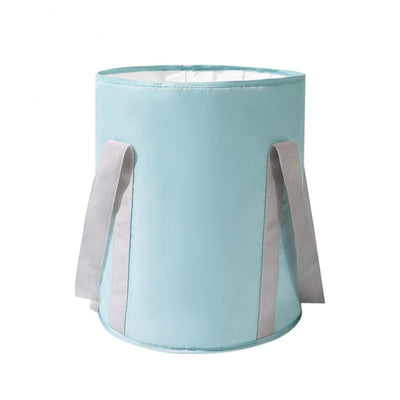
The feeling of swelling in the feet decreases thanks to the vasoconstrictive action of cold water. A simple collapsible basin is all you need to start this relaxing routine.
- Heavy legs: cold boosts venous return and soothes heaviness in the ankles.
- Supple skin: soaking softens rough areas and facilitates exfoliation.
- Detox approach: this is one of the most cited reasons for the practice, especially with added salts.
- Hygiene: the bath limits odors and leaves feet feeling fresh.
Relaxation is felt from the very first immersions. The skin becomes more supple and walking feels lighter. These benefits increase with consistency.
How often should you take cold foot baths?
Two to three sessions per week are enough to get the body accustomed. This rhythm allows for gradual adaptation and avoids excess.
Integrating this action into your routine yields noticeable results in a few weeks. Regularity is essential: it is better to be consistent than intensive.
The protocol for a successful cold foot bath
A few simple rules are enough to ensure this practice remains safe and pleasant. The essentials lie in the temperature and duration.

How long does a cold foot bath last?
Count on between 10 and 20 minutes. Any longer, and the cooling becomes uncomfortable without providing extra benefit. Start with about 10 minutes to accustom your body.
- Minimum duration: ten minutes is enough to stimulate circulation without generating discomfort.
- Ideal duration: fifteen minutes offers the best balance between comfort and effectiveness.
- Maximum duration: twenty minutes, not to be exceeded.
- Personal adaptation: if you are sensitive to cold, start with eight minutes and increase gradually.
Precautions and equipment
Diabetic individuals must check the temperature with a thermometer to prevent any skin lesions. Cover your torso: only your feet should be immersed in this cold water.
Apply a moisturizing cream after the treatment to soften the skin, and dry carefully between the toes.
| Element | Benchmark | Why |
| Water temperature | 15-17 °C minimum | Avoids sudden thermal shock |
| Immersion time | 10 to 20 minutes | Stimulates without excessive cooling |
| Frequency | 2 to 3 times per week | Allows for gentle body adaptation |
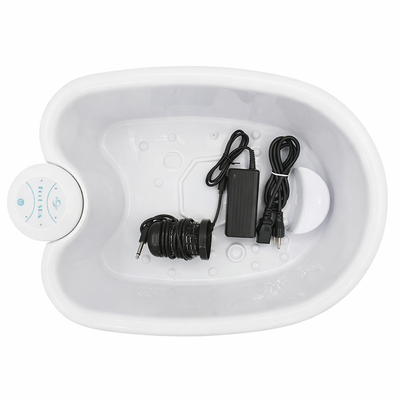
| Recommended basin | Collapsible model with massage nodes | Pleasantly massages the arch of the foot |
| Drying | Immediate and thorough | Limits the risk of fungus between the toes |
A flexible basin is an excellent option to start with: it cleans quickly and remains stable without deforming.
Coarse salt and hot-cold alternation
Adding coarse salt to your basin enhances the relaxing effect. Combined with thermal alternation, this trick turns a simple immersion into a real treatment for tired feet.
Cold foot bath with coarse salt
Pour Epsom salt into a basin of cold water, around 15-17 °C, and immerse your feet for 15 minutes.
- Epsom salt: rich in magnesium, it strengthens the soothing effect of the water.
- Coarse sea salt: it offers natural exfoliation without being harsh on the skin.
- Dead Sea salt: rich in minerals, it is appreciated by dry or sensitive skin.
- Table salt: the most practical and economical option.
Swollen feet regain their suppleness after this treatment: coolness and salt form an effective combination.
Alternating cold and hot water
The alternating hot-cold foot bath acts as a vascular workout. Start by soaking your feet in warm water, then switch to cold water. Repeat this cycle three times for a toning effect.
These temperature changes stimulate the venous system. The feeling of heavy legs generally fades faster than with a simple cold bath.
Essential oils and salt
A few essential oils added to the salt—never directly into the water, as they do not disperse—will personalize this moment of relaxation.
- Camphor rosemary: traditionally used for micro-circulation and tired feet.
- Cypress: associated with venous tone and the feeling of congestion.
- Peppermint: it brings an immediate freshness that is highly appreciated.
Three to five drops are enough for one basin. A suitable basin allows you to fully enjoy the treatment.
Frequently asked questions
Is cold water beneficial for feet?
Cold water causes vasoconstriction, which stimulates blood circulation. It is the traditional reflex against swollen feet and the feeling of heavy legs, especially after a long day of standing or in hot weather.
How long should you soak your feet in cold water?
Ten to twenty minutes are sufficient. It is unnecessary to extend it: excessive cooling provides no further benefit. Brief but regular sessions are more effective than an occasional long soak.
In what cases is a cold foot bath recommended?
It is mainly sought after for swollen feet and the feeling of poor circulation. Its relaxing effect loosens sore muscles and prepares the skin well for a massage.
For dry or fragile skin, Dead Sea salt is often added.
The foot bath is a comfort treatment. It does not replace medical advice or treatment. In case of known circulatory disorders or diabetes, ask your doctor for advice.