

Physiological stool: the many benefits
Why toilet posture matters
The way we position ourselves on the toilet directly influences our digestion and bowel comfort. In most Western homes, we adopt a classic seated position, inherited from modern toilets. However, this posture is not the most adapted to the body's natural functioning.
Historically, human beings relieved themselves in a squatting position. This position facilitates the passage of stool and limits unnecessary straining during evacuation. Today, more and more people are looking for a simple solution to return to this posture without modifying their sanitary installations.
The physiological toilet stool responds precisely to this need.

What is a physiological toilet stool?
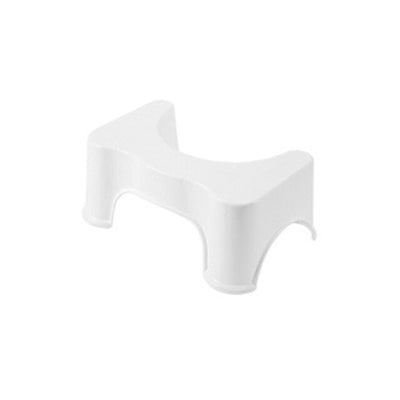
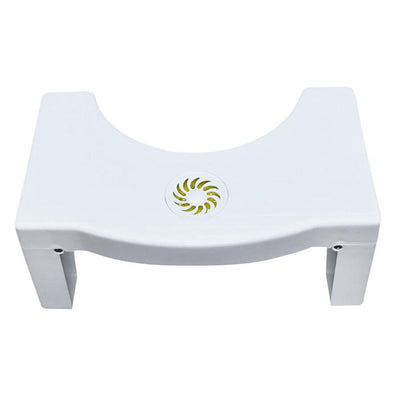
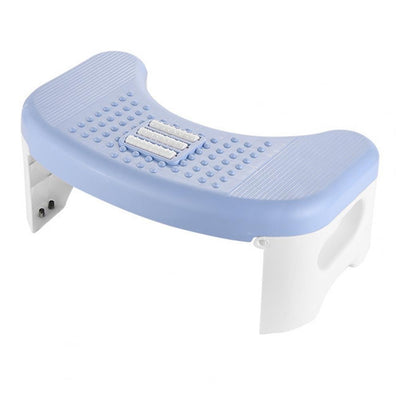
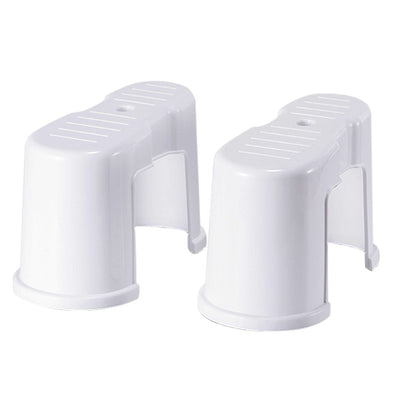
A toilet stool is a small step stool that is placed in front of the bowl to elevate the legs and knees.
This simple device acts as a footrest and allows you to adopt a squatting position on the toilet while remaining seated on the bowl. It is sometimes referred to as a squatting stool, or a squatty potty type model in English-speaking countries.
The physiological toilet stool thus transforms the classic posture into a more anatomical one, closer to that which the body adopts naturally.
Why the squatting position is more natural
In a seated position, a muscle called the puborectalis surrounds the rectum and forms an angle that holds back stool. This configuration protects against incontinence, but it complicates evacuation when one is simply seated.
The squatting posture modifies this angle and allows this muscle to relax. The passage of stool then becomes more direct and fluid.
With a physiological toilet stool, the ideal position is recreated:
- the knees are higher than the hips;
- the colon is better aligned;
- bowel evacuation is more complete.
The main benefits of the physiological stool
The benefits of this accessory are all based on the same principle: improving posture at the time of defecation.
Reducing strain and pressure
The right posture allows for much less straining when expelling stool. The effort is reduced, which decreases the pressure exerted on the abdomen and perineum.
This is the first reason why our customers adopt it: simply straining less.
Help for constipation
The use of a toilet stool is associated with easier evacuation, and this is the most frequent use among people prone to constipation.
By improving the alignment of the colon, it becomes easier to evacuate without straining. Transit can thus return to more natural functioning.

Less discomfort with hemorrhoids
Hemorrhoids are often aggravated by excessive pushing during defecation.
By reducing the effort required for evacuation, the physiological stool limits this pushing. Less pressure generally means less discomfort — which is one of the most common reasons our customers make the purchase.
Improving transit and digestive comfort
A more complete bowel evacuation is associated with better transit and less bloating.
The digestive system then functions more fluidly, which improves the feeling of daily comfort.
An accessory useful for the whole family
Contrary to what one might think, this type of accessory is not just for adults.
Children also benefit from this squatting posture, especially when learning to use the toilet on their own.
Some health professionals recommend its use as part of bowel transit rehabilitation programs, particularly for the elderly.

How to use a physiological stool
Knowing how to use a physiological stool is very simple.
- Place the toilet stool in front of the bowl.
- Place your feet on it to raise your knees.
- Let your torso lean forward slightly, with elbows on your thighs.
This ideal position allows you to evacuate stool more easily and naturally.
The goal is not to push, but to let the intestinal mechanism function physiologically.
How to choose a good toilet stool
Several criteria can guide your purchase decision:
- an ergonomic shape that fits around the base of the toilet bowl;
- a compact design that is easy to store;
- a height adapted to your build—count on 17 to 22 cm to replicate the best position;
- a non-slip surface and good stability.
A well-designed toilet stool should allow you to adopt the natural position without the slightest effort.
Discover our collection of physiological toilet stools.
A simple solution for real digestive comfort
The physiological stool is a discreet accessory, widely adopted to improve intestinal transit, limit constipation, and reduce discomfort related to straining.
By allowing you to adopt a squatting position, it respects the natural functioning of the intestinal system. People prone to hemorrhoid flare-ups are, in fact, the first to see the daily benefit.
For many, this small step stool quickly becomes essential to regain an ideal position and true comfort in the restroom.
In summary, the toilet stool is a valuable aid for those who suffer from transit disorders. Its use is increasingly highlighted by professionals to improve comfort and posture on the toilet.
The physiological stool is a comfort accessory. It does not replace medical advice: in case of persistent constipation or bleeding, consult a health professional.