

Water cleansing for intimate areas: why you should start doing it now
Cleaning intimate areas with water is the simplest and most effective hygiene practice there is. It truly eliminates impurities and the bacteria that accumulate after using the toilet or having sexual intercourse — around the anus, the vulva in women, and the foreskin and glans in men. Unlike toilet paper, which always leaves a thin layer of residue, water dissolves water-soluble residues, which limits bacterial growth and irritation.
Why intimate cleansing with water is especially important for women
In women, this area is sensitive and exposed to urinary and vaginal infections. Cleaning with water prevents bad odors and avoids irritation. A directed jet eliminates any direct contact of the hands with soiled areas, thereby reducing the risk of cross-contamination. The golden rule: direct the jet from front to back after every trip to the bathroom, so as not to bring bacteria toward the genital area.
Note that cleansing with water does not replace tampons, menstrual cups, or sanitary pads during your period: these products remain essential.
During pregnancy and postpartum, cleansing with water, combined with sitz baths, is the most commonly recommended practice by midwives: it soothes a particularly sensitive area without any rubbing.
What water temperature for intimate hygiene?
Temperature plays a real role in the comfort of intimate cleansing. For daily use, temperate water, between 30 and 37°C, is what suits most people: it cleans perfectly without any unpleasant sensation.
Cool water, between 15 and 20°C, however, has its fans — and for good reasons. The cold provides a soothing feeling of freshness, stimulates local circulation, and calms sensations of irritation or burning after shaving or intercourse.
Contrary to popular belief, cold water does not dry out intimate skin: it preserves the natural hydrolipidic film of the vulva. Brief contact with the cold constricts blood vessels, which explains the immediate soothing effect on minor irritations, with no risk of thermal burns. This vasoconstriction, followed by vasodilation, is the very principle of hydrotherapy and its toning effect on the perineum.
For those sensitive to cold, temperate water offers the exact same hygienic benefits. The key is to choose the temperature that works for you.
Intimate cleansing with water: best practices
When using the toilet, cleaning with water is enough — no need to use soap every time. Save soap for your daily shower. Use a mild soap or an intimate cleansing wash with a suitable pH. Avoid scented soaps and products with strong surfactants, which disrupt the flora.
Here are the essential steps for daily intimate hygiene:
- Clean with clean hands or a spray, rather than a rough washcloth, which causes micro-abrasions.
- Rinse thoroughly to remove all soap residue.
- Dry gently by patting with a cotton towel, never by rubbing.
- Always wash your hands after cleaning.
A quick routine: less than 30 seconds is enough for a spray, a rinse, and drying.
Preserving the natural balance: pH and flora
Many women worry about the impact of cleaning on vaginal pH and flora. Good news: water temperature does not affect vaginal pH, which remains naturally acidic (3.5-4.5) to protect the area. Rinsing fully preserves the mucosal barrier — as long as it remains external, on the vulva, with no internal vaginal douching.
Water alone, without aggressive soap, fully respects the natural balance. A thorough rinse removes residue without upsetting anything, whether it is lukewarm or cool. Water is never aggressive to the microflora, unlike scented intimate wipes or vaginal douches. Good intimate hygiene is precisely about letting the vagina self-clean — which it does perfectly, thanks to its secretions.
The best solutions for washing with water
This practice is the norm in many countries, especially in Asia, where portable bidets, Japanese toilets, and sitz baths are everywhere. They are becoming increasingly widespread in Europe, where people are rediscovering the benefits of cleaning with water, abandoned in the 1960s in favor of toilet paper.
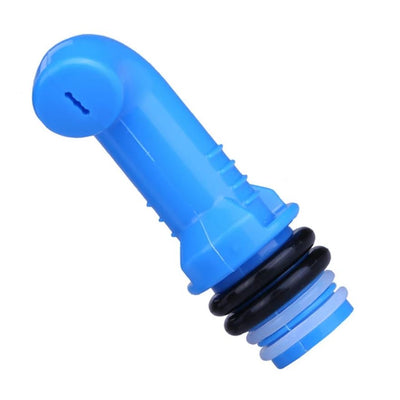
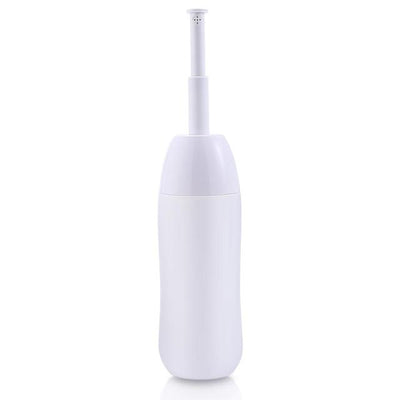
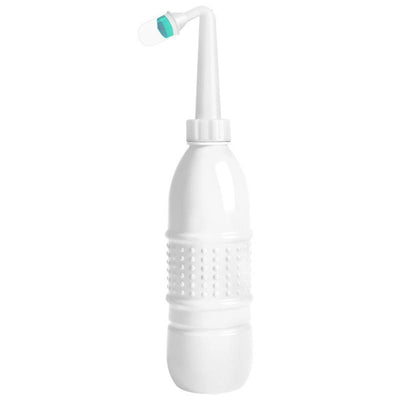
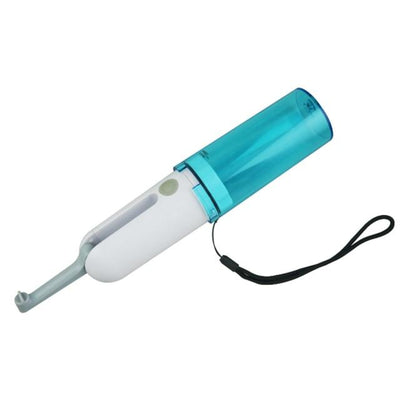
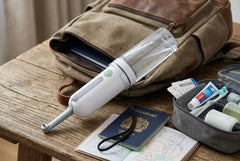
Portable bidets are small devices you can take anywhere. They allow you to rinse with cold or temperate water, depending on preference. They are particularly appreciated by people prone to hemorrhoids: cleaning is done gently, without rubbing, and soothes itching. After sports, a cool spray refreshes the perineum and limits maceration.
Check out our article Hiking: how to go without toilet paper with a portable bidet.

Japanese toilets are very common in Japan, the United States, Eastern Europe, and a large part of Asia. They allow you to rinse with the push of a button, without paper. It is the most hygienic solution: the jet eliminates residues that paper leaves behind, which limits bacterial growth and irritation.

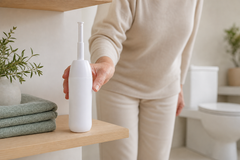
Toilet sprayers resemble small shower heads to be installed next to the toilet. They allow you to clean yourself after every use, with a jet that you direct yourself. They are particularly suitable for squat toilets and wide toilets, and constitute an eco-friendly alternative to paper.

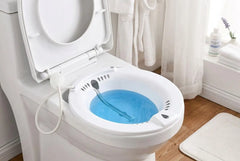
Sitz baths allow you to clean and soak the area in cold or temperate water. They are particularly appreciated by people prone to hemorrhoids: it is the most common traditional method for soothing itching and discomfort.

The benefits of cold on the intimate area
- Refreshing effect, which immediately soothes sensations of heat.
- Stimulation of local circulation, promoting tissue tone.
- Soothing of burning or irritation sensations.
- Tightening of tissues, highly sought after in postpartum and in cases of hemorrhoids.
A cool spray of a few seconds is enough to refresh the area and reduce redness. No need to prolong: exposure should remain brief.
Precautions, and when to consult
Cleaning with cool water is suitable for the vast majority of people, but some precautions are necessary:
- Avoid ice-cold water in case of circulatory disorders, Raynaud's syndrome, or hypersensitivity to cold.
- On very sensitive skin, or in the presence of open lesions, opt for temperate water (30-37°C).
- After perineal surgery, ask for your doctor's advice and avoid thermal shock.
- Limit cold rinsing to a few seconds: it is not a bath.
- People with diabetes, or prone to sensory disorders, should avoid prolonged exposure.
- In case of acute pain or skin lesions, prefer lukewarm water.
In case of suspected infection, persistent itching, or lasting discomfort, consult a healthcare professional. Washing with water, even when done well, does not treat a confirmed infection.
How to properly clean the female intimate area
With a portable bidet or a Japanese toilet, three steps are enough:
- Activate the jet to rinse thoroughly, without excessive pressure.
- Always proceed from front to back.
- Dry by gently patting with a clean towel.
For the daily shower: wash the external part of the intimate area, including the anal area, with your fingertips, using light circular motions — never scrub vigorously. Rinse thoroughly, dry by patting. Avoid scented soaps and aggressive gels. Finally, choose cotton underwear and change it every day, to let the skin breathe.
In summary
Cleaning intimate parts with water is a simple, effective, and natural practice that has only advantages. Portable bidets, Japanese toilets, toilet sprayers, and sitz baths allow you to clean deeply while preserving intimate balance. They are particularly useful for people prone to hemorrhoids, pregnant women, and anyone who wants more natural and eco-friendly intimate hygiene.
This hygiene advice does not replace medical advice. In case of persistent symptoms, consult a healthcare professional.