

Baby Sitz Bath
The sitz bath is a natural practice with many virtues. This ancestral remedy is notably used by adults suffering from hemorrhoids, or by pregnant women to soothe certain ailments related to pregnancy. But did you know it is also used for children?
A sitz bath for babies is traditionally recommended when the child's genital area is irritated or inflamed. This can occur for several reasons, including wearing diapers, childbirth, or certain infections.
Baby sitz bath
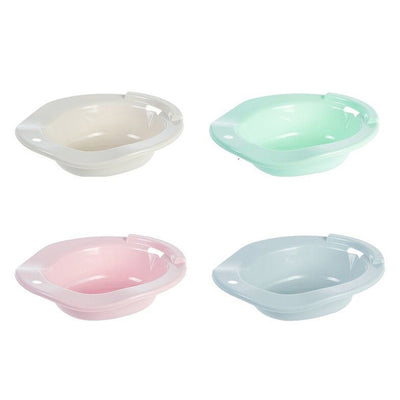
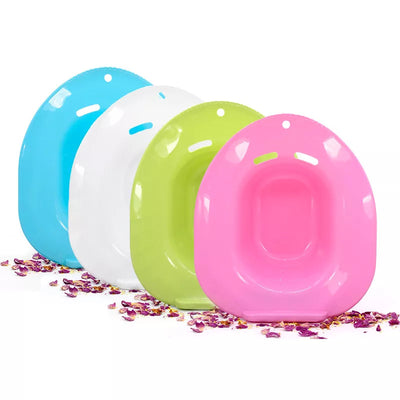
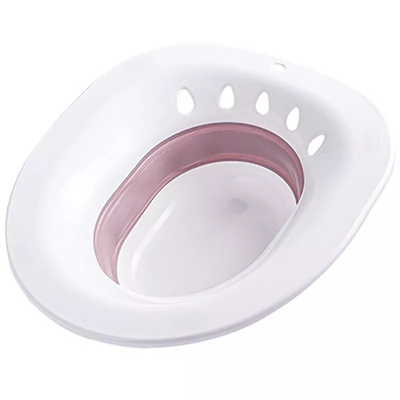
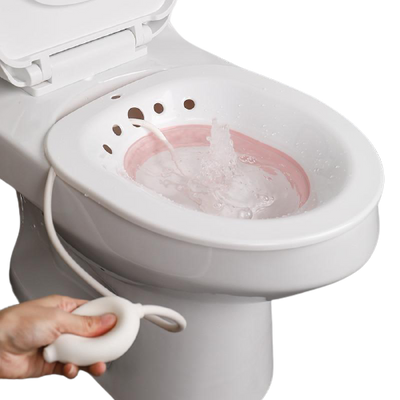
For adults, a sitz bath is practiced using a basin specially designed for this purpose, which is placed on the toilet seat: Sitz bath basin.
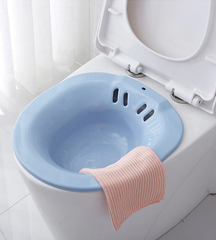
For young children, you should use a basin or a small tub to keep the child comfortable during the bath. It is important to monitor the baby during the sitz bath and ensure they do not make any sudden movements that could cause them to slip or fall.
After a sitz bath, as after any bath, it is important to dry the child well, particularly the genital area, to avoid any residual moisture. This prevents them from catching a cold and helps avoid the development of fungal infections.
Consult a doctor before giving your baby a sitz bath if the child shows signs of severe irritation or inflammation, or if they have been diagnosed with an infection. The doctor will be able to recommend an appropriate treatment and indicate whether a sitz bath is suitable as a complementary measure.
Infant sitz bath
From birth, the sitz bath is traditionally used to soothe the most common infant discomforts.
Sitz bath and diaper rash
Newborns can be prone to irritations such as diaper rash from a very early age. In the hygienic approach, these are attributed to excess acidity due to teething or digestive disturbances. A 3-to-5-minute cold sitz bath is the traditionally recommended method to soothe the area. You can add a tablespoon of starch per liter, or a teaspoon per liter of baking soda: the latter is known to lower the skin's acidity level. According to this approach, the cold stimulates blood flow and supports the body's cleansing process as it releases acids, of which redness, itching, and pain are merely the external manifestations.
To complement the sitz bath, tradition suggests applying a poultice of green clay mixed with olive oil (one tablespoon of each) overnight, for its covering and soothing power, like a dressing.

Sitz bath and fever
Traditionally, a high fever was calmed using the same cold sitz bath. However, be careful not to interfere with a fever that the child is handling well, as it plays its role as a defense mechanism for the body. In cases of intense and poorly tolerated fever, cold water sitz baths are traditionally used to help lower the temperature. They last a maximum of 5 to 10 minutes in a temperate room, ensuring the child remains well covered so they do not get colder. The practice can be repeated every 4 hours as long as the fever persists. Between two baths, a damp cloth is applied to the head and a green clay poultice to the lower abdomen.
To remember: in an infant, a high or persistent fever requires medical advice without delay. The sitz bath is a traditional comfort measure; it does not replace a suitable antipyretic or a medical consultation.

Sitz baths for children
A sitz bath can be practiced at any age. It is traditionally used in cases of constipation, ear infections, or sore throats. It is often associated with clay: in the case of a sore throat, for example, clay poultices are applied to the throat, alternating with the sitz bath.
In this hygienic logic, the cold bath first sets in motion the flows (blood and lymph) that carry the elements the body is trying to get rid of during a crisis. The clay then intervenes to capture these wastes thanks to its absorbent power. There are powdered clays of all colors (yellow, red, pink), but the most common are white and green, with a traditional preference for green.
If you wish to learn more about the benefits of clay and sitz baths, the reference is Raymond Dextreit's book, La Méthode Harmoniste : Traité de Médecine Naturelle. In it, the author offers a comprehensive understanding of the body from a hygienic perspective. The sitz bath applications presented in this article are notably drawn from it.

How to give a sitz bath to children?
Taking a sitz bath is very simple, even for the youngest. A bathtub or a sitz bath basin is sufficient. Fill the basin with cold or cool water (18-20 °C) and have the child sit for the required time.
You can also fill the bathtub with 5 to 10 centimeters of water, so that only the perineal region is submerged. Be careful to support the child so they do not get entirely wet. The disadvantage of a bathtub is that it consumes more water than a small basin, and it is more difficult to keep the child covered, whereas it is important that they do not get their whole body cold.
This is why we recommend using suitable basins. Sitting in a basin, the child can keep their upper clothing on without getting it wet. Moreover, not everyone has a bathtub. Easily transportable, the basin can be used in the shower, bathroom, or even directly in the bedroom or living room. Some models are foldable for maximum space savings and can follow you on all your trips.
In any case, you will need to keep the youngest ones' bottoms in the water for the duration of the bath. Older children will be much more autonomous.
Once the bath is over, pat the soaked area with a towel to dry it. Do not rub, to avoid irritating the skin or accentuating the irritation in the case of a rash.

Precautions
If the child is too cold and cannot warm up after the bath, do not insist on the cold bath.
Do not give a hot sitz bath, to avoid any risk of burning the skin: infants have sensitive skin that is easily irritated. A lukewarm sitz bath has little value, as it does not stimulate circulation.
Also, do not practice a sitz bath in the event of an open and painful wound in the area concerned. Wait until the wounds have been treated and healing is complete.
The sitz bath is a traditional wellness practice. It does not replace medical advice or treatment: in case of illness or high fever, always seek your doctor's advice.