

Intimate irritation, what to use: relieving vulvar itching
When dealing with intimate irritation, it can be difficult to know where to start. The essential first step is to understand what is causing the irritation, then to choose a suitable product to soothe without aggravating the area. Here are the possible causes, useful remedies, and best practices to relieve itching, calm vulvar irritation, and prevent recurrence.
Why intimate irritation occurs
Intimate irritation can have an infectious or non-infectious origin, and symptoms are often similar across different causes. The guidelines published by the French Health Insurance (Assurance Maladie) on intimate hygiene offer a reliable foundation for adjusting your habits.

Common symptoms of external intimate irritation
External intimate irritation most often affects the vulva, sometimes in a very specific area. The labia majora, labia minora, clitoris, or vestibule may react after friction, irritating contact, or a local imbalance. In practice, the intensity varies depending on the sensitivity of the skin and the surrounding mucous membrane.
- Redness and swelling: redness appears on the vulva, sometimes with a sensation of heat or slight edema.
- Burning and stinging: a burning sensation can occur during urination or after repeated friction, a sign of a weakened area.
- Itching: vulvar itching is common and may worsen with humidity or heat.
To this may be added a feeling of dryness, persistent discomfort, or rougher skin. Vaginal dryness sometimes points to hormonal fragility, especially after childbirth or during menopause.
Infectious and non-infectious causes
In many cases, vulvar irritation is not linked to an infection. Harsh soaps, scented shower gels, certain wipes, irritating sanitary products, tight underwear, or recent hair removal are enough to trigger it. The more the area is irritated, the more friction maintains the discomfort.
Hormonal variations during the cycle, pregnancy, or menopause can also promote dryness and make the vulva more reactive. This increased sensitivity is sometimes enough to explain discomfort without an infectious cause.
Conversely, some causes are infectious. A yeast infection often causes marked itching, sometimes with thick white discharge, while bacterial vaginosis is usually accompanied by an unusual odor. Certain STIs can also resemble simple irritation, which requires an accurate diagnosis before choosing a treatment.
When to see a doctor
When symptoms persist, it is better not to wait. A consultation is necessary in case of significant pain, foul-smelling discharge, lesions, or if itching returns often despite gentle and appropriate hygiene.
Certain skin diseases, such as contact eczema, inverse psoriasis, or lichen sclerosus, require specific monitoring. Confusing a yeast infection with another cause of irritation easily leads to using an unsuitable product.
Vulvar inflammation: what to do with natural remedies
When vulvar irritation appears, the goal is simple: soothe the area without further weakening the skin or disrupting the flora. Certain natural remedies help to limit intimate itching, reduce redness, and calm vulvar inflammation linked to friction, dryness, or irritating products.
The right reflex is to stick to simple measures. A scented cream, an aggressive soap, or any product too rich in additives can worsen itching instead of calming it.
Compresses, sitz baths, and immediate care
In case of intimate irritation, simple solutions are generally the best tolerated by sensitive mucous membranes. A cold compress wrapped in a soft cloth and applied for 10 to 15 minutes to the vulva helps to reduce heating, swelling, and itching.
- Colloidal oatmeal bath: added to bathwater for 15 to 20 minutes, it helps soothe the skin and calm discomfort.
- Epsom salt sitz bath: in lukewarm water for 10 to 15 minutes, this treatment is traditionally used to relax the area.
- Floral water spray: calendula, lemon balm, or green tea can refresh delicately without unbalancing the flora.
Heat and cold do not have the same role. A lukewarm sitz bath, around 37-38°C, promotes relaxation, while cold acts more on edema. These approaches are also used for perineal care, particularly postpartum.
Conversely, pure essential oils should be avoided on this area: even in a natural approach, they are among the most frequent irritants when applied locally.
Vegetable oils and aloe vera
When cold or baths are not enough, simple fatty substances can provide real comfort. Certain pure vegetable oils—calendula, coconut, sweet almond, baobab, evening primrose, or macadamia—support the skin barrier and limit discomfort linked to friction or dryness.
Pure aloe vera gel is another well-tolerated option: it can help calm redness, hydrate fragile skin, and support the care of a sensitized vulva.
- Calendula oil: in very small quantities on the external area, to relieve itching and support skin repair.
- Shea or cocoa butter: their protective texture forms an emollient film useful after washing or at bedtime.
- Pure aloe vera gel: applied in a thin layer, it helps calm itching and the sensation of heat.
Everything depends on the composition: a pure product, with no added fragrance or unnecessary preservatives, remains preferable on an already weakened area.
What to apply to relieve intimate irritation
Before choosing a product, it is useful to go back to basics: limit what is already attacking the area. Gentle intimate hygiene, less friction, and appropriate care are often enough to soothe irritation.
Gentle water-based cleaning
To relieve intimate irritation, lukewarm water is the first useful reference. Unlike toilet paper, which can leave residue and increase friction, it cleans without abrasion and respects the vulva better.
The right rhythm remains simple: once or twice a day, with clean hands, without rubbing. Then dry by dabbing with a soft, clean cloth. An already sensitized area does not tolerate heavy-handed movements well.
Sitz bath and soothing care for the irritated vulva
In case of vulvar irritation without a yeast infection, a sitz bath provides very concrete local relief. Lukewarm water around 37-38°C helps to relax tissues and calm immediate discomfort, while cooler water can help reduce edema. This treatment is commonly recommended by midwives after childbirth to spare the perineum.
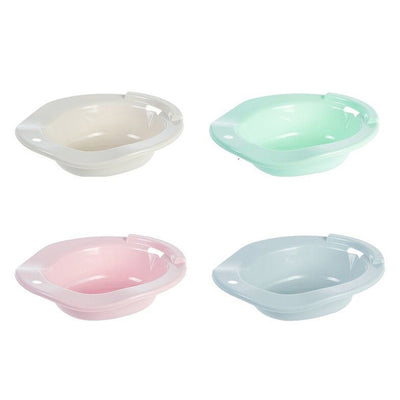
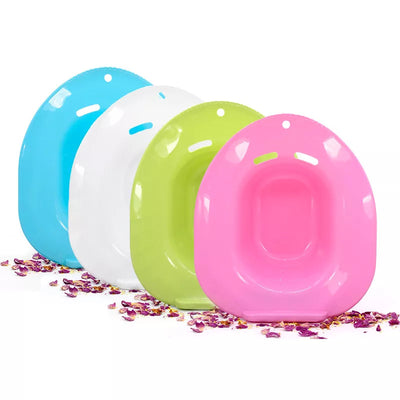
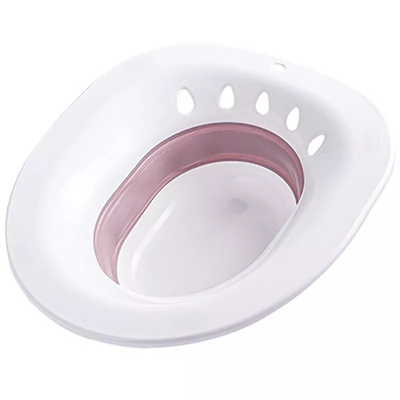
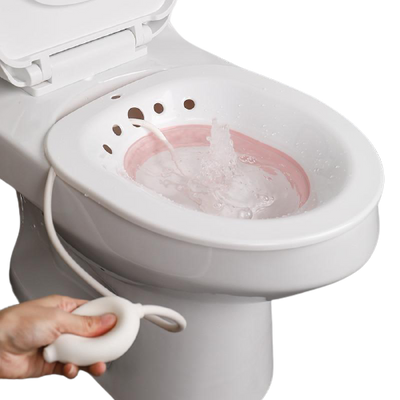
Non-porous medical plastic sitz bath basins are easily placed on the toilet. Some foldable models are portable, while others integrate a small pump for more targeted rinsing: a useful support when mobility is limited.
Adding Epsom salt or colloidal oatmeal can further soothe the skin without multiplying products.
Cream, balm, and supporting the flora
After washing, a fragrance-free, mineral oil-free intimate soothing cream with an appropriate pH can protect the area from external irritants. Applied in a thin layer on the vulva, it helps to strengthen the skin barrier and prevent the return of irritation. In the same logic as cleaning with water, the portable intimate bidet also limits unnecessary friction.
A shea or calendula-based balm can complement this daily action, especially when the skin remains fragile. Additionally, oral or vaginal probiotics are sometimes used to support vaginal flora.
Management of vulvar irritation according to the cause
An approach adapted to the cause helps to soothe faster and limits recurrence. In case of mild irritation, local care or a soothing cream may be enough, but medical advice remains preferable at the slightest doubt.

Natural care adapted to each type of irritation
When the vulvar condition has no infectious origin, priority goes to very gentle intimate hygiene and simple care. Certain active ingredients like aloe vera, calendula, or colloidal oatmeal are often well-tolerated by sensitive skin. The fewer irritants, fragrances, and aggressive soaps used, the easier it becomes to soothe redness, burning, and itching.
Additionally, preserving vaginal flora is very important. A cleansing product with an appropriate pH, between 4 and 5, can be suitable if the area remains reactive. When hormonal dryness affects the vulva, local moisturizers can relieve fissures and reduce discomfort.
The table below summarizes the main families of causes. It is provided for informational purposes only: only a healthcare professional can make a diagnosis and prescribe treatment.
| Cause | Main symptoms | Usual management |
| Yeast infection (Candida) | Intense itching, thick white discharge | Medical advice, prescription antifungal |
| Bacterial vaginosis | Unusual odor, irritation | Medical consultation |
| Contact irritation | Redness, burning, dryness | Avoidance of soaps and irritating products, cleaning with water |
| Hormonal imbalance | Dryness, fissures, itching | Local moisturizers, gynecological advice |
| Lichen sclerosus / eczema | Chronic itching, lesions | Specific dermatological monitoring |
When medical advice is mandatory
When symptoms last for more than a few days, unusual discharge appears, or lesions persist, an accurate diagnosis is necessary: lichen sclerosus, eczema, inverse psoriasis, or bacterial infection each require targeted management. Daily, sober intimate hygiene limits friction and new irritants — a gentle spray shower, used without soap, contributes to this during and after treatment.
Preventing vulvar irritation
Prevention relies on simple gestures, repeated regularly. Consistent intimate hygiene, breathable materials, and better-tolerated sanitary products are often enough to protect the vulva long-term.
Good daily habits
The foundation remains gentle intimate hygiene: one to two washes per day, with clean hands and lukewarm water. The inside of the vagina should not be washed, as its balance depends on the vaginal flora. Then dry by dabbing, without rubbing.
The choice of clothing is equally important. Cotton underwear that is not tight, changed daily and washed with mild detergent, reduces maceration. Conversely, synthetic materials, very tight jeans, or keeping a swimsuit on while wet for too long promote irritation.
Menstrual products can also make a difference: scented or chlorine-bleached models are sometimes poorly tolerated. A cup, menstrual panties, or washable pads often offer a more sober alternative.
Additionally, good hydration and a fiber-rich diet support vaginal flora, which can help limit certain recurrent infections.
Soft daily products and accessories
It is better to prioritize intimate hygiene care that is fragrance-free, mineral oil-free, with a pH between 4 and 5, and leave aside classic soaps, scented shower gels, and wipes, which are often too aggressive for the vulvar area.
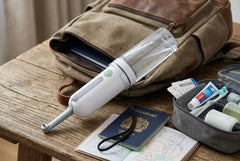
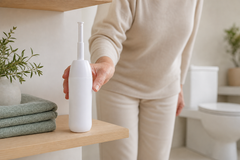
After using the toilet, water alone can be sufficient. An intimate spray allows for cleaning without residue and without friction, which helps prevent irritation. For use on the go, a portable bidet serves the same purpose when traveling.
Once the skin is clean and dry, a natural vulvar balm applied in a thin layer can support the skin barrier and limit the return of irritation when the area becomes more sensitive.
Frequently Asked Questions
What can I apply to an irritated vulva without a prescription?
In case of vulvar irritation without an identified infection, the goal is simple: soothe the vulva without adding irritants. An intimate soothing cream without fragrance, with aloe vera, calendula, or colloidal oatmeal, can help calm redness, burning, and itching. Additionally, pure shea butter or sweet almond oil, applied in a thin layer after washing, offers sober and well-tolerated care.
Choose a cream with an appropriate pH, fragrance-free, and respectful of the vaginal flora. If symptoms last more than three days, intensify, or are accompanied by unusual discharge, medical advice remains preferable.
How can I quickly calm intimate burning or itching?
To quickly relieve intimate itching, a cold compress wrapped in a soft cloth, applied for 10 to 15 minutes to the area, helps to calm burning, redness, and discomfort.
A lukewarm Epsom salt sitz bath can also provide rapid soothing. Conversely, toilet paper maintains friction and further sensitizes the vulva: rinsing with water using a spray or portable bidet is often much better tolerated.
Which products should be avoided in case of intimate irritation?
When the area is sensitive, certain products maintain inflammation instead of soothing it. Scented soaps, standard shower gels, wet wipes, intimate deodorants, and disposable panty liners containing chlorine are among the most frequent irritants: they can upset the balance of the vaginal flora and worsen itching.
It is also best to avoid pure essential oils, which are ill-suited to this delicate area. On a daily basis, lukewarm water and a very mild cleanser are often sufficient, while letting the skin repair itself.
This article is provided for informational purposes and does not replace medical advice. In the event of persistent or unusual symptoms, consult a healthcare professional.