

Perineal irrigation bottle: what is it for, the essentials after childbirth
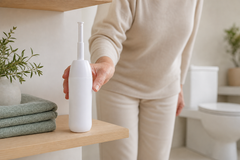
A perineal intimate cleansing bottle is a device designed for cleaning the perineum after childbirth. It facilitates personal hygiene and intimate care by allowing for gentle, targeted washing. Used daily, it helps maintain good perineal hygiene and significantly improves comfort. It is a valuable ally for new mothers who wish to take gentle care of their intimate area.
Discover why the perineal bottle can transform your intimate hygiene in the weeks following childbirth. This article explains its benefits and how to use it, which is very simple.
Why use a perineal bottle after childbirth?
During the postpartum phase, your body undergoes significant changes that require special attention. The perineum, in particular, needs delicate care to recover well. The perineal bottle is the simplest and most effective way to care for this highly sensitive area.

Facilitating hygiene during healing
This accessory allows you to clean your intimate area gently, without any rubbing. Right after childbirth, toilet paper can cause sharp pain. A stream of warm water, conversely, provides an immediately soothing sensation.
Unlike traditional methods, the perineal intimate bottle releases a delicate stream of water, for which you control the intensity yourself. It is the most adaptable solution for individual sensitivity.
| Cleaning Method | Effect on healing area | Comfort Level |
| Toilet paper | Irritating friction on sutures | Very uncomfortable |
| Water with a washcloth | Light friction possible | Moderately comfortable |
| Perineal bottle | No friction, respects stitches | Very comfortable and soothing |
Eliminating lochia and bleeding is also much simpler with a bottle: the water rinses without irritating tissues already weakened by childbirth.
Avoiding pain related to toilet paper
Toilet paper causes unpleasant rubbing on an area that has become extremely sensitive. For a new mother, every trip to the bathroom can trigger pain.
- Immediate pain: contact with paper irritates stitches or tears.
- Progressive irritation: repeated rubbing sustains redness and discomfort.
- Prolonged discomfort: without a suitable solution, the discomfort can persist for several weeks.
- Mental impact: dreading every trip to the bathroom adds to an already trying time.
Doing your intimate cleansing with a perineal bottle completely solves the problem: water replaces rubbing. You can use the toilet with peace of mind from the very first days.
An eco-friendly and economical solution
A toilet bidet sprayer is designed to last, while toilet paper must be bought constantly. You noticeably reduce your hygiene expenses — about €90 per person per year.
This alternative also helps preserve natural resources and teaches good habits to your children. Intimate hygiene becomes a simple, natural act that is respectful of the environment.
How to use the perineal bottle
Learning to use a perineal bottle takes a few seconds. Its operation is perfectly intuitive. Here are our tips for adopting it easily.
Filling and adjusting the temperature
The first step is to prepare the reservoir properly. Fill it with warm water, avoiding temperatures that are too hot or too cold. Warm water naturally soothes sensitive areas and relaxes the perineal muscles.
Correctly positioning the nozzle
Sit comfortably on the toilet, then point the nozzle downwards. Always proceed from front to back: this is the basic rule, which avoids any transfer of bacteria.
Gently squeeze the reservoir to create a gradual stream, then adjust the intensity according to your comfort. Always start gently.
Most users find their rhythm by the second or third time. Within a few days, this action becomes completely natural.
Maintaining your bottle
Regular maintenance is essential, both for hygiene and for the longevity of the equipment. After each use, rinse the reservoir thoroughly with clean water and empty it completely.
- Daily cleaning: wash the reservoir and nozzle with soapy water after use.
- Air drying: let all parts dry completely before storing them.
- Dry storage: keep the device in a dry and ventilated place.
- Weekly check: inspect the nozzle to ensure no residue is accumulating.
A few minutes of care are enough for safe and serene intimate cleansing every day.
The benefits of the perineal bottle
Flawless intimate hygiene is essential in the weeks following childbirth. As infections are a frequent concern for new mothers, the perineal bottle is a natural choice.

Limiting the risk of postpartum infection
The perineal bottle allows for deep cleaning of the area, without leaving residue. This region, particularly vulnerable after childbirth, is prone to bacterial growth: meticulous hygiene is therefore the first line of defense.
- Cleaning without friction: the stream washes away residue without irritating the mucous membrane, which is often weakened postpartum.
- Elimination of lochia: water makes rinsing away residual bleeding easier, limiting potential sources of irritation.
- Respect for natural balance: clear water, without soap or scented products, preserves the flora — which self-regulates very well on its own.
Official infection prevention recommendations emphasize the importance of appropriate cleansing and clean equipment. The Ministry of Health guide on preventing healthcare-associated infections recalls these general hygiene principles, which fully apply to the use of a bottle: clean water, and equipment cleaned and dried after each use.
Soothing the perineum daily
Warm water has a soothing effect on the perineum, which is often put to the test during birth. Every trip to the bathroom becomes a moment of relief rather than a source of apprehension.
- Sensation of relief: warm water instantly soothes swollen tissues.
- No friction: by eliminating rubbing, you allow the area to recover quietly.
- Less pain: the discomfort of the first few days fades much faster.
- Clean area: gentle, non-aggressive cleaning around stitches.
This is, in fact, the action most often recommended by midwives when leaving the maternity ward. Your recovery thus progresses day after day, without cleansing becoming an ordeal.
Integrating the bottle into a postnatal routine
Good hygiene relies on combining several gentle actions. The perineal bottle naturally finds its place in this routine.

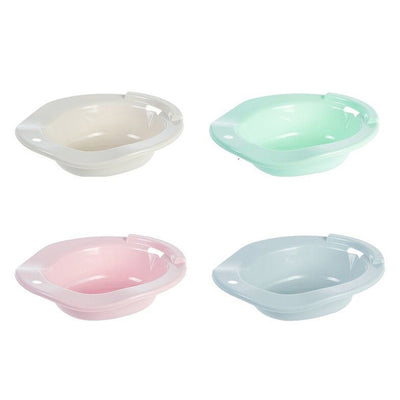
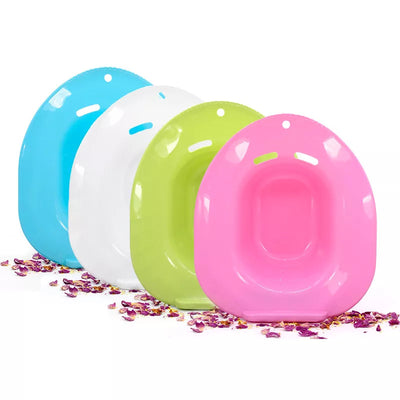
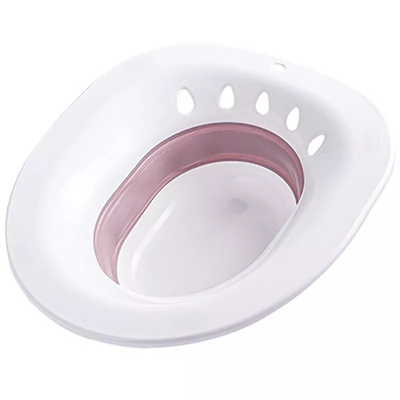
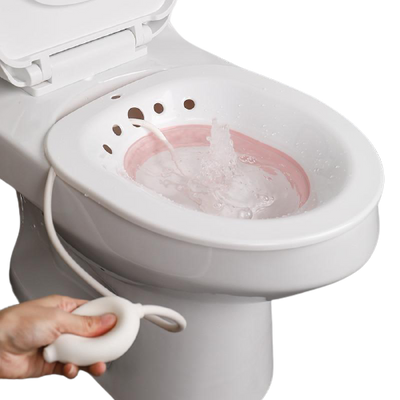
Combining perineal bottle and sitz baths
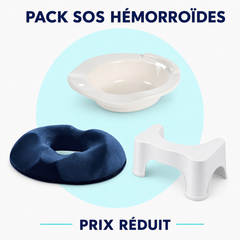
Right after childbirth, sitz baths provide deeper care. Use the intimate bottle for daily cleaning, and plan for additional sitz baths two to three times per week.
| Timing | Action | Duration and frequency |
| After toilet use | Perineal bottle | 1 to 2 minutes, every time |
| Morning or evening | Warm water sitz bath (37-38 °C) | 10 to 15 minutes, 2 to 3 times per week |
| In case of discomfort | Soothing sitz bath | 10 to 15 minutes (20 max), as needed |
Natural hygiene for the whole family
Using the perineal bottle benefits the whole household, far beyond the postpartum period. Similarly, sitz baths are useful for both children and adults.
- Ecological transition: gradually move away from toilet paper in favor of water for the whole family.
- Real savings: approximately €360 per year for a family of four.
- Less irritation: for every member of the household, at any age.
- Transmission: your children adopt hygiene that is respectful of their bodies and the environment.
Choosing your bottle
The market now offers many models. Making the right choice from the start ensures lasting satisfaction.
Comparison of bottle types
A bottle can take several forms, depending on the level of comfort desired. Some models offer adjustable pressure, others focus on easy handling, even with one hand.
- Flexible portable bidet: light and flexible, ideal for the maternity ward, travel, and getting accustomed gently.
- Electric portable bidet: rigid reservoir and motorized stream. It allows for very precise direction control, without having to squeeze.
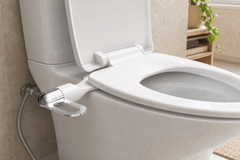
- Fixed toilet bidet sprayer: it installs on your toilet in a few minutes — the most practical solution over the long term.

Prioritizing comfort above all
Your final choice will depend above all on your sensitivity. Prioritize gentleness first, then adjust according to your actual needs.
Many mothers testify that suitable equipment transforms their daily comfort during recovery. Discover our range of toilet bidet sprayers and find the model that will best accompany you.
Frequently Asked Questions
How do I use a perineal bottle without the risk of infection?
Always direct the stream from front to back: this action respects your anatomy and avoids any transfer of bacteria. Use warm, clean water, and apply gentle pressure, to be adjusted gradually.
After each use, clean the bottle with soapy water, rinse it thoroughly, and dry it completely before storing it. This routine is the key to perfectly safe use after childbirth.
What is an intimate bottle for the perineum actually for?
It allows for the cleaning of the perineal area with extreme gentleness, particularly after childbirth. Its role: to clean without ever touching stitches or tears, and therefore without the painful friction of toilet paper.
Its stream of warm water soothes the tissue and makes every trip to the bathroom much more bearable. This is what makes it the accessory most often recommended upon leaving the maternity ward.
Can it be used from the maternity ward?
Yes, and it is often the medical team that suggests it. Most women start from the very first days following childbirth. Do not hesitate to ask your midwife for advice.
As soon as toilet paper becomes uncomfortable, the intimate bidet is a great help in soothing the perineum.