

How to Use a Portable Bidet: A Complete Step-by-Step Guide
Originally, bidets were small, very useful washbasins installed on the floor in bathrooms. They were used for cleaning oneself after using the toilet or after sexual intercourse. However, due to a lack of space, they have almost disappeared from our homes.
Learn more about the history of the bidet by reading our article dedicated to the subject.
Today, bidets are making a major comeback in the form of portable toilet sprayers, which are much more mobile and practical. Their use is spreading across the world. Why? Because the portable bidet replaces toilet paper (which isn't all that hygienic) while being more economical and ecological. It combines all the advantages of the classic bidet—better hygiene, respect for the skin—without its drawbacks: bulkiness and high cost.
Compact, equipped with a storage pouch and sometimes interchangeable nozzles, it fits into a handbag. All that remains is to know how to use it correctly.
If you are reading these lines, you likely already know the benefits of portable bidets for intimate hygiene. If not, read our article What is a portable bidet? first.
After the theory, let's move on to practice.
Discover our tutorial video: how to use a portable bidet
Using the portable bidet: the step-by-step guide
1. Filling the reservoir
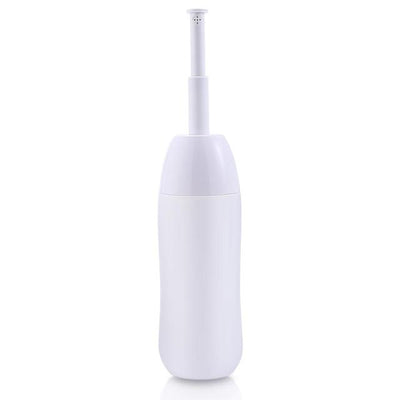
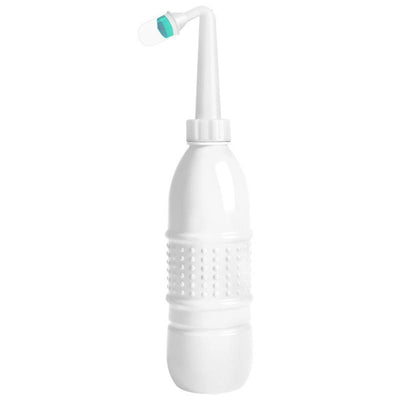
A portable bidet consists of a reservoir onto which a nozzle or sprayer is screwed. The first, essential step is to fill the reservoir with 300 to 500 ml of water, depending on the model, cold or lukewarm as you prefer. Lukewarm water is more comfortable, especially on sensitive skin.
2. The cleaning technique
After using the toilet, remain comfortably seated. Spread your knees slightly to facilitate access. Pass the sprayer head between your legs, or from the back depending on your preference, to direct the stream toward the area to be cleaned.
- With a manual portable bidet, you simply squeeze the reservoir with your hand to trigger the stream. These models are made of soft, ultra-light plastic.
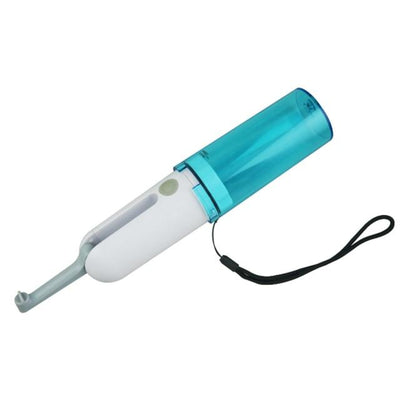
- With an electric portable bidet, which has a hard plastic reservoir, simply press the button.


In both cases, you control the water pressure: by pressing harder or softer on manual models, or by selecting the desired mode on an electric model (generally a stronger stream for the anal area, a gentler stream for the feminine area). The right setting makes all the difference. Always start with a gentle stream, then increase gradually until you find the intensity that suits you.
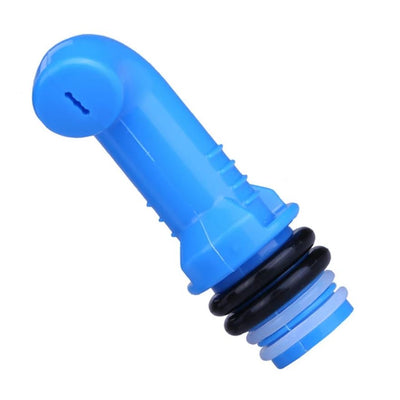
Some models have interchangeable nozzles to precisely target your needs (an anatomical nozzle angled at 60° for intimate care, a straight nozzle for other uses). Do not hesitate to test different pressure levels during your first uses. With a little practice, using the portable bidet becomes a completely natural motion.
Then empty the reservoir: in a few seconds, the job is done.
The stream dislodges and carries away all dirt, leaving the skin perfectly clean — with a feeling of cleanliness that you wouldn't imagine if you have used paper your whole life.
3. How to dry yourself
Cleaning obviously leaves the area slightly damp. Dry delicately with a washable towel left nearby, or pat with a sheet of paper. Washable toilet towels are more ecological and much gentler on the skin: they replace almost entirely toilet paper.
Care and maintenance of the portable bidet

After each use, rinse the sprayer and the reservoir with clear water for about ten seconds. Empty all water completely, then let air dry or pat with a clean cloth before storing your bidet.
Once a week, take advantage of washing your hands with soap to clean your portable bidet at the same time: it takes no more than thirty seconds.
From time to time, you can clean it with the disinfectant of your choice. Be sure to rinse it well afterward, so as not to expose your skin to irritating residues.
Storage and transport while traveling
After cleaning and drying, store your portable bidet in its protective pouch, away from direct light and heat. Check the tightness of the reservoir before transport to avoid any leaks.
When traveling, empty the reservoir and dry the device thoroughly before putting it back in its pouch. Compact and light — 100 to 200 grams depending on the model — it slips into a handbag, gym bag, or suitcase without adding the slightest bulk.
Practical tips for optimal hygiene
Tap water is more than sufficient: it cleans perfectly after bowel movements or intercourse. Since fecal matter is water-soluble, it breaks down naturally in water and detaches from the skin, which paper cannot do.
Of course, this cleaning is a supplement to your daily shower with soap. See the Health Insurance advice for intimate hygiene.
Some people like to add soap or a foaming product to the reservoir. You can do so, although it is not necessary. Be careful, however: repeated use of detergent on mucous membranes often ends up causing irritation.
The best cleaning technique
For optimal hygiene, always start with a low-intensity stream, which you will increase gradually. Hold the sprayer about three centimeters from the skin, without direct contact. Aim the stream forward to clean the vulva or penis, and backward for the anal area, using slight vertical movements to rinse every fold.
For women, clean the vulva before the anus, never the reverse. Always from front to back: this is the basic rule to avoid bringing bacteria from the anal area to the genital area. And let's remember: only the outside should be rinsed; the inside of the vagina is self-regulating.
Portable bidet or toilet paper?
The answer is definitive: the portable bidet ensures much better intimate hygiene than toilet paper, which, even if it removes the bulk, only spreads what remains. Daily use of paper alone is frequently the cause of irritation, itching, and unpleasant odors.
Furthermore, the bidet never comes into direct contact with dirt: it is the water stream that dislodges it. Unlike paper, which regularly tears and sometimes leaves traces on the fingers.
With paper, you are therefore directly exposed to bacteria, on your hands as well as your skin. This is why it is much wiser to use a portable bidet to rinse off with complete peace of mind. Their simplicity and effectiveness make all the difference.
The portable bidet while traveling

Its portability is a major asset. You can take your portable bidet in a handbag, backpack, or suitcase without difficulty. There are many sizes, from ultra-light and foldable models to classic versions. Some are supplied with a storage pouch and feature a retractable sprayer: discreet and easy to store.
When hiking or camping, no more need to carry a roll of paper that must constantly be protected from humidity — otherwise, it's a disaster. A portable bidet is robust, watertight, and will follow you everywhere.
By following this guide, you now know how to use a portable bidet. So, why not try it right now?