

How to dry off after using a bidet? A complete guide to modern solutions
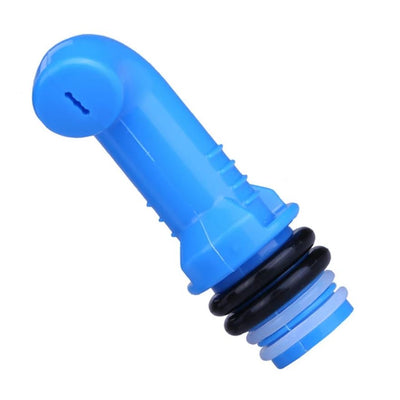
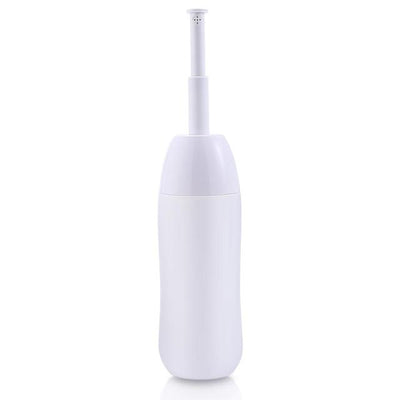
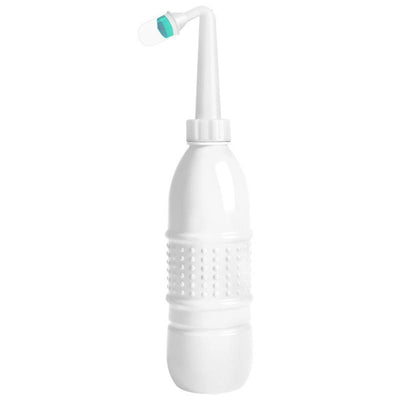
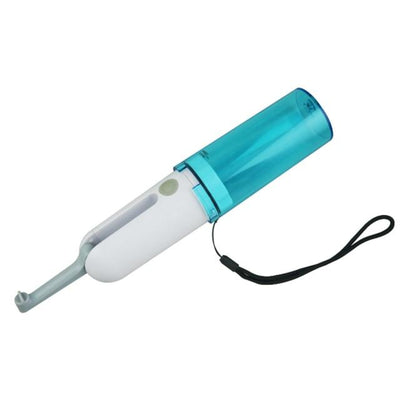
The use of the bidet is making a comeback today, in a completely modernized form. Long associated with old ceramic fixtures, the bidet has evolved into more practical, hygienic, and accessible solutions: portable bidets, bidet sprayers, and Japanese toilet kits.
One question systematically comes up for future users: how do you wipe after using a bidet? This article provides you with clear and practical answers, and presents the modern, economical, and ecological drying solutions available in our shop.
Do you still need to wipe after using a bidet?
This is often the first question people have when discovering the bidet, regardless of the model, old or modern. It is also at this stage that many consider adopting a portable bidet, a bidet sprayer, or a Japanese toilet kit, which are the simplest solutions to integrate into existing toilets.
How do you wipe after using a bidet?
After use, the intimate area is clean thanks to the water. It is therefore no longer a question of cleaning, but simply drying.
Wiping is light. The best technique is patting, without rubbing: this limits irritation and is respectful to the skin, including sensitive skin. Users equipped with a portable bidet or a bidet sprayer particularly appreciate this simplicity in their daily routine.

Should I wipe after using a bidet?
Yes, drying is recommended. Keeping this area dry helps preserve the mucous membranes and avoids the risk of itching and maceration.
Some complete Japanese toilets or electric Japanese toilet seats incorporate a warm air drying function. It is effective and comfortable, but the cost of the option is necessarily higher than a simple towel. Many users therefore prefer the simplest and most immediate solution.
The portable bidet eliminates the need for intensive wiping with toilet paper. The drying is then minimal: it is simply a matter of removing residual moisture. With the right accessories, this step takes a few seconds.
What should you use after using a bidet?
Once cleaning with water is complete, the question of accessories arises. New generation bidets come with simple, hygienic, and sustainable solutions designed to replace disposable toilet paper.
Recommended options:
Other solutions:
- Classic toilet paper ❌ (expensive and not very ecological)
- Integrated drying on some Japanese toilets (higher price)
Our solutions are part of a zero-waste, economical, and ecological approach.
Simply leave a small stack of towels within reach near the toilet seat. Set up a small basket for used towels and wash them regularly in the machine with your underwear.

How should a woman wipe after urinating?
With a portable bidet or a bidet sprayer, rinsing should be done from front to back. This practice respects intimate hygiene.
With a Japanese toilet kit, simply select the jet adapted to the area to be cleaned. Cleaning is done with warm or cold water depending on your preferences, via a retractable nozzle, with adjustable pressure.
Drying is then carried out in the same order, from front to back, with a clean toilet towel or washable toilet paper reserved for this purpose.

How do you know if you are clean after using a bidet?
Water allows for precise and effective cleaning. Unlike toilet paper, it actually removes residue.
A simple drying pass is sufficient. The absence of marks on the washable paper, or the feeling of freshness, is a reliable indicator.
Why aren't you wet after using a bidet?
This question is frequent among people who have never used a modern bidet. It often comes up when discovering portable bidets, whose operation is very different from old fixed bidets.
A well-used bidet does not cause excess water. Modern models allow for a targeted and controlled jet: the area is moistened only where it is necessary.
What are the disadvantages of a bidet?
New generation bidets are designed to be simple and intuitive. Any adjustments mainly concern the habit to take at the start.
With a portable bidet or a bidet sprayer, pressure and angle are easily controlled. Japanese toilet kits offer maximum comfort with precise settings. Contrary to popular belief, splashes are therefore very rare after the first few uses.
Why is the bidet no longer used?
Old fixed bidets gradually disappeared due to a lack of practicality and space in homes. However, their function has never lost its interest.
Modern solutions advantageously replace these old fixtures: they are compact, easy to install, and compatible with all toilets. Bidet sprayers perfectly meet current constraints while offering a superior level of hygiene.

Is a bidet more hygienic than wiping?
Yes. Water cleans where paper only wipes. It reduces irritation and improves intimate hygiene.
Combined with washable drying solutions, the bidet becomes a modern alternative that is gentle on the skin and the environment. For a simple transition, it is recommended to pair your bidet with reusable drying accessories, offered in our collection of toilet towels.
The portable bidet is therefore not only more hygienic but also more economical: you will no longer need to buy disposable paper, which is an average savings of €90 per person per year, nearly €360 for a family of four.
Conclusion
Using a bidet or a Japanese toilet (also called a washlet or Japanese toilet seat) changes intimate hygiene after using the toilet. Unlike classic toilets where you settle for toilet paper, these devices offer an adjustable water jet for precise washing of intimate parts.
Wiping after a bidet is nothing like the practices of the past. Portable bidets, bidet sprayers, and Japanese toilet kits represent a new generation of hygienic solutions.
They offer effective water cleaning, followed by simple drying using washable toilet paper or toilet towels. These accessories, economical and ecological, fit perfectly into a modern routine.
Discover now how to use a portable bidet.