

The History of the Bidet
First a luxury item, then a popular hygiene appliance, and now even a portable bidet! Discover the incredible history of the bidet, from its invention and its various transformations to its comeback in our modern toilets today. The journey of an increasingly innovative tool for health and well-being.
1 — The invention of the bidet

Simply put, the bidet is a low version of a sink, used mainly for intimate hygiene. No one knows exactly who originated this invention, but historians agree that it first appeared in France in the early 18th century. It is known, for instance, that in 1751, Madame de Pompadour (1721-1764), the famous favorite of King Louis XV, owned one made of particularly precious wood.
It must be said that before the bidet, any form of bathing was frowned upon: at the time, water was mainly seen as a spreader of miasmas, and people preferred dry washing. But the bidet would gradually spread until it became an essential sanitary fixture for intimate hygiene.
2 — The origin of the word "bidet"

The name of the piece of furniture actually derives from a breed of horse. It comes from the French word "bidet," which refers to a small workhorse, such as the Breton bidet. In Old French, the verb "bider" meant "to trot," also in relation to the animal. This object was named as such because of the original way it was used: in the same manner as if one were getting into a saddle. As the popular song "À dada sur mon bidet" ("Ride-a-cock-horse on my pony") reminds us!
3 — The bidet, a luxury item

The bidet is a French invention. Initially, it was used in palaces, by the nobility and then in the homes of the upper bourgeoisie for intimate ablutions. Its use was considered a civilized way to prepare before intercourse, or to rinse off afterwards. Moreover, it was installed in the bedroom. Whether made of carved wood, porcelain, earthenware, or even gold, it was a true luxury item.
4 — From the antique bidet to the modern bidet

Initially pear-shaped, it gradually took on the oval shape of a washbasin or a small bathtub. The bidet became democratized. Its use remained rustic: water was heated and then poured into the bidet before washing. It was from the 20th century onwards that the bidet underwent several improvements, thanks to advances in plumbing and the arrival of running water: drain connected to the sewer system, mixer tap, hand shower, and a jet cleverly positioned to wash effortlessly. The bidet then moved out of the bedroom and became an integral part of modern bathrooms.

5 — Bidet and sitz bath

The bidet also allows for the hygienic practice of a sitz bath, which consists of taking a localized bath of the perineum in cold or lukewarm water. It is traditionally used to provide relief in case of hemorrhoidal discomfort, to help lower a fever, or simply for toning. It is often combined with herbal infusions.
6 — The disappearance of the bidet

Nowadays, the bidet remains popular in many European countries, such as Italy or Portugal. In France, it has suffered from an outdated image for several decades. The adoption of toilet paper, which is far less economical and hygienic than washing with water, has reinforced this phenomenon.
Added to this "old-fashioned" reputation is a desire to save space in small apartment bathrooms. Now equipped with showers, the French prefer to install a washing machine in place of the old bidet. It has thus almost completely disappeared from the decor of French bathrooms.
7 — The Japanese toilet

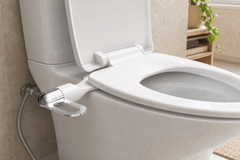
Fortunately, in recent years, it has been making a gradual comeback thanks to Japanese toilets. These are electric toilets with an integrated water jet, a kind of 2-in-1 bidet. Recent advances make them even easier to use: integrated lighting, automatic activation with sensors... some even talk.
8 — The portable bidet

Alongside these high-tech advances, the true latest revolution of the bidet lies in its simplest version: the portable bidet. Thanks to plastic, engineers have developed highly adaptable pocket models that are much less expensive than Japanese toilets and perfectly suited to the lack of space in modern bathrooms.
There are mainly two categories.
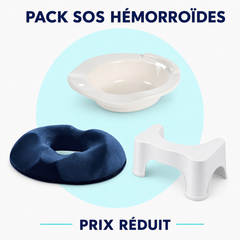
The first takes the form of a sitz bath basin to be placed on the toilet. Ergonomic and inexpensive, these new-generation basins allow for the cleaning of intimate areas, just like their enamel ancestors. Above all, they revive the ancestral practice of the sitz bath: it is difficult to soak your perineum with a Japanese toilet or in a shower, whereas here you just need to install the basin, soak, and then store it after use.

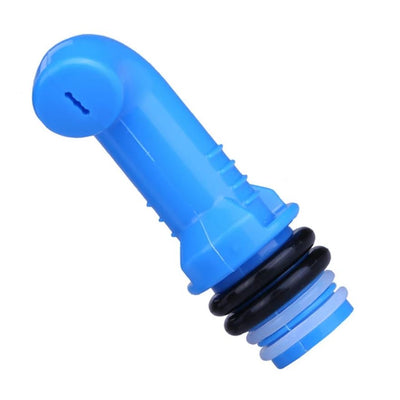
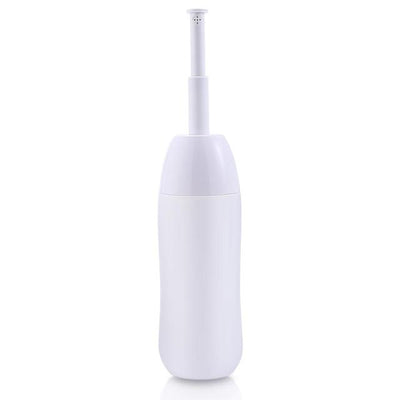
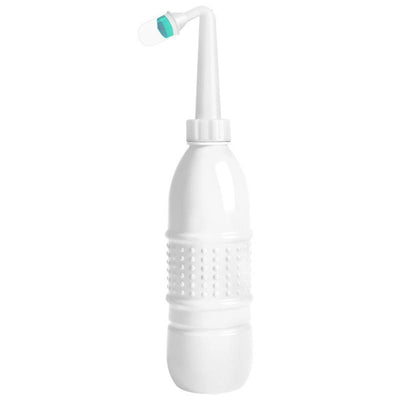
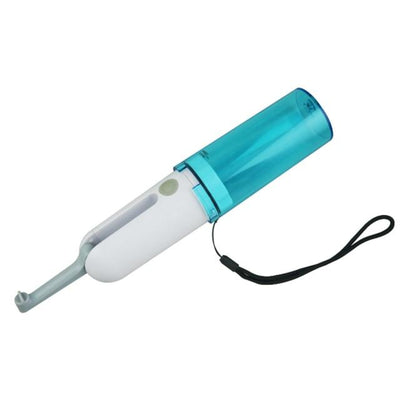
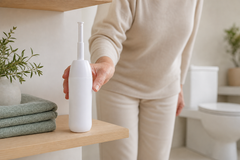
The second version is the portable bidet, a small water reservoir connected to a jet, to be used directly on the toilet or in the great outdoors for the more adventurous. It is operated manually by simply pressing on the reservoir, or by a button for electric models.
For more details, see our article How to use a portable bidet?
The portable bidet allows you to do without toilet paper, a gesture that is both economical and ecological. You can use it at home, but also take it everywhere with you for daily hygiene: public restrooms, travel, hiking.

With these innovations, the history of the bidet is far from over. Between contemporary ecological concerns and the comfort provided to its users, the bidet in all its forms still has a bright future ahead of it.
Want to know more? Consult our article What is a portable bidet?