

Sitz Bath: Which Natural Ingredients to use?
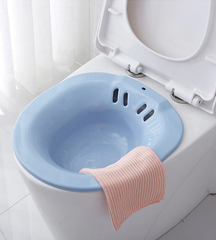
A sitz bath is practiced by immersing the buttocks and intimate areas in cold or hot water, depending on the desired result. In its classic form, only water is used. But there are many natural ingredients that can be added to a sitz bath to enrich its soothing effect on the intimate sphere. Here is an overview of what is traditionally used.
Sitz bath recipes
Essential oils for a sitz bath
Caution: an essential oil does not dilute in water. For a sitz bath, it must always be mixed beforehand with a dispersant (bath base, milk, honey, or a spoonful of vegetable oil) before being poured in. A few drops are enough, never more.
- Tea tree: traditionally recognized in aromatherapy for its antifungal and antibacterial properties, it is often cited for helping to prevent fungal infections and soothe irritation.
- Lavender: renowned for being soothing and calming, it is frequently used to relieve itching and sensations of irritation.
- Chamomile: appreciated for its softening properties, it is regularly recommended for cases of intimate discomfort.
- Peppermint: refreshing and invigorating, it provides an immediate cooling sensation. Use with great caution on sensitive areas.
- Lemongrass: its antibacterial and antifungal properties make it a commonly used ingredient for supplementary care.
- Bergamot: also renowned as an antibacterial. It is photosensitizing: avoid sun exposure after use.

Once the mixture is dispersed in the hot water, the usual duration is 15 to 20 minutes. This list is not exhaustive: other essential oils exist depending on the desired effect.
It is essential to respect the dosages and never use pure essential oil: it can irritate the skin and mucous membranes. Essential oils are not recommended for pregnant or breastfeeding women and young children. Seek the advice of a doctor or pharmacist before using them in your sitz bath: they may interact with certain treatments.
Vegetable oils for a sitz bath
Gentler than essential oils, they are used directly, at a rate of one tablespoon in the bath water.
- Coconut oil: rich in fatty acids, it is appreciated for nourishing and softening the skin.
- Arnica macerate: traditionally used to soothe sensitive areas and feelings of heaviness.
- Sweet almond oil: one of the gentlest, renowned for being nourishing and moisturizing.
- Hazelnut oil: penetrating and light, it leaves a non-greasy finish.
- Sesame oil: widely used in Ayurvedic medicine for its nourishing qualities.

Pour a little oil into the hot water of your sitz bath to enjoy its benefits. It will penetrate even better because the heat will have dilated the pores.
Plants for a sitz bath
Depending on the plant, leaves or flowers are used, in an infusion or decoction, which is strained before being poured into the bath water.
- Chamomile: soothing and softening, it is one of the most used plants in sitz baths.
- Lavender: calming, it is traditionally used to relieve sensations of irritation.
- Peppermint: refreshing, it provides a cooling effect appreciated during periods of discomfort.
- Thyme: renowned as an antifungal and antibacterial, it is regularly cited as a supplementary treatment.
- Arnica: traditionally used to soothe painful areas.
- Red vine: used for a long time in phytotherapy for its venotonic properties, it is one of the plants most associated with circulatory comfort in the intimate area, particularly in cases of hemorrhoids. It is used in a sitz bath in the form of dried leaves or extract.
- Witch hazel: an astringent plant par excellence, it is traditionally recommended to tighten tissues and soothe the sensation of congestion linked to hemorrhoids.
- Sage: astringent and renowned as an antibacterial, it is used as an infusion of dried leaves, for a 15 to 20-minute bath.
- Oak bark: very astringent, it is traditionally used in a decoction to tighten tissues, in the same proportions and for the same duration.

Many books deal with the external use of plants in infusions or decoctions. Seek the advice of a doctor or pharmacist before using these plants, especially in their concentrated forms: they may interact with certain treatments. An alcoholic tincture used in too large a quantity will irritate the skin and mucous membranes.
Other natural ingredients for a sitz bath
- Apple cider vinegar: traditionally credited with antifungal and antibacterial properties, it is used highly diluted (one to two tablespoons in the basin).
- Baking soda: one of the most used ingredients in sitz baths. It is renowned for neutralizing acidity and soothing itching sensations.
- Lemon juice: sometimes cited for its antibacterial properties, but its acidity makes it poorly suited to irritated mucous membranes. To be reserved for non-broken skin, highly diluted.
- Salt (coarse salt, Epsom salt, or sea salt): this is the most classic addition. A salt sitz bath is traditionally recommended to soothe and sanitize the intimate area.
- Green clay: recognized for its absorbent and purifying properties, it is used diluted in bath water.
- Starch (rice or wheat): its absorbent and softening properties make it a classic for soothing baths. Dilute it first in a little hot water before pouring it into the basin.

Find out more and respect the recommended dosages so as not to irritate the skin and mucous membranes. In case of illness, seek the advice of a doctor or a healthcare professional.
Cleaning intimate parts with water remains the foundation of good hygiene. Choose mild products adapted to intimate mucous membranes, and rinse properly with clear water after each cleaning. Also, remember to change your sanitary protection regularly and wash your hands before and after each intimate cleansing.
Bonus tip: alternating hot/cold sitz baths
Alternating between hot and cold sitz baths is a traditional technique, popularized by hydrotherapy, renowned for stimulating blood and lymphatic circulation in the intimate area. Hot water dilates the vessels, cold water constricts them. Practitioners of the method see it as a way to tone the body and fight against fatigue; in any case, this is the traditional use made of it by hydrotherapy enthusiasts.
To practice it, start with a hot water sitz bath for 5 to 10 minutes, then switch to cold water for 1 to 2 minutes. The alternation can be repeated two or three times, always finishing with cold, and rinsing with clear water.
This technique is not suitable for everyone: it is not recommended in cases of circulatory or heart problems, pregnancy, or reduced skin sensitivity. Seek the advice of a doctor before practicing it.
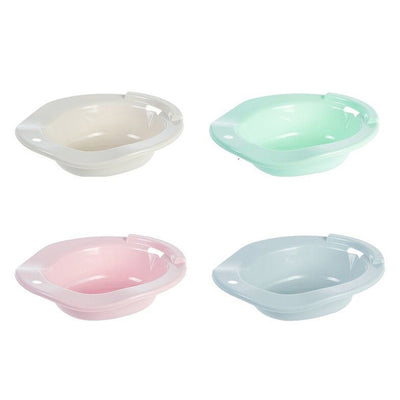
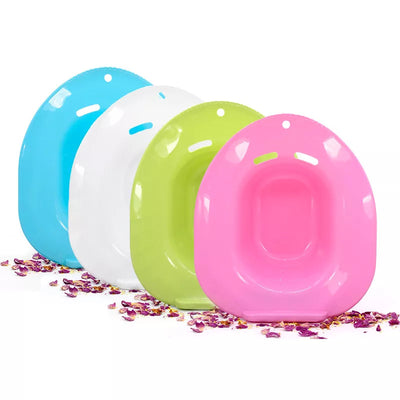
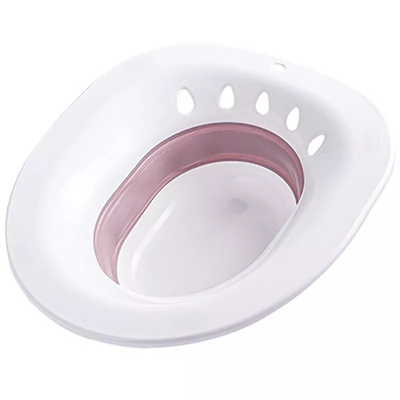
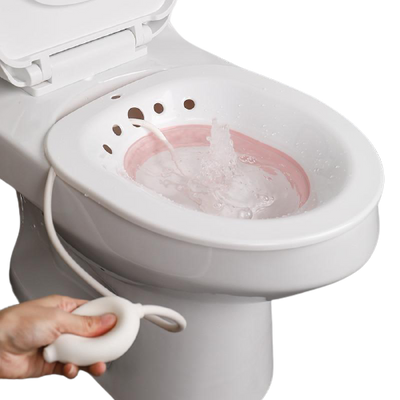
Try it now with a suitable basin. We offer sitz bath basins designed for use with hot water.

There you go, you know everything—or almost everything—about the ingredients to use for your sitz bath. All that's left is to try it. Enjoy this relaxing moment 😊
The sitz bath is a practice of wellness and hygiene. It does not replace medical advice: in case of persistent pain, bleeding, or unusual symptoms, consult a healthcare professional.