

Septivon foot bath: user guide for the antiseptic solution
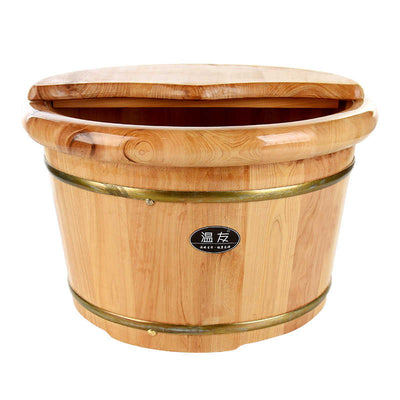
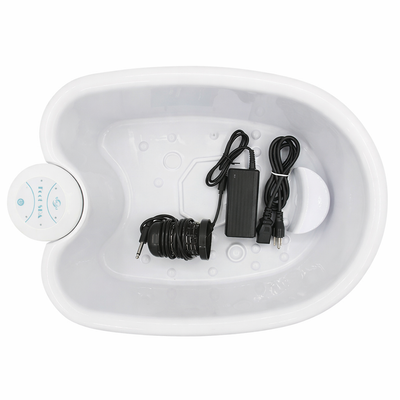
A Septivon foot bath requires precise dilution, an appropriate duration, and specific skin precautions. This guide outlines the soaking protocol, the use of this antiseptic medication, and situations that require the advice of a healthcare professional. To complete this equipment, also discover foot bath basins suitable for regular use at home.
Septivon foot bath: instructions for use
Septivon is a solution for cutaneous application containing 1.5 g of chlorhexidine digluconate per 100 ml, combined with a foaming agent. This antiseptic solution is used for cleaning and as an adjunctive treatment for infected skin lesions or those at risk of infection. Dosage and duration of use must be confirmed by a pharmacist or doctor, depending on the condition of the skin.

Indications for the medication Septivon
The chlorhexidine it contains acts on various microorganisms: it is bactericidal on Gram-positive germs and, to a lesser extent, on Gram-negative germs. For a small foot lesion, many people use a Septivon-based foot bath as an adjunctive measure, after seeking advice from their pharmacist.
- Infected lesions: the solution can be used to clean small skin wounds exposed to a risk of infection, such as a superficial ingrown toenail or a graze.
- Adjunctive treatment: Septivon does not replace medical treatment; a whitlow may require an antibiotic, while a fungal infection may require an antifungal prescribed after a diagnosis.
- External use only: the solution is not to be used in the eyes, on deep mucous membranes, or under an occlusive dressing. It is also not used for the disinfection of medical-surgical equipment.
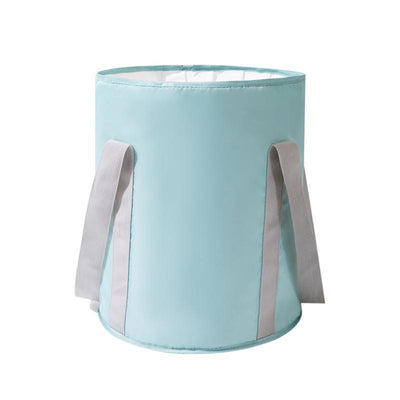
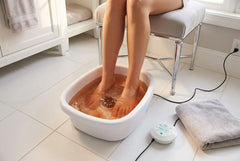
For occasional care, this portable foot bath made of flexible plastic with an insulating lining helps maintain temperature during soaking. A clean, easy-to-rinse basin that is large enough to completely submerge the foot remains essential for practical home use.
Preparing the soaking solution
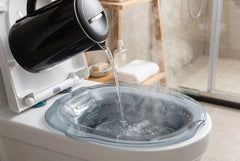
For a Septivon antiseptic foot bath, the recommended dilution is 3 capfuls of Septivon in 2 liters of water. Prepare the solution just before use, then close the bottle immediately after dosing: a diluted solution cannot be kept from one bath to the next.
The use of Septivon against foot fungus as a sole remedy should be avoided. Chlorhexidine has an antifungal action on Candida albicans, but a confirmed fungal infection requires an appropriate antifungal. For another antiseptic solution, also consult the Dakin foot bath guide.
- Dilution for soaking: 3 capfuls of Septivon in 2 liters of water, with a solution prepared just before use and not stored.
- Dilution for washing: for a simple wash, without soaking, the dilution is 3 capfuls for 1 liter of water.
- Pure application: on a small lesion, Septivon can be used pure, without dilution, in accordance with the package leaflet indications.
After soaking, rinse the feet thoroughly with clean water, then dry them by patting with a clean towel. Pay attention to the spaces between the toes, as residual moisture encourages fungal growth. Discard the contents of the basin after each bath.
| Method of use | Dilution | Water volume |
| Soaking (foot bath) | 3 capfuls | 2 liters |
| Skin wash | 3 capfuls | 1 liter |
| Direct application (small lesion) | Pure (undiluted) | — |
Using Septivon without irritating the skin
Using Septivon requires several skin precautions. Do not combine several antiseptics and do not mix the solution with soap or essential oils: these mixtures can reduce the antiseptic effect or increase irritation.
In case of a burning sensation, rinse the area immediately with clean water and stop use. Damaged or fragile skin may react more; people allergic to chlorhexidine must not use this product. Contraindications are specified in the official leaflet for the foot bath made with Septivon, which should be consulted before any use.
The bottle should be stored at a temperature not exceeding 25°C. Once opened, it should not be kept for more than three months.
Septivon and foot fungus
Many people turn to an antiseptic bath when they suspect a fungal infection between their toes. The solution for cutaneous application that is Septivon is reputed to act on Candida albicans, which can contribute to local sanitization of the skin. However, this action is not sufficient to treat an established fungal infection: a healthcare professional must make the diagnosis and offer an appropriate antifungal if necessary.
In practice, an antiseptic bath remains an additional hygiene measure, not a primary treatment. People with diabetes, circulatory disorders, or a loss of sensation in the feet must seek the advice of a doctor or podiatrist before any hot bath or local disinfection. Any foot wound in a diabetic person warrants prompt medical attention.
Frequently asked questions
How to use Septivon for a foot bath?
For soaking, pour 3 capfuls of Septivon into 2 liters of lukewarm water. Prepare the solution just before use. Submerge the foot for the duration recommended by your pharmacist or doctor, then rinse it thoroughly with clean water. Dry the skin completely, especially between the toes, and discard the solution: the basin water must never be reused.
Is Septivon effective against foot fungus?
The chlorhexidine contained in Septivon has antifungal activity on Candida albicans. However, this antiseptic solution is not a complete antifungal treatment. A fungal infection of the foot or nail requires a professional diagnosis and, if confirmed, an antifungal prescribed after consultation. A Septivon bath can accompany local hygiene, without replacing this treatment.
What are the main precautions for using Septivon?
Never mix Septivon with another antiseptic, soap, or essential oils: these combinations can reduce its effectiveness or irritate the skin. Its use is reserved for external and cutaneous application. Avoid contact with the eyes, do not ingest it, and do not use it under an occlusive dressing. In case of allergy to chlorhexidine, its use is contraindicated. If redness, pain, or swelling persists beyond two to three days, consult a healthcare professional quickly.