

Benefits of a hot foot bath for circulation
A simple warm foot bath can transform your daily well-being: better circulation, deep relaxation, and tension relief. Here are the ideal temperature, the best recipes, and the protocol to follow.
Warm foot bath and circulation
A warm water foot bath is the simplest way to boost blood circulation. Warm water dilates the vessels in the feet and legs, which promotes better oxygenation of the tissues.

Vasodilation and microcirculation
Soaking your feet in a basin of warm water activates blood flow. This process stimulates blood circulation and boosts the supply of nutrients to the tissues. The unpleasant sensation of cold feet disappears quickly.
- Oxygenation: heat increases blood flow to the feet and legs.
- Lymphatic stimulation: a homemade foot bath is traditionally associated with drainage and the elimination of toxins.
- Tired feet: a simple basin of warm water soothes heavy limbs and restores lightness to the legs.
Respect the ideal temperature, between 37 and 38 °C. Alternating between hot and cold helps to tone the vessels and soothe the feeling of swelling.
Decongestion of the head
Vasodilation of the extremities draws blood from the head towards the lower body. This is a well-known traditional practice, often used in cases of a heavy head or a feeling of congestion.
Many users associate it with true relief at the end of the day. It complements standard measures without replacing them: in the event of frequent or intense headaches, medical advice remains necessary.
Which temperature based on your profile?
The temperature depends on your needs. For complete relaxation, aim for water between 37 and 38 °C. In case of venous discomfort, prefer cooler water.
Diabetic individuals must absolutely use a thermometer before any immersion. In case of varicose veins, the temperature must not exceed 32 °C. Remember to regularly add warm water to maintain a stable temperature.
| Goal | Temperature | Duration | Frequency |
| General relaxation | 37-38 °C | 10-20 minutes | Once a week |
| Joint stiffness | 33-37 °C | 15-20 minutes | 2-3 times a week |
| Toning effect | 15-17 °C | 5-10 minutes | 2-3 times a week |
| Venous discomfort | Up to 32 °C | 10-15 minutes | 1-2 times a week |
Relaxation, sleep, and comfort
The benefits of a foot bath go far beyond circulation. Soaking your feet in warm water releases stress and muscle tension, which then promotes more restful sleep.

Warm water or cold water?
It all depends on what you are looking for. Very warm water offers a relaxing effect ideal for soothing tired muscles: the heat acts on the soles of the feet and releases accumulated tension.
Cold water, meanwhile, soothes the sensation of swelling and tones the legs. A session of about fifteen minutes is enough to enjoy the benefits of foot baths.
Salt recipes and natural ingredients
Epsom salt has properties valued for relaxing muscles. A few spoonfuls dissolved in your basin are enough to turn an ordinary treatment into a soothing moment.
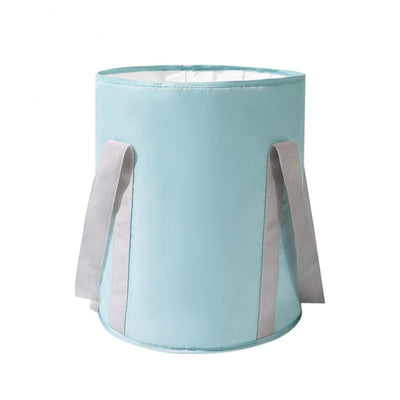
- Epsom salt: a few spoonfuls to soothe joints and relax the body. A collapsible basin is perfectly suitable.
- Baking soda: one or two spoonfuls to sanitize and deodorize, particularly suitable for sensitive skin.
- Fresh lemon: a few slices refresh the skin and limit unpleasant odors.
- Essential oils: a few drops diluted in a vegetable base or in the salt amplify relaxation.
Lavender or rosemary enhance the soothing effect. Apple cider vinegar, a great classic of the homemade foot bath, sanitizes the skin.
Soothing joint and muscle stiffness
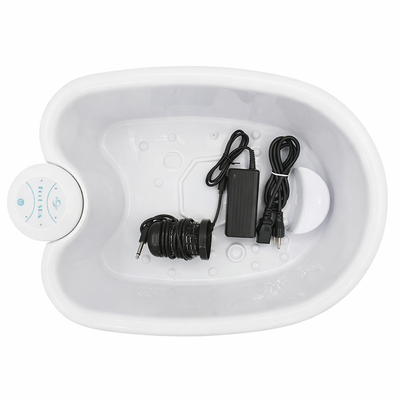
Heat soothes discomfort related to joint stiffness or plantar tension. A textured bottom also allows you to precisely massage each sensitive point.
The benefits of the bath often continue for several hours after the session. Practiced regularly, this habit helps to better handle daily plantar stiffness and limit the feeling of numbness in the legs.
About twenty minutes are enough to relax the body. Practiced several times a week, this habit becomes a true recovery routine.
Protocol and practical tips
Duration, frequency, and the right temperature form a decisive combination. Here are the steps for a successful treatment.

The right temperature according to the goal
- For relaxation: 37-38 °C for 15 to 20 minutes, ideal before bed.
- To soothe stiffness: between 33 and 37 °C, gentler on the joints.
- For a toning effect: cool water between 15 and 17 °C.
- In case of venous discomfort: never exceed 32 °C.
Always check the temperature with a thermometer. Fragile or diabetic individuals must remain particularly attentive.
Duration, frequency, and procedure
Ten to twenty minutes are enough. Beyond that, the skin softens excessively, which promotes maceration between the toes.
For general well-being maintenance, a weekly session is sufficient. If you are targeting chronic discomfort or a feeling of poor circulation, plan for two to three sessions per week.
Schedule your moment of relaxation at the end of the day. Once the soaking is finished, dry your feet very carefully before getting up.
Skin care after the bath
- Prior cleaning: wash your feet with lukewarm water and mild soap before starting.
- Gentle exfoliation: softened skin makes it easier to remove calluses with a pumice stone.
- Moisturizing: apply a rich cream right after drying, especially after an Epsom salt bath, which tends to dry out the skin.
- Nail care: cut and file carefully to complete the routine.
To optimize the massage, choose a basin with acupressure points. Also, remember to properly dilute your essential oils to avoid any irritation.
Frequently asked questions
Why does soaking feet in warm water feel so good?
As soon as you start soaking your feet in warm water, blood circulation is stimulated: heat dilates the vessels and promotes better oxygenation of the tissues.
This method also acts on the nerve endings of the arch of the foot, which is why there is such a sensation of deep relaxation. A very simple treatment for well-being worthy of a spa.
Which foot bath for heavy legs and swollen feet?
For heavy legs and swollen feet, a bath alternating hot and cold water is most appreciated. You can also incorporate Epsom salt into it.
This approach boosts circulation and alleviates the feeling of tired muscles. Be sure to maintain an appropriate temperature throughout the session.
Does a warm foot bath help you sleep better?
This is one of the most cited uses. Taking a warm foot bath in the evening releases tension accumulated during the day and promotes relaxation before bedtime.
The effect is enhanced by an essential oil with relaxing virtues. This little evening ritual prepares the body for a more restful night.
The foot bath is a comfort treatment. It does not replace medical advice or treatment. In case of diabetes, venous disorders, or frequent headaches, seek the advice of your doctor.