

Everything About Washable Toilet Paper
What can you use instead of toilet paper?
Throughout history, humans have naturally used water to clean themselves. Cleaning with water is the most practical, effective, and accessible solution. Even today, a large majority of the world's population does not use toilet paper. Our ancestors invented the bidet, which was replaced by disposable paper starting in the 1960s, driven by massive advertising campaigns. However, what is colloquially known as "TP" is actually a very poor choice, both in terms of hygiene and from an ecological and economic perspective.
Here is why we recommend using washable toilet wipes in addition to a portable bidet for your daily personal hygiene.

The advantages of washable toilet paper
Among the many options for reducing your ecological footprint, one always sparks curiosity: washable and reusable toilet paper. This solution puts an end to the tons of toilet paper thrown into toilets every year.
Although the idea may seem unusual at first, it is worth considering given its numerous benefits: washable toilet paper is ecological, hygienic, and easy to incorporate into a daily routine.
Ecological 🌳
On average, a person uses 100 rolls of toilet paper per year. Yet, manufacturing a single roll requires about 140 liters of water. The WWF estimates that 27,000 trees per day are felled globally for the toilet paper industry, a production that Greenpeace holds partially responsible for the deforestation of primary forests. To this, add the cardboard core and plastic packaging, which needlessly end up in the trash. These are all precious resources literally flushed down the toilet.
Reusable paper, meanwhile, is far more resource-efficient, with a carbon footprint that cannot be compared to that of disposable paper.
Economical 💰
Consumer spending on disposable paper is estimated at €90 per person per year, or nearly €360 for a family of four. A rather low estimate, in fact: since 2020, toilet paper prices have risen significantly. By switching to washable wipes, you make immediate savings, and the cost of your portable bidet is quickly recouped.
Dependency on paper. Remember how toilet paper shelves were emptied in 2020, with supply chains under strain for weeks. You might have been one of those who struggled to find a roll. With a toilet sprayer and washable toilet paper at home, you wouldn't have had that problem.

Hygienic 🌸
Washable toilet paper, when combined with water-based cleaning, is the gentlest solution for your skin. No irritation, no chemicals, and an incomparable feeling of freshness.
Discover now how to stay clean without toilet paper.
How do I use washable toilet paper?
Using washable toilet paper is very simple.
For urine. After a quick trip to the bathroom, men generally do not feel the need to wipe. For better hygiene, however, it is better to absorb the last drop — this prevents it from ending up in your underwear.
For women, we recommend rinsing with water using a portable bidet or a Japanese toilet system, then wiping with a washable towel. Simply place the used towel in a basket or a small laundry bag provided for this purpose in the bathroom.


For bowel movements. You should clean yourself with water before wiping, using a portable bidet, a toilet sprayer, or a Japanese toilet. Fecal matter is water-soluble: it falls into the bowl under the effect of the spray, leaving the skin perfectly clean. All that remains is to absorb the excess water with a washable cloth, which is then placed in the towel basket for dirty laundry.
During your period. Here too, rinse well with water before wiping. If any blood remains on the towel, rinse it immediately with cold water before washing your hands.
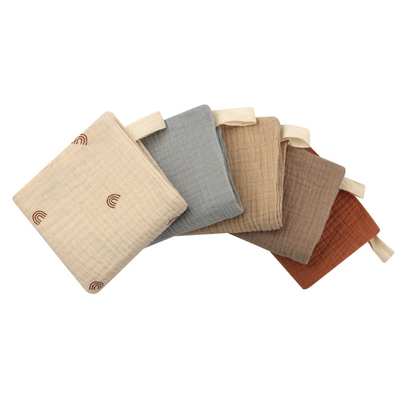
You can keep your washable towels flat or hang them on a towel rack next to the toilet. Some come with a hanging loop for this purpose.

The ideal approach is to keep a roll of traditional paper for your guests, or for family members who may not yet be convinced.
Washable toilet paper for bowel movements?
Many accept the idea of a washable towel for urine but hesitate when it comes to bowel movements. The doubt is understandable: we project our own habits and imagine a basket of foul-smelling laundry.
This overlooks the fact that preliminary cleaning with water entirely solves the issue. The jet from a portable bidet or a Japanese toilet leaves the skin perfectly clean; the towel is only used to dry the remaining few drops. There is therefore no odor, nor any contact with residue — unlike toilet paper, which sometimes leaves a mess on your fingers. Admit it.
How many washable sheets do I need?
It depends on how often you go. On average, there are 3 to 4 trips per day, and one towel is enough each time. Plan on about twenty sheets per person to ensure a weekly rotation.
Where should I put used towels?
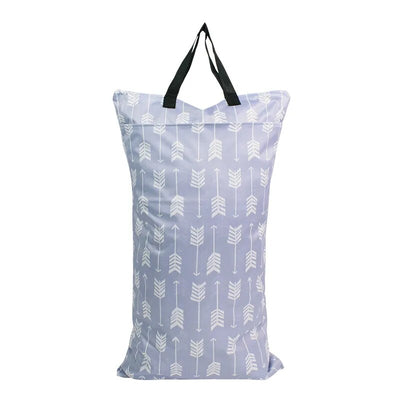
You can use a dedicated basket, which you empty regularly into the washing machine. Alternatively, use a washable toilet paper bag: a hermetic, waterproof, and resealable bag that, once full, can be machine-washed directly with the towels it contains. This allows you to handle used sheets without any direct contact.

You can keep your towels there for several days, just like in a regular dirty laundry basket. If you are worried about odors, add a little baking soda or a few drops of essential oil to the bottom of the bag before each use.
I'm afraid of handling dirty towels
Thanks to baskets and airtight bags, you will have no contact with used laundry. And rest assured: after cleaning with water, your towels are no dirtier than underwear worn throughout the day. Simply wash your hands after each trip to the bathroom, as usual.
Which fabric should I choose for washable toilet paper?
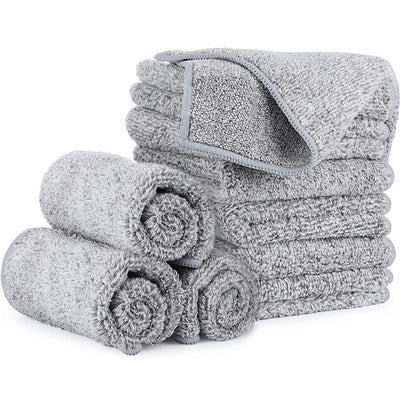
Composition matters. Unlike industrial disposable paper, our toilet towels contain no harsh chemicals for the skin. Made from organic cotton or bamboo fiber, their texture is both soft and absorbent, respecting mucous membranes and sensitive skin.

What is the difference between a toilet towel and washable paper?
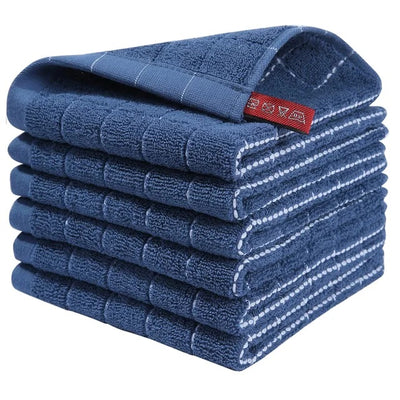
These names refer to the same type of product, with a few nuances. Washable toilet paper comes in various forms: square or rectangular towels, small or medium-sized.
Washable toilet paper refers to small squares about 15 cm per side, sewn with double layers of fabric, sometimes patterned.
The term toilet towel is used for larger and thicker pieces (20 to 30 cm per side), which look more like mini bath towels.
However, we advise against rolls of washable paper with snap buttons. These buttons can be irritating and serve no purpose other than to mimic the shape of a disposable roll. Not to mention that you have to snap the sheets back together after every wash — it's tedious.


I use "ecological" disposable paper, is that enough?
Manufacturers have adapted their messaging. There is now "responsible" toilet paper available, unbleached with chlorine or sourced from sustainably managed forests. But these papers remain water and resource-intensive to manufacture, often contain irritating substances, and remain a source of waste (plastic packaging, cardboard cores).
Same problem with wet wipes: less irritating due to moisture, but full of chemicals and waste-generating. Instead of flushing them down the toilet — where they clog pipes —, you throw them in the trash. Not great either.
Choose washable toilet paper: the only solution that is hygienic, economical, ecological, and zero waste.
How do I convince other members of the household?
Give them a choice. Place your stack of washable paper in the bathroom and always leave the roll of "TP" they are used to available. Thanks to this compromise, you will avoid tension, and sooner or later they will let themselves be tempted by your curious system. There is no doubt that they will end up adopting it after realizing all its advantages. This advice also applies to your guests.
Keep in mind that the important thing is to take care of yourself while reducing your consumption of disposable paper. Striving for zero waste is above all a personal journey.
How do I wash washable toilet paper?
You can wash your toilet towels in the machine at low temperatures, with your underwear. A wash cycle for colors at 30 or 40°C is more than enough: thanks to prior cleaning with water, the towels are no dirtier than underwear worn throughout the day.
If you use a washable paper bag, place it filled directly into the machine, with the zip open.
After washing, let the squares air dry. Avoid the tumble dryer, which damages fibers: this way, your towels will serve you for years.

Does this mean more laundry and more loads?
No. No need to start a special load: add them to your color wash at 30 or 40°C. They won't take up more space than a few pairs of socks.
Will I increase my water consumption?
No, because you won't be doing more loads, and the consumption of a Japanese toilet or a portable bidet is negligible — about a glass of water. Compare that to the 140 liters of water needed to manufacture a single roll of paper.
So, are you ready to take the plunge? Dare to go zero waste in the bathroom, for the planet as much as for your own comfort.