

How to use a bidet: Step-by-step guide and hygiene tips
Are you wondering how to incorporate the use of a bidet into your daily routine for optimal hygiene? This guide details every step to mastering this cleaning method, which is both effective and eco-friendly. Discover comfortable positions, water settings, and techniques for an impeccable and pleasant intimate cleanse.
What is a bidet and how to use it correctly
Its primary purpose is to allow you to clean your private parts immediately after using the toilet. It can entirely replace toilet paper or complement its use for enhanced cleanliness. It is an independent sanitary fixture that ensures superior hygiene, which is particularly appreciated by those with sensitive skin or hemorrhoids.
It is most often installed next to the toilet in the bathroom for easy access. It is generally equipped with a central water nozzle and faucets that allow you to adjust the temperature and the intensity of the spray.

Ideal position on the bidet according to your needs
But how do you use a bidet in practice? Once you have finished using the toilet, sit on the bidet. This ergonomic position prevents any risk of slipping and offers you optimal control of the spray over your genitals or anal area:
- Feet flat: For greater stability, keep your feet spread hip-width apart.
- Knees slightly bent: This posture is comfortable and facilitates access for the water jets.
- Back straight: Maintain a natural, upright posture throughout your cleanse.
- Appropriate distance: Position yourself close enough to the nozzle to receive the water without causing splashes.

Difference between facing and facing away from the faucets
There are two main orientations, each meeting specific needs. Sitting facing away from the faucets often allows for more precise cleaning of the anal area. Conversely, positioning yourself facing the faucets is generally better suited for the hygiene of the genital area.
For women, the position facing the faucets is often recommended to minimize the risk of contamination. Men can test both options to determine which suits them best.
How to wash with a bidet step by step
Knowing how to wash with water can truly revolutionize your daily intimate hygiene routine. This guide details every step, from adjusting the water to the final drying, for absolute cleanliness.
Optimal temperature and flow adjustment
To begin, straddle the bidet and carefully set the temperature between 35 and 38°C (95–100°F). It is essential to obtain comfortable lukewarm water using the mixer tap, as water that is too hot could burn your skin. Always start with a low-pressure spray to prevent splashing.
- Preliminary test: Always check the heat of the water with your hand before proceeding to clean.
- Gradual adjustment: Increase the power of the spray little by little according to your feeling of comfort.
- Optimal range: Maintain a stable temperature between 35 and 38°C for maximum safety.
| Temperature | Effect on skin | Recommendation |
| Below 20°C | Cold, potential discomfort | Avoid |
| 20-30°C | Cool to temperate, stimulating | Acceptable |
| 30-38°C | Lukewarm and pleasant | Ideal |
| Above 40°C | Risk of burns | Avoid |
Remember to test the spray on your hand before directing it toward your private parts. This basic precaution ensures that the pressure and temperature suit you perfectly. This way, you will avoid any unpleasant thermal sensations when washing your sensitive intimate areas.
How do you wash with a bidet? Cleaning technique and direction of the water jet
The rules for using a bidet require a specific technique to ensure flawless cleanliness. You can use your hand or a washcloth to direct the water toward the anal or vulvar area. Always work from front to back.
- Circular motions: Perform gentle movements for a cleanse that is both effective and delicate.
- Controlled direction: Direct the spray precisely toward the parts that require the most attention.
- Optional neutral soap: Use a product adapted for intimate hygiene if needed, then rinse thoroughly.
How to dry off after using the bidet?
Drying is a crucial phase to avoid irritation. Gently pat the skin dry with a personal towel rather than rubbing the damp area vigorously. If you have a modern integrated bidet or an electric Japanese toilet seat, you can simply activate the warm air drying function.

We do not recommend the use of toilet paper: discover why toilet paper is an ecological disaster.
Don't forget to rinse the bowl and the faucet with clear water to remove any residue. This simple act helps wash the equipment and prevents the buildup of limescale or dirt. Your bidet will thus remain clean and ready for another hygienic use.
Practical alternative: the portable bidet and its maintenance
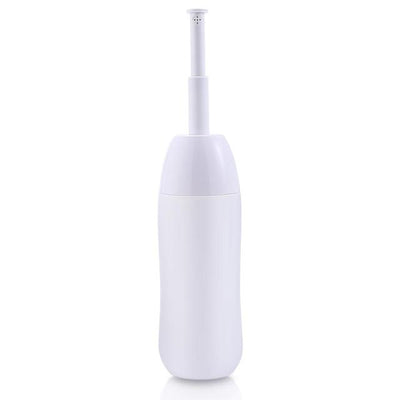
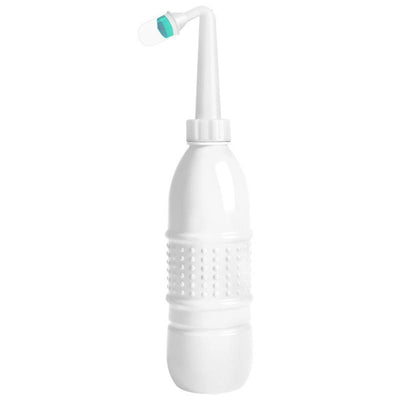
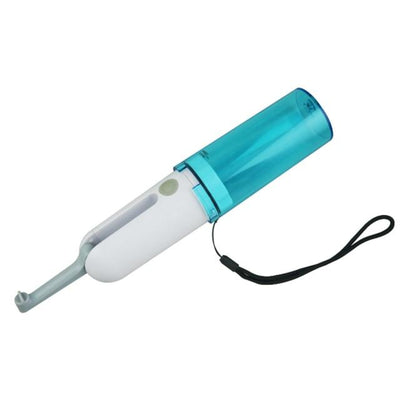
If you lack the space or budget for a classic installation, the manual portable bidet is an ideal compact and ecological solution. This small accessory revolutionizes your intimate hygiene routine by offering the same advantages as a traditional model without requiring plumbing work. It can be used by men, women, and children alike.

How the manual portable bidet works for beginners
The manual portable bidet works on a simple principle: pressing the reservoir releases a gentle and effective jet of water, ensuring optimal cleansing without any irritation. Its compact size allows it to slip easily into a bag, making it extremely practical at home and on the go.
- Simple filling: Just pour lukewarm water into the squeezable 400 ml capacity reservoir.
- Manual activation: A simple squeeze of the handle is enough to trigger a precise jet of water for washing.
- Sitting or standing use: Benefit from total flexibility for an intimate cleanse tailored to your preferences.
These portable bidet models store discreetly in a drawer or suitcase thanks to their lightweight design. Their use for intimate hygiene is particularly appreciated by people prone to hemorrhoids, pregnant women, or for cleaning babies. It is the ideal solution for good intimate hygiene while avoiding toilet paper, which is often a source of irritation.
Regular maintenance of the bidet to avoid limescale and residue
It is recommended to clean the device at least once a week to prevent the accumulation of mineral deposits, especially in regions with hard water. Use a soft cloth soaked in a solution of diluted white vinegar (1 part vinegar to 4 parts water) to scrub the nozzles, base, and seals, then rinse thoroughly with clear water. For more stubborn residue, let the mixture sit for 5 to 10 minutes before trying again. A deeper monthly cleaning with an anti-limescale product certified for sanitary equipment helps remove embedded deposits and ensures optimal jet operation. Finally, always wipe the bidet with a dry cloth after each use to reduce moisture and prevent the formation of mold.

Ecological impact of the bidet versus toilet paper
Paper consumption represents a true environmental disaster, leading to the felling of millions of trees every year. The production of a single roll requires about 140 liters of water, contributing to the depletion of our natural resources. Choosing to use a bidet, portable or fixed, is a concrete ecological alternative to significantly reduce your personal footprint.
Adopting the portable bidet allows you to reduce your toilet paper consumption by 70 to 90%, resulting in substantial savings: approximately €90 per person per year, or nearly €360 for a family of four. By replacing paper with washing with water, you contribute directly to the preservation of global forests.
Do doctors recommend bidets?
Many healthcare professionals present washing with water as an interesting option for intimate hygiene, particularly for people prone to hemorrhoids or skin irritation. Cleaning with water is generally described as gentler than repeated wiping with toilet paper.
The use of a bidet in your bathroom also limits contact with the chemical agents sometimes present in paper. This is why this intimate cleanse with water is often cited among daily comfort habits.
There you have it: to use a bidet, it is essential to choose the type of bidet that suits your home and follow a few simple tips. After each use, remember to wash the equipment to ensure optimal hygiene. The role of the bidet is not limited to cleaning: it improves comfort, reduces paper use, and contributes to a lasting feeling of freshness.
The information in this article is provided for informational purposes only and does not replace medical advice.