

Adopt the correct posture with a physiological toilet stool
Adopting the right position on the toilet significantly improves your daily digestive comfort. Our guide explains how to find an ideal position for your intestinal well-being.
Humans have always favored the squatting position for bowel movements, a natural position that respects our anatomy. Unfortunately, modern toilets force us to sit at a right angle, which does not facilitate evacuation.
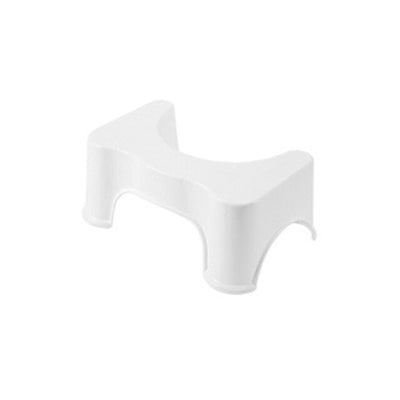
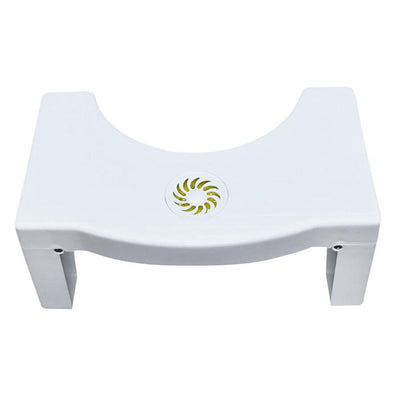
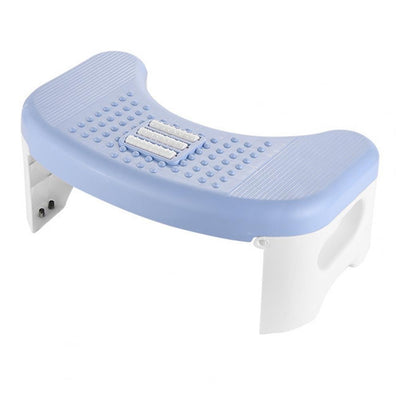
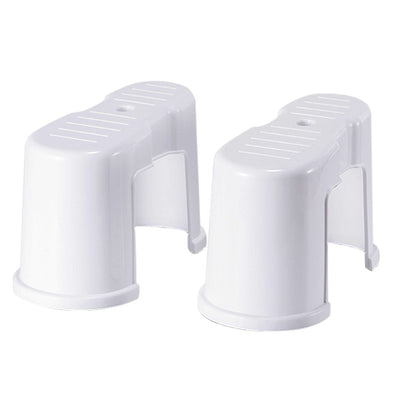
The physiological stool is a small footrest placed in front of the toilet bowl that recreates this physiological posture. It is a simple and discreet solution to optimize your comfort in the bathroom.
Why is the squatting position physiologically optimal?
Using a physiological toilet stool helps restore the ideal posture. Elevating the feet opens the ano-rectal angle and relaxes the puborectalis muscle, which unlocks the rectum for a more natural evacuation.

The effortless ano-rectal angle
Finding the best position for using the toilet helps align the colon with the exit. This adjustment facilitates defecation by avoiding straining: stools are passed more naturally, which protects the perineum and the pelvic floor.
- Relaxation of the puborectalis: this muscle relaxes and allows stools to pass without resistance.
- Alignment of the colon: it points downwards, which improves transit.
- Reduction of pressure: gravity does the work for you, and abdominal effort is reduced.
Studies published on the subject all point to the same conclusion: finding the right position reduces time spent in the bathroom. Having the knees raised creates the biomechanical environment the body expects.
The limitations of the traditional sitting position
Sitting in the conventional way keeps your anal canal partially bent, creating tension. This resistance makes evacuation difficult and often incomplete, forcing you to push. Knowing how to use a toilet stool then becomes very useful.
This posture exposes the anal area to repeated pressure, which promotes the appearance of hemorrhoids. Adopting the correct position with a physiological stool corrects this specific point.
What studies and users report
The available work describes easier evacuation and shorter time spent. Finding the right height is what makes the difference, often within a few weeks of use.
Many users report a decrease in bloating. Since emptying is more complete, the colon empties better, which leads to more stable intestinal comfort.
Beyond constipation, this accessory spares the pelvic system: less pressure, less strain on the area. It is a simple gesture for daily comfort.
How to use your physiological stool correctly
Using a physiological stool requires no special skills, but a few adjustments significantly improve the experience. The positioning and inclination of the torso together create the conditions for a natural evacuation.
This physiological toilet stool fits most toilets and offers a raised-knees position with an angle of about 35°. It remains stable thanks to its recyclable plastic construction, and the whole family can use it, including as a step stool in the bathroom.

Choosing the height suited to your body type
Knowing how to use a toilet stool begins with selecting the right height, which depends on your height and the dimensions of your toilet bowl.
- Under 1.70 m: an 18 to 20 cm model helps achieve the ideal angle.
- Between 1.70 m and 1.85 m: a height of 17 to 18 cm is perfectly suitable.
- Over 1.85 m: a height of 14 to 17 cm is sufficient to create the 35° angle.
- Practical check: when your raised knees are slightly above the hip level while sitting, the height is correct.
A well-chosen height ensures that the physiological angle is respected without strain. Ill-suited equipment reduces the stool's effectiveness. The table below refines the choice according to your profile.
| User stature | Standard bowl (40 cm) | Raised bowl (45-50 cm) |
| Under 1.70 m | 18-20 cm | 17-20 cm |
| 1.70 m to 1.85 m | 17-18 cm | 14-17 cm |
| Over 1.85 m | 14-17 cm | 12-14 cm |
Positioning your feet and adopting the right posture
Place the accessory just in front of the bowl, perpendicularly. Place your feet flat on the surface, with your toes slightly pointing outward.
- Torso position: gently lean your torso forward.
- Arm support: rest your forearms on your thighs to accentuate the angle and stabilize your posture.
- Stool stability: ensure the equipment remains stationary thanks to its non-slip pads, even on damp floors.
- Relaxation: breathe deeply and let gravity work.
This method relaxes the puborectalis muscle and limits the effort of pushing. It engages the diaphragm to create balanced intra-abdominal pressure, making evacuation smoother.
Care and daily use
Maintain your equipment regularly to ensure good hygiene and a long lifespan. Simple cleaning with lukewarm soapy water and a soft sponge is sufficient. Wipe dry with a clean cloth afterward.
Use the physiological stool every time you go to the bathroom to gradually train your body. After a few weeks, most users report less bloating and better regularity.
Storage is simplified by its curved design, which fits the base of the toilet bowl. Some folding models store easily in tight spaces while maintaining good stability.
Why people adopt the physiological stool
Beyond the practical aspect, using a physiological stool improves digestive comfort on a daily basis. Its benefits become apparent over time.
Constipation, hemorrhoids, and bloating
Adopting the best position for using the toilet helps limit constipation, hemorrhoid discomfort, and bloating. Stools are passed more naturally, and you no longer have to strain against the contracted puborectalis muscle.
- Constipation: a large majority of users see improvement within a few weeks.
- Hemorrhoid comfort: pelvic pressure decreases, which relieves the area.
- Bloating: more complete emptying of the colon limits annoying residues.
This more complete evacuation often reduces the need for laxatives. Your body returns to a more regular rhythm without strain.
Protecting the perineum and improving bowel transit
This device spares the perineum, an essential muscle area of the pelvic floor. Excessive straining weakens it: by returning to a natural position, you limit this stress.
New mothers particularly appreciate this protection after childbirth. Seniors fear the effort less, which restores their confidence in the bathroom. More regular transit also means less fatigue.
A model suitable for the whole family
This type of accessory adapts perfectly to family needs. Children benefit from a better position early on. Seniors appreciate the step stool feature, which secures their balance and makes reaching the sink easier.
A foldable physiological stool makes it easy to adopt the right position. Its non-slip pads ensure good stability, even on wet floors.
Frequently Asked Questions
What is the correct position for sitting on the toilet?
The best position involves having your knees raised above the level of your hips. Using a physiological stool in front of the toilet makes this posture simple and natural. This angle relaxes the puborectalis muscle, which facilitates defecation without straining.
Why put a stool in the toilet?
Elevating your feet helps you return to the squatting position, the one the body used naturally before modern toilets. This posture optimizes the alignment of the colon and rectum and facilitates complete evacuation. It also protects the perineum and limits the pressure associated with hemorrhoidal discomfort.
Which stool should you choose in case of constipation?
Choose a model offering the right height for your body type to promote puborectalis relaxation. Prefer a physiological stool made of stable and non-slip materials.
For best results, combine this practice with good hydration and a fiber-rich diet.
The physiological stool is a comfort accessory. It does not replace medical advice or treatment.