

Presentation: The Sitz Bath Basin
The sitz bath, an ancient hygiene practice, is making a comeback for its benefits to intimate comfort. A sitz bath basin is the essential tool for practicing it at home, simply and comfortably. In this article, we explain how to use it and the benefits it offers.
What is a sitz bath basin?
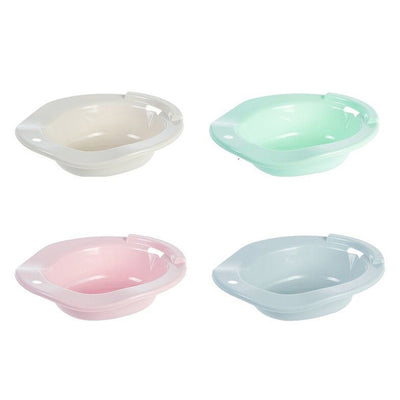
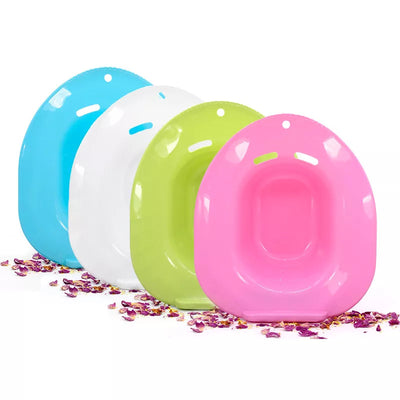
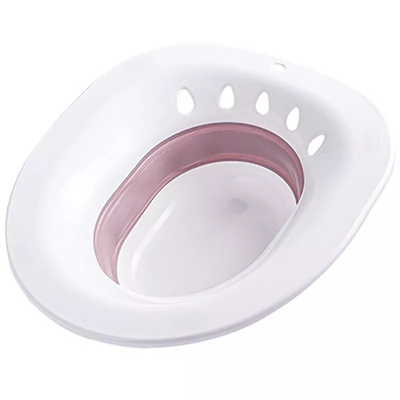
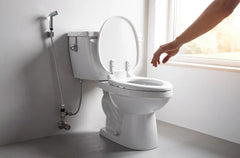
A sitz bath basin is a shallow bowl, usually made of plastic, designed to be placed on the toilet. It allows you to sit and soak the perineal area in water or a soothing solution for targeted relief—without having to fill a bathtub.
How to use a sitz bath basin
-
Preparing the basin
- Clean the basin before each use to ensure optimal hygiene.
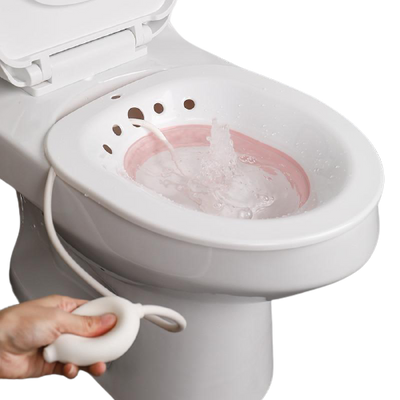
- Place it on the toilet bowl. Our models fit 99% of standard toilets.
-
Filling
- Fill the basin with warm or cold water, to a depth of 5 to 10 cm. You can add Epsom salt, a herbal infusion, or baking soda, depending on your needs.
-
Positioning
- Sit down comfortably, ensuring the perineal area is well submerged. Make sure you are stable and at ease.
-
Duration of the bath
- Stay for 10 to 15 minutes (20 at most), depending on the purpose and how you feel. This is the time usually recommended to let the water and ingredients take effect.
-
After the bath
- Dry yourself gently by patting with a clean towel. Clean the basin after each use and store it in a clean, dry place.
Watch our presentation video for the sitz bath basin.
The benefits of a sitz bath basin
-
Relief from pain and discomfort
- The sitz bath is the traditional go-to for soothing the perineal and anal area. It is commonly recommended by midwives after childbirth and is one of the most suggested remedies for anal fissures or to relieve hemorrhoid discomfort.
-
Circulation stimulation
- Warm water dilates blood vessels, which promotes circulation in the perineal region. This explains the feeling of relaxation and relief reported by users.
- Cold water acts as a nervous system stimulant: there is nothing like a 5-minute cold sitz bath in the morning to start the day off right. It is also a traditional method for helping to lower body temperature in case of fever—a remedy still commonly passed down, particularly for infants, as a complement to, and never a replacement for, medical advice.
-
Gentle hygiene and cleaning
- The sitz bath provides a gentle and thorough cleaning of the genital and anal area, which is particularly appreciated by those who are sensitive or prone to irritation. Some models are equipped with a bulb syringe and sprayer to facilitate rinsing: ideal for those with limited mobility.
-
Relaxation and stress reduction
- Sitting in a warm bath is soothing. It helps to release perineal tension and promotes a sense of general well-being.
-
Ease of use
- The basin is set up in seconds and requires no complex preparation: it remains accessible at any time at home.
-
Portability
- Lightweight and compact, it is easily transported and can even be used on the go—a practical solution for travel or at a hotel.
Tips for getting the most out of your sitz bath
-
Regularity
- For chronic discomfort like hemorrhoids, regularity matters more than duration: 2 to 3 baths per day during flare-ups.
-
Additional ingredients
- Add ingredients based on your needs: Epsom salt, traditionally known for being soothing, or a chamomile infusion for relaxation. Essential oils must always be diluted in a dispersant beforehand.
-
Medical advice
- If you have a specific medical condition, or if you are pregnant, seek advice from a healthcare professional before starting.
In summary
The sitz bath basin is a simple and incredibly practical tool for taking care of the perineal area. Used regularly, it provides real comfort, improves intimate hygiene, and offers a moment of relaxation. Accessible and easy to use, it deserves a place in your routine. Discover our collection of sitz bath basins and choose the model that suits you.
The sitz bath is a hygiene and wellness practice. It does not replace medical advice: in case of persistent pain, bleeding, or fever, consult a healthcare professional.