

Foot bath for fungus: effective treatments and remedies
Are you looking for a simple solution to manage a foot fungus at home? A foot bath can quickly relieve annoying symptoms and prepare the skin to receive antifungal treatment.
Foot fungus: symptoms and the role of foot baths
This skin condition, often called athlete's foot, arises from the multiplication of a fungus in warm, humid environments. It generally causes itching and redness between the toes. A foot bath then becomes a valuable ally in soothing discomfort.

Athlete's foot and nail fungus: how to recognize them?
Athlete's foot often leads to intense itching, painful cracks, and unpleasant odors. A foot bath cleanses the skin and improves overall hygiene. Conversely, onychomycosis causes the affected nail to turn yellow, thicken, and become brittle.
The symptoms of nail fungus differ significantly from those observed on the skin: the nail becomes cloudy, thick, and often crumbly. This type of infection requires a specific topical product prescribed by a doctor.
- Persistent itching between the toes or on the soles, often more pronounced in the evening after a day in closed shoes.
- Redness and irritation on weakened skin, sometimes accompanied by small blisters or chapping.
- Characteristic unpleasant odor, linked to microbial proliferation.
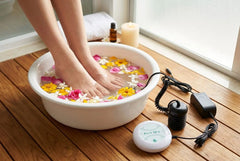
Soaking your feet in lukewarm water softens the thickened layer of skin. This step prepares the area to optimize the effectiveness of your cream. Being consistent with these soaks improves overall comfort.
The foot bath, a complementary practice
This gentle method never replaces a medical prescription, but it reduces daily discomfort. By rebalancing the skin's pH, it creates an environment less favorable to the fungus and helps soothe redness.
It is generally recommended to combine these baths with the application of your usual cream. This combination is particularly relevant when nails are affected.
When to use an antifungal foot bath?
Use these soaks as soon as symptoms cause real daily inconvenience: itching, persistent redness, or dry skin with cracks between the toes.
The main goal is to reduce the humidity that promotes these issues. After your bath, it is essential to thoroughly dry the spaces between your toes: this precaution significantly limits recurrence.
A well-executed soak softens calluses and facilitates natural exfoliation, which prepares the skin to better absorb subsequently applied treatments.
How to do a foot bath for fungus
This requires minimal equipment but a rigorous method. The principle is based on three pillars: temperature, immersion time, and the dosage of ingredients. A dedicated basin greatly facilitates consistency.
Hot water or cold water?
Opt for lukewarm water between 37 and 40 °C. If it is too hot, it irritates already weakened skin; if it is too cold, it reduces the effect of the ingredients.
Cold water is therefore not recommended here. Lukewarm remains the best option for soothing the area.
Natural recipes
Several natural preparations can accompany the treatment. All should be done in lukewarm water.
Baking soda sanitizes, vinegar (white or apple cider) acidifies the environment, and certain essential oils are traditionally used in this context. Combine them with rigorous hygiene. A few tablespoons are sufficient.
| Main ingredient | Preparation | Immersion time | Frequency |
| Baking soda | 4 tablespoons in 1 liter of lukewarm water | 15 minutes | 1 to 2 times a day |
| Apple cider vinegar | 1 part vinegar to 2 parts lukewarm water | 15 to 20 minutes | Daily during active phase |
| White vinegar | Dilute in lukewarm water according to tolerance | 15 to 20 minutes | Daily during active phase |
| Essential oils | A few drops in a carrier oil, then in the water | 15 to 20 minutes | Once a day |
| Lapacho bark | 15 to 20g of powder in 500ml boiling water, then let cool | 15 minutes | Twice a day |
Foot fungus and whitlow: essential precautions
Foot baths have their benefits, but certain situations require precautions or even medical advice. Note: a whitlow (panaris) is a bacterial infection, not a fungus.

Whitlow: soothe without worsening
A whitlow is a localized bacterial infection around the nail. A lukewarm saltwater foot bath can soothe initial discomfort, but consult a doctor quickly if the pain intensifies.
Do not confuse whitlow with athlete's foot. Although they sometimes occur together, a whitlow may require antibiotic treatment.
What to avoid
Some products occasionally suggested for foot fungus should be avoided. Corrosive products cause severe irritation and burns, and damaged skin encourages secondary infection.
- Diluted bleach: it causes redness and burns, and worsens the situation.
- Undiluted chlorinated antiseptics: reserve for occasional use on the advice of a healthcare professional, never for prolonged soaking on cracked skin.
- Coarse salt for exfoliation: friction causes micro-lesions, an open door to fungus.
- Abrasive products: they increase the risk of secondary infection on fragile skin.
Diabetics must be extra cautious and avoid baths that are too hot. Limit immersion to 15 minutes and consult a professional.
When to consult a doctor?
Consult without delay in case of persistent pain or marked swelling. A doctor can manage the fungal infection and limit the risks.
Onychomycosis, or nail fungus, requires medical monitoring with a specific antifungal polish. A foot bath prepares the area before application, but is never sufficient on its own.
At-home equipment
Choosing a clean basin and maintaining rigorous hygiene optimizes this routine.
Choosing your basin
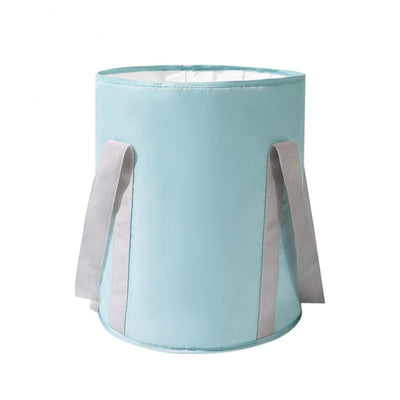
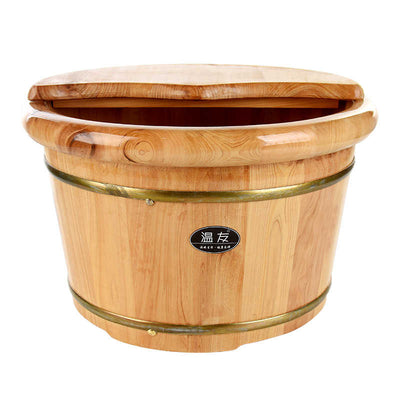
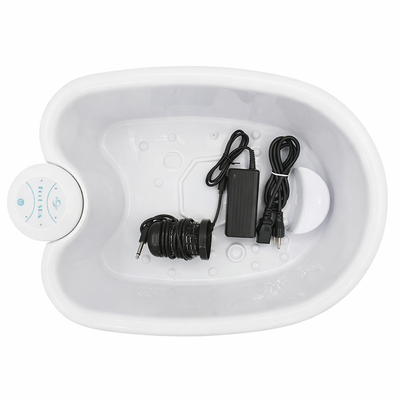
Choose a basin that is easy to clean to avoid recurrence. The material—plastic, ceramic, or well-dried wood—matters less than its depth, which must allow the feet to be completely submerged. Our range of foot bath basins covers the main formats.
- Collapsible plastic tubs: lightweight, they retain heat well and are easy to store.
- Wooden basin: aesthetic, it must be perfectly dried after each use.
- Nodular models: practical for a foot massage and gentle exfoliation.
After each bath, clean the basin with hot soapy water, then disinfect it with a mixture of water and vinegar. Never let moisture stagnate.
Associated accessories and practices
- Soft brush: gently remove impurities to better apply the product.
- Dedicated towel: use a clean cloth and dry thoroughly, especially between the toes.
- Cotton socks: they absorb sweat and keep the foot dry.
- Absorbent powder: apply before putting on your socks to limit humidity.
After the bath, carefully wipe each foot, then apply your cream or treatment polish to the affected areas.
Preventing recurrence
To avoid the return of the fungus, adopt impeccable hygiene: clean cotton socks every day, change shoes regularly, and choose breathable models. Never share your towels, basins, or socks.
Frequently Asked Questions
How do I do a foot bath for fungus?
Use a basin filled with lukewarm water and add four tablespoons of baking soda. You can also add vinegar or a few drops of previously diluted essential oils.
Submerge your feet for fifteen minutes, then dry them thoroughly, especially between the toes. This natural treatment complements medical treatment but is not enough on its own to fight a persistent fungal infection.
Does white vinegar work on fungus?
Thanks to its acidity, white vinegar makes the environment less favorable to yeasts and fungi. By rebalancing the skin's pH, it limits the spread of the fungus.
To use it, dilute it in lukewarm water. This method supports medical treatment without irritating the skin.
What is the best natural recipe for foot fungus?
The simplest remains the baking soda foot bath. This natural remedy sanitizes, soothes itching, and creates a hostile environment for the fungus.
To avoid recurrence, rigorous hygiene is essential. Always combine this method with a prescribed antifungal treatment.
The foot bath is a comfort treatment. It does not replace medical advice or treatment: an established fungal infection requires care by a healthcare professional.